

How to Make a Large Room Feel Cozy and Comfortable
A large room can be a wonderful thing, but when the proportions aren't right, all that extra space can leave a room feeling surprisingly cold or disconnected.
The good news is that you don't need to fill every corner to make a large room feel more comfortable.
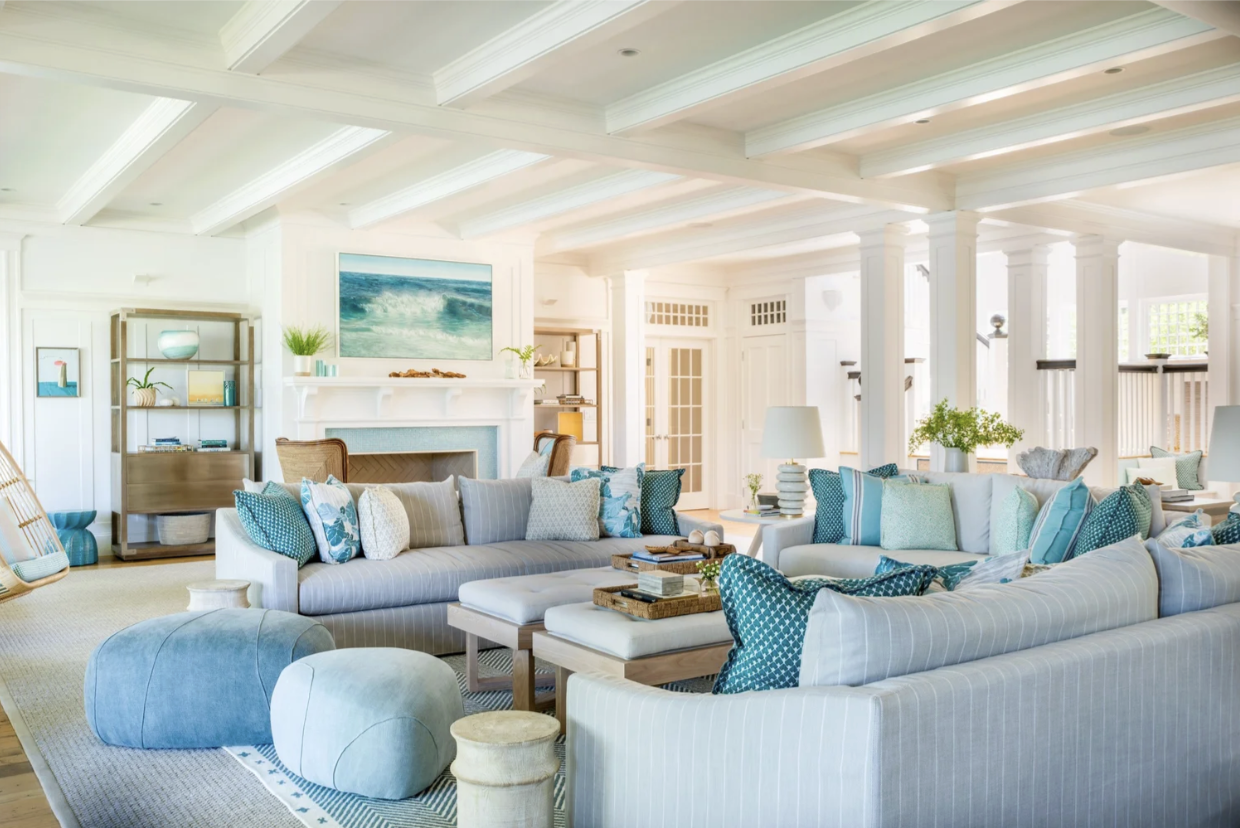
The key is creating a sense of balance through furniture placement, scale, lighting, texture, and thoughtful zones that support the way you actually live.
Here are a few of the ways we approach large rooms in our interior design projects.
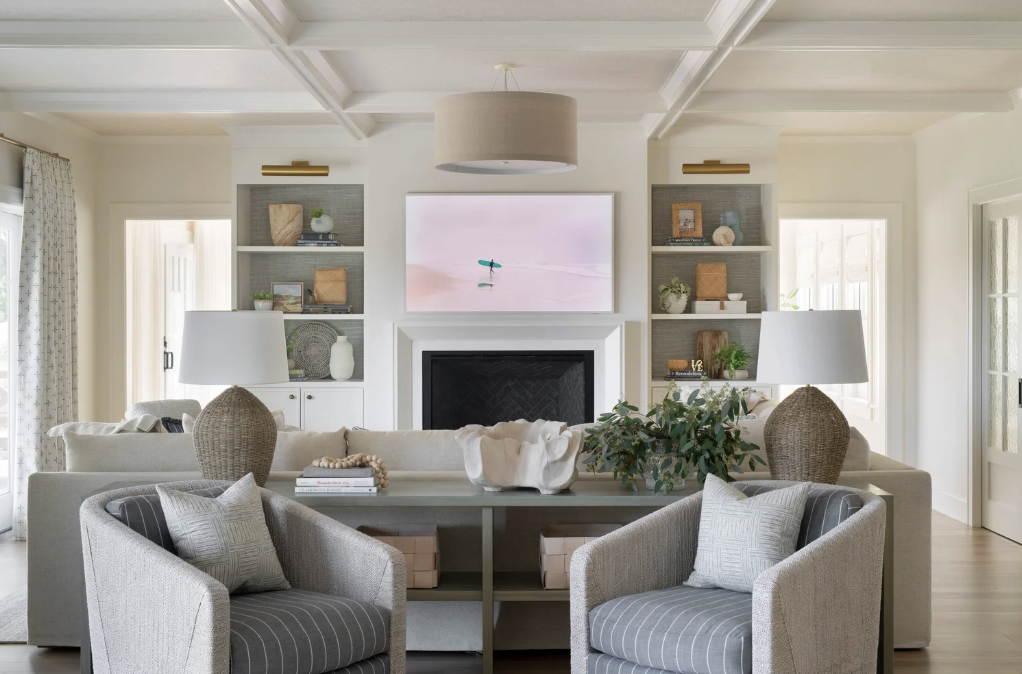
1. Start With How You Use the Room
Before choosing furniture, think about what you want the room to do.
Does it need to work for everyday family life? Hosting friends? Quiet mornings with coffee? Movie nights? A little bit of everything?
Once you know how you want to use the space, you can start creating furniture groupings around those activities instead of trying to fill the room simply because you have the square footage.
For example, a large living room might have a main seating area around the fireplace, with a pair of chairs and a small table creating a separate spot for conversation. Another corner might become a reading area or a place to enjoy a drink with guests.
If entertaining is a priority, our guide to 8 Ways to Design a Home That Works for Entertaining can help you think through the details that make a home easier and more enjoyable to use.
2. Choose Furniture That Fits the Scale of the Room
One of the most common problems we see in large rooms is furniture that's simply too small for the space.
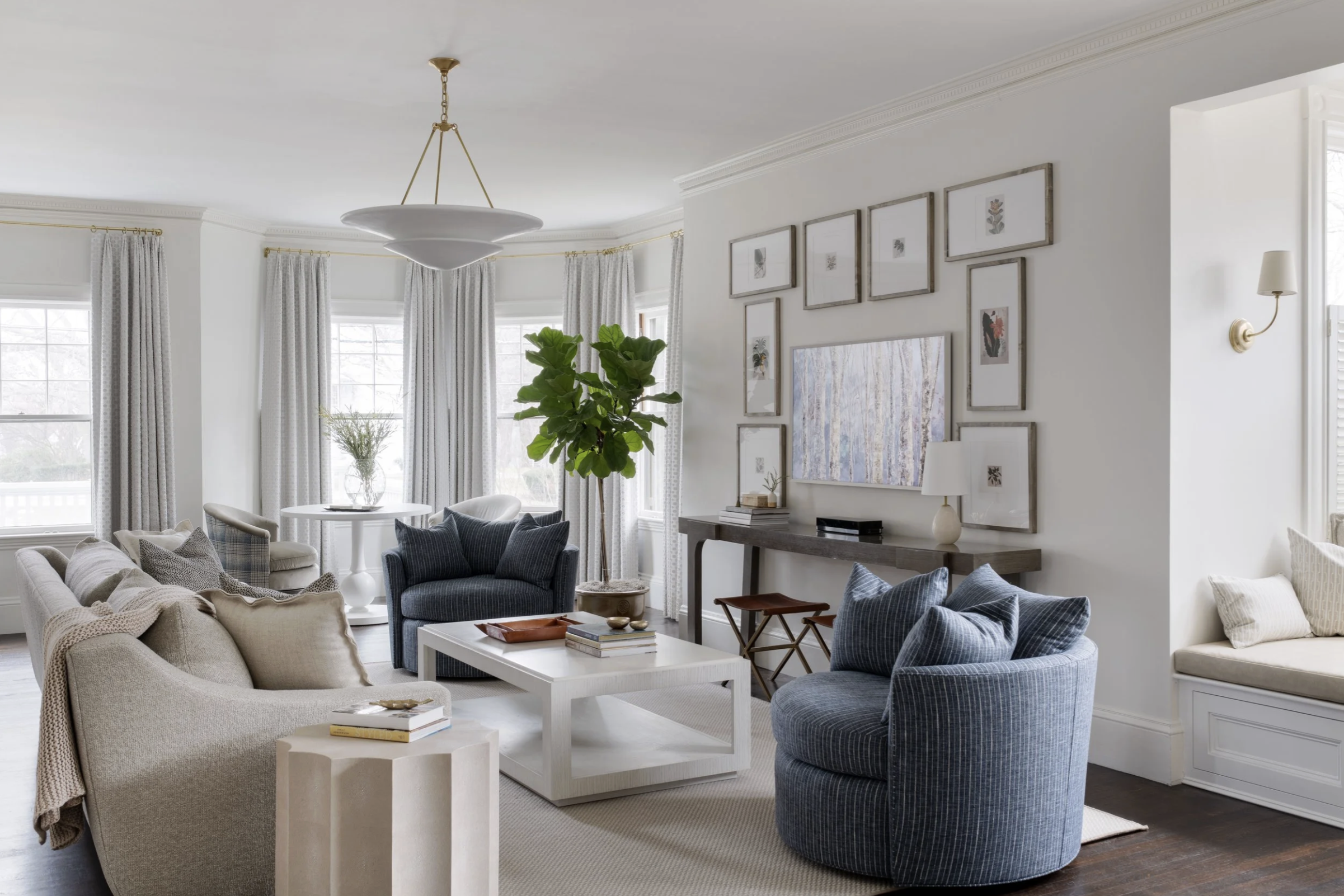
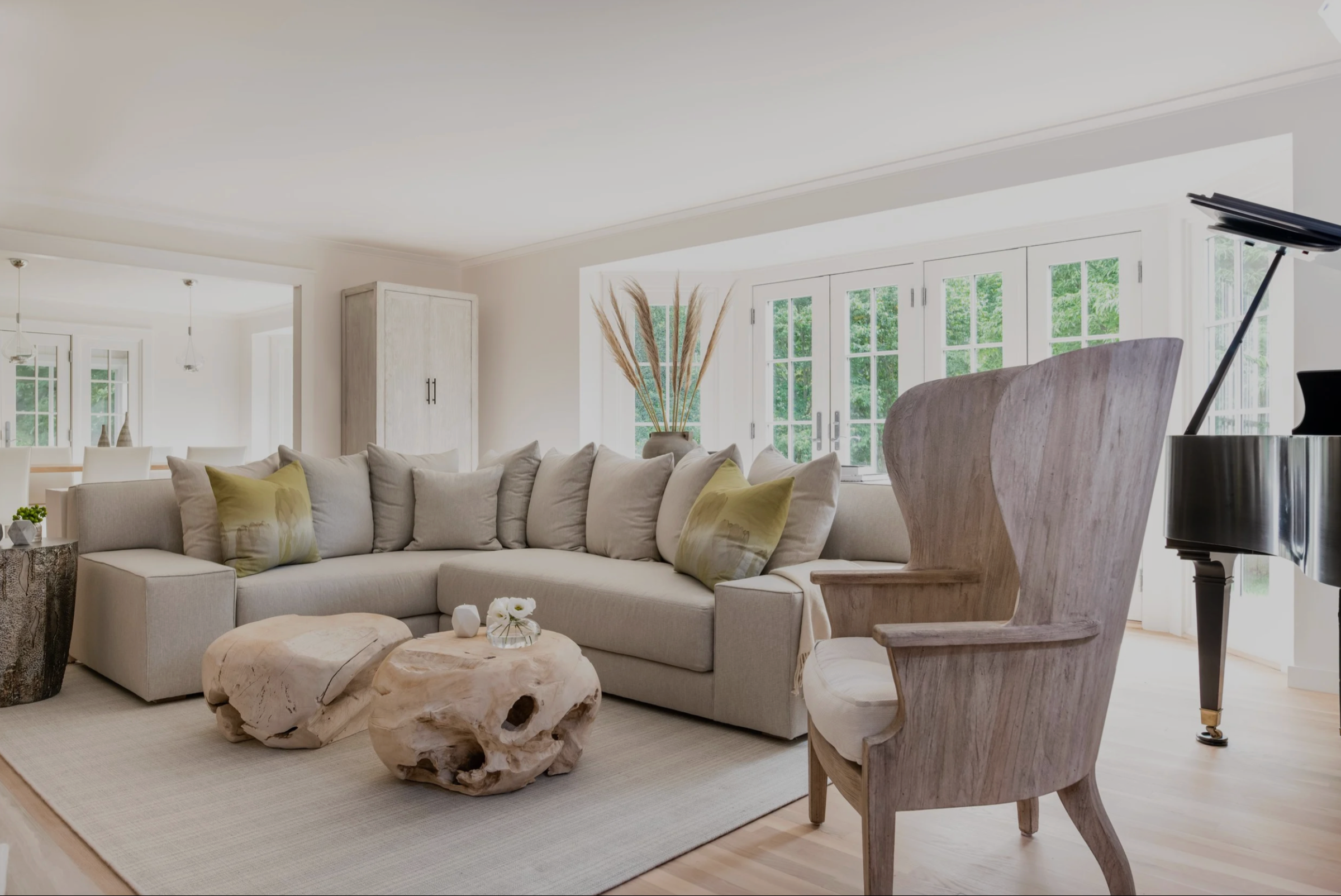
A small sofa floating in the middle of a generously sized living room can make everything around it feel disconnected. Instead, look at the proportions of the room when selecting your major pieces.
That might mean a deeper sofa, generously sized chairs, a substantial coffee table, or a larger piece of artwork. Not everything needs to be oversized. The goal is for each piece to feel appropriately scaled to the room and to the pieces around it.
Scale is one of those details that can completely change how comfortable a room feels.
3. Use Rugs to Define the Space
A large room often benefits from having its different areas clearly defined, and rugs are one of the easiest ways to do that.
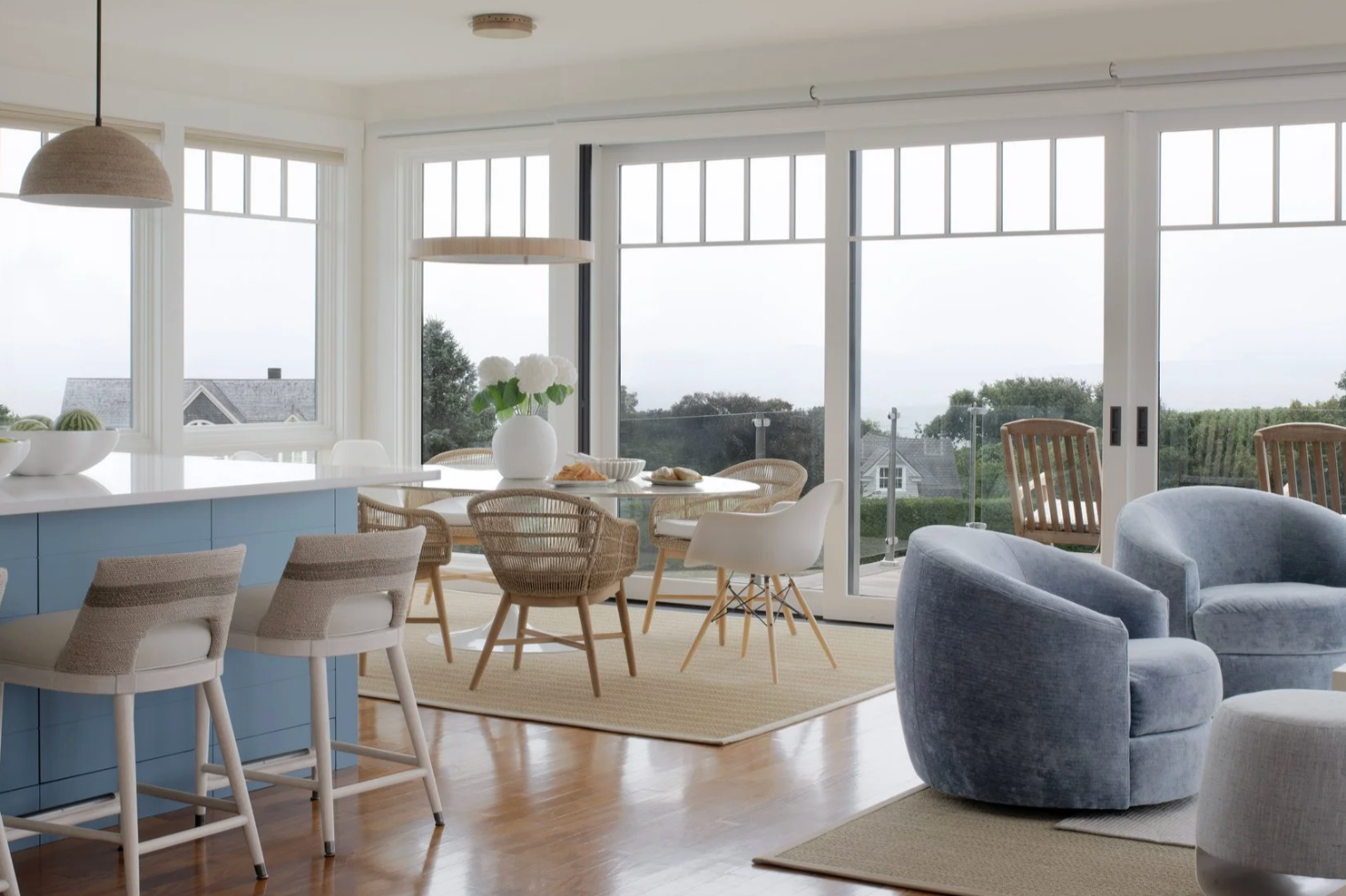
In a seating area, choose a rug that's large enough to connect the sofa, chairs, and coffee table rather than leaving the rug floating underneath the coffee table alone. This creates a visual boundary around the conversation area and makes the furniture feel more connected.
If you have a particularly large open room, you can also use multiple rugs to establish separate zones while keeping the overall design cohesive.
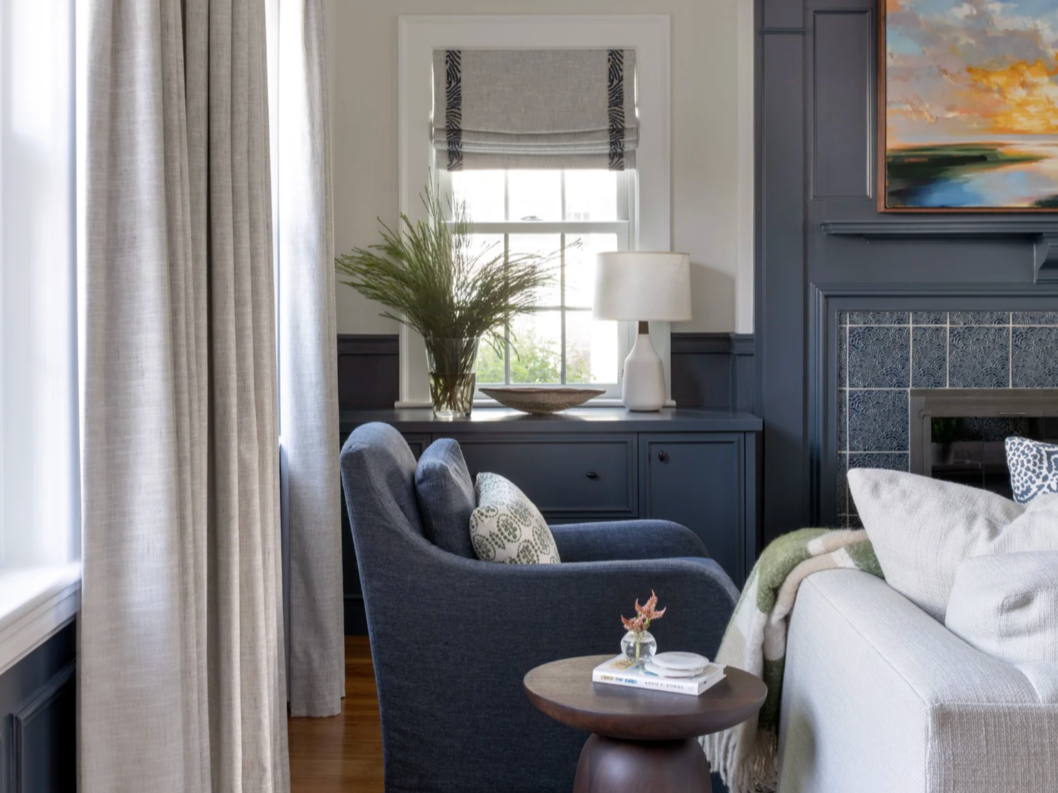
4. Don't Push Everything Against the Walls
There can be a tendency to push furniture against the walls simply because there's so much space to work with.
Instead, try bringing your furniture into the room and creating a more intentional arrangement.
A sofa doesn't need to touch the wall. Two chairs can face each other rather than facing the television. A console can sit behind a sofa and help define the edge of a seating area.
The goal is to create arrangements that encourage conversation and make the room feel connected. You still want comfortable walkways, of course, but a little breathing room between the furniture and the walls can make a big difference.
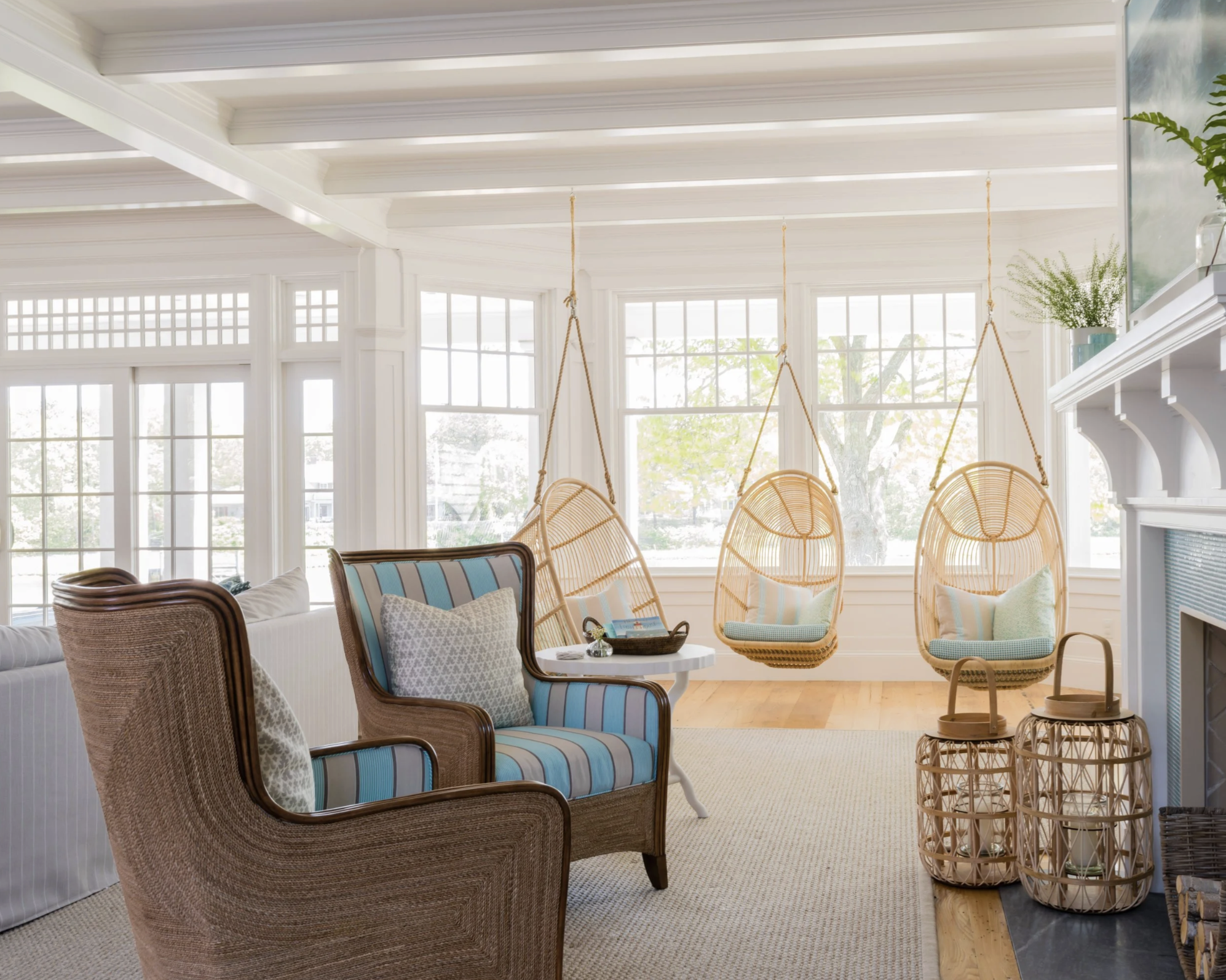
5. Use Color to Connect Different Areas
Color can also help bring a large room together.
Rather than giving every zone its own completely separate color palette, look for colors that can repeat throughout the space.
A shade found in an area rug might appear again in a piece of artwork or upholstery. A wood tone can be repeated in furniture or architectural details.
This creates a visual connection between different areas without requiring everything to match.
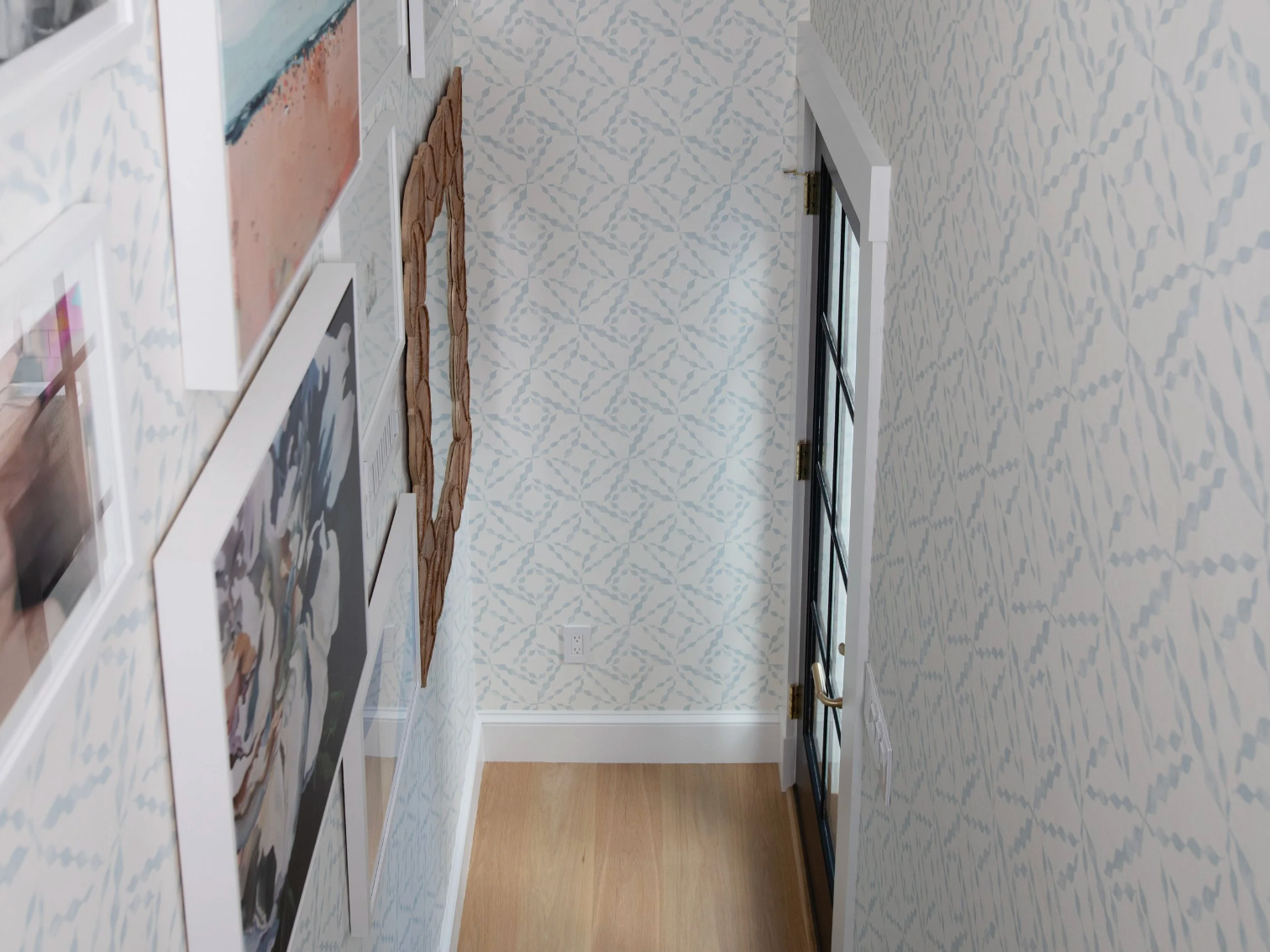
6. Give Large Walls Some Thought
Large rooms often come with large walls, and figuring out what to do with all that wall space can be tricky.
A small piece of artwork can disappear on a generously sized wall. Depending on the room, you might consider a larger-scale piece, a grouping of artwork, a mirror, or architectural details such as millwork.
At the same time, don't feel like every wall needs to be filled.
Some negative space is a good thing. The goal is to create balance and give the eye a few intentional places to land without making the room feel overdecorated.
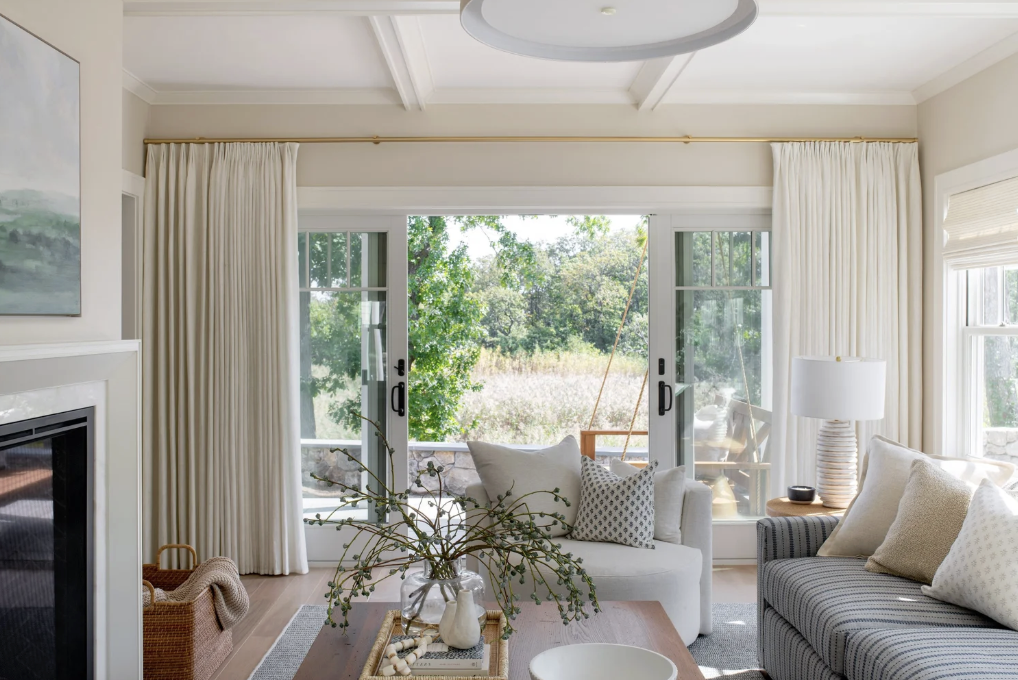
7. Don't Try to Fill Every Corner
This might be the most important one.
When a room feels too empty, the instinct is often to buy more furniture or accessories. But filling every available space can quickly make a large room feel crowded rather than comfortable.
Instead, step back and look at the room as a whole.
Are the furniture groupings clear? Can people move comfortably through the space? Does each piece serve a purpose? Are there areas that could simply remain open?
A large room needs breathing room, too.
If you're unsure whether a space feels empty or simply needs better planning, our guide to The Most Common Interior Design Mistakes We See and How to Avoid Them is a helpful place to start.
The Bottom Line
Making a large room feel more comfortable isn't about filling it with more things. It's about creating a thoughtful relationship between the furniture, architecture, and the people who will use the space.
Start with how you want to live in the room. Choose furniture that's appropriately scaled, use rugs and lighting to define different areas, bring in texture and color, and leave enough open space for everything to breathe.
The result should feel spacious without feeling empty, and comfortable without feeling overdone.
If you’re struggling with how to make a large living room or open space work for your lifestyle, sometimes the solution isn’t more furniture. It's a better plan for the space.
Frequently Asked Questions
How do you make a large living room feel cozy and intimate?
Start by creating defined furniture groupings, choosing pieces that suit the scale of the room, and using rugs and lighting to anchor each area. Texture, window treatments, and a cohesive color palette can also make a large room feel more inviting.
How should furniture be arranged in a large living room?
Begin with how you want to use the room, then create one or more furniture groupings around natural focal points such as a fireplace, artwork, or architectural feature. Avoid automatically pushing every piece against the walls.
What size rug works best in a large living room?
Choose a rug that is large enough to visually connect the main furniture pieces. A rug that's too small can make a large seating area feel disconnected. In particularly large rooms, multiple rugs can help define separate functional zones.
At Justine Sterling Design, we start with how you live, then design around it.
Maybe your family is growing and you need more room to gather, you're downsizing and want to make the most of a smaller footprint, your workspace needs to function better, or you're finally ready to create an entertaining space that works for hosting. Whatever the stage of life, thoughtful design can help your home support it beautifully.
If you're in the Boston North Shore and ready to create a home that works better for you, we would love to help.
Until next time,
Justine