

The Most Common Interior Design Mistakes We See and How to Avoid Them
When we walk into a home, the best ones tell a story. Every sofa, rug, and light fixture works together to create a sense of balance and ease. The rooms that fall short? They’re often tripped up by design mistakes that are easy to miss—but easy to fix.
After years of working on residential projects, we see the same challenges arise again and again. These are the most common interior design mistakes we see, along with interior design tips to help you avoid them.

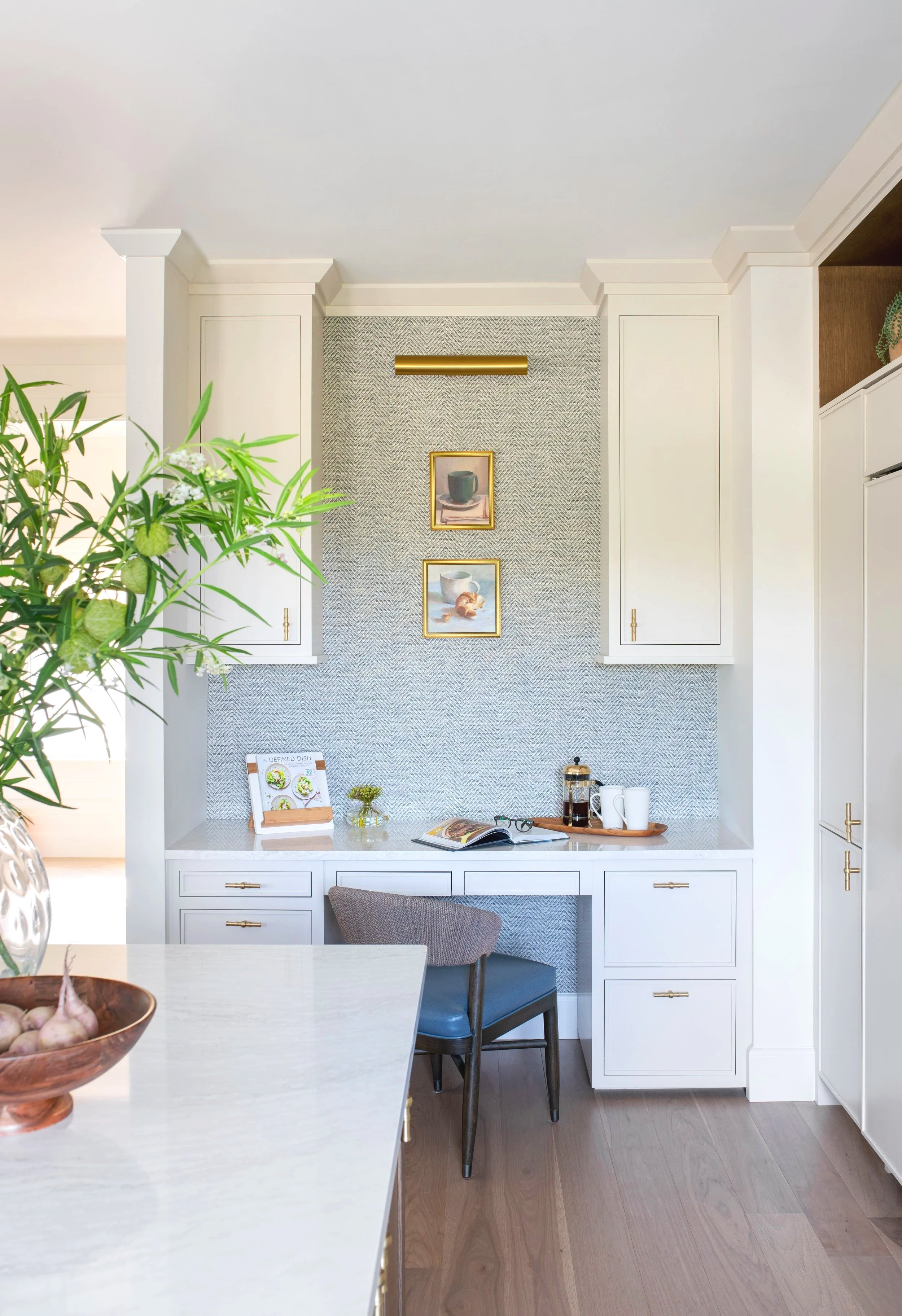
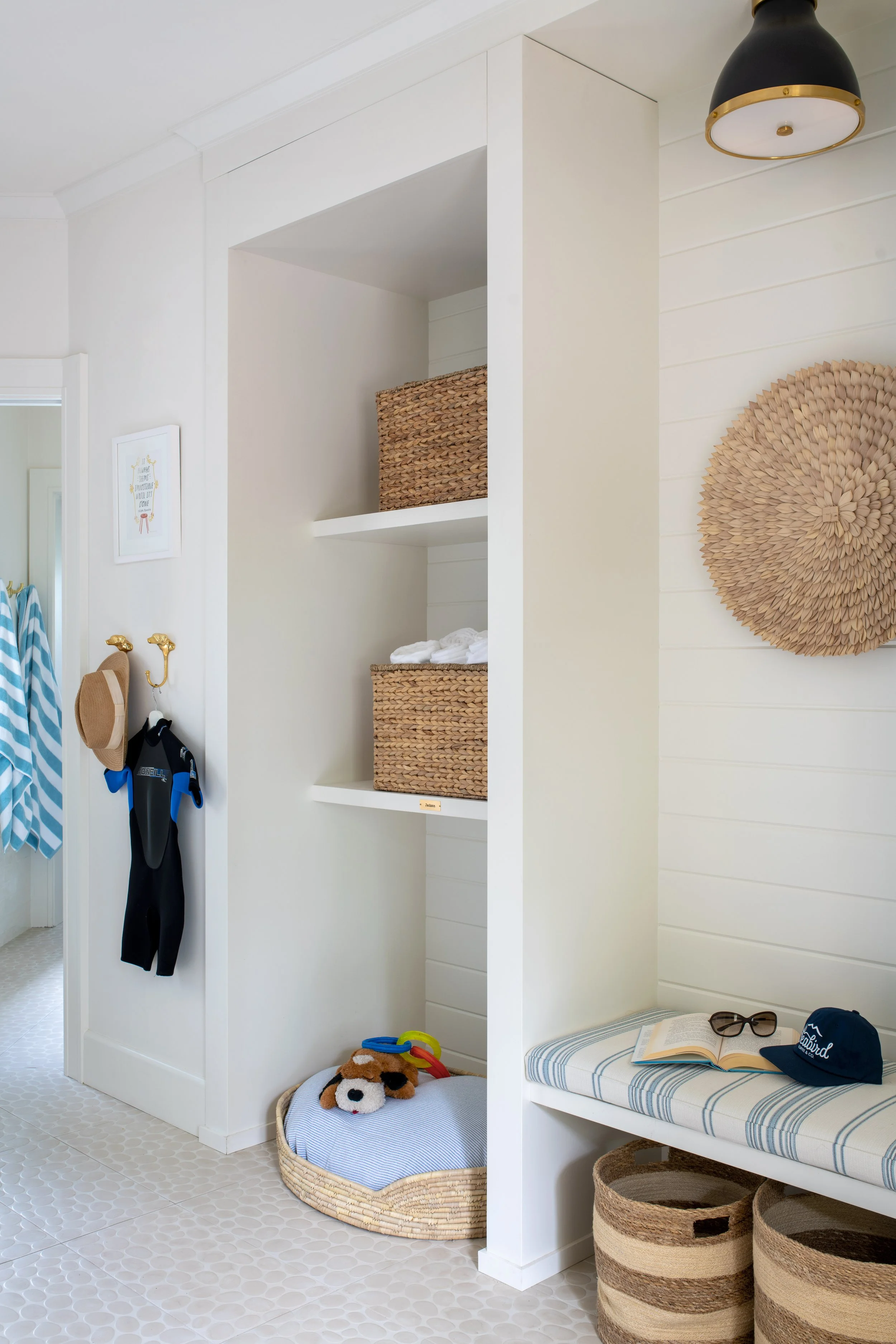
Project Coastal Dream Home – A thoughtfully elevated coastal new construction, where a once-standard 5,000-square-foot spec home was reimagined into a fully custom family retreat. Interior Design & Styling: Justine Sterling Design. Photographer: Jessica Delaney.
1. Choosing Furniture That Is Too Small for the Space
One of the most frequent interior design mistakes is furniture that is underscaled for the room. Sofas that float in large living rooms, rugs that barely fit under a coffee table, or nightstands that feel lost next to a bed can make a space feel unfinished.
Scale and proportion are essential to space planning in interior design, and they go beyond just furniture size. Oversized art, rugs that are too small, and light fixtures that do not fit the space can also throw off the balance.
HOW TO AVOID IT:
Measure both your room and furniture before purchasing
Map furniture layouts with painter’s tape
Anchor larger rooms with appropriately sized rugs and seating
When in doubt, go slightly larger
Picking furniture in the right proportion makes a room feel comfortable and thoughtfully put together.
2. Overlooking How Finishes Work Together
Selecting materials one at a time without seeing how they interact is a subtle but impactful mistake. Flooring, countertops, cabinetry, hardware, and paint all need to complement each other to create a cohesive space.
If finishes are picked separately, undertones can clash and materials can feel disconnected, which often leads to a home that feels less polished than intended.
HOW TO AVOID IT:
Establish a clear material palette early in the process
Compare finishes side by side before finalizing selections
Pay attention to undertones in wood, stone, and metals
Consider how finishes transition from space to space
This approach helps prevent decorating mistakes that date your home and supports a more timeless result.
3. Ignoring Layout and Real-Life Function
Even beautiful furniture and finishes can fall flat if the layout does not support how the room is actually used. Poor circulation paths, awkward seating arrangements, or furniture blocking natural flow can make a space uncomfortable and less inviting.
Common examples include living rooms with nowhere to set drinks, bedrooms without proper bedside lighting, or dining rooms that do not comfortably accommodate guests. Designing a room solely around style or trends can result in pieces that look perfect in the moment but feel impractical over time.
HOW TO AVOID IT:
Observe how you and your family actually use each room every day
Prioritize circulation and clear pathways
Balance aesthetics with practical needs
Invest in furniture and finishes that are both functional and timeless rather than following short-lived trends
Incorporate flexible elements, like modular sofas, extendable dining tables, or adjustable shelving, that can adapt as your lifestyle changes.
By focusing on both layout and real-life function, your home will feel polished, practical, and enduring. This ensures your furniture, finishes, and layouts continue to serve you for years.
4. Skipping Layering and Thoughtful Details
It’s often the small, intentional touches that elevate a room from good to great.
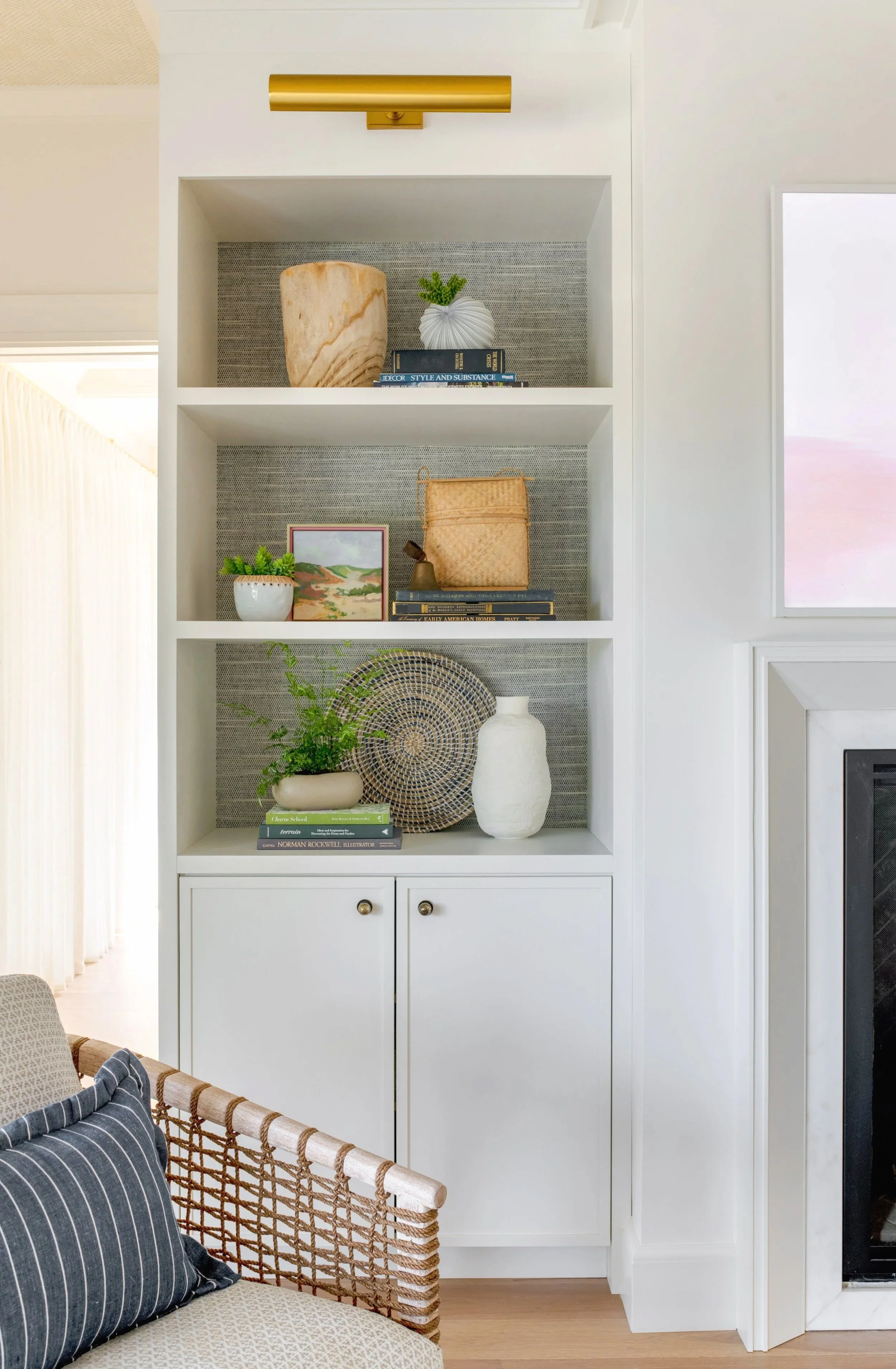
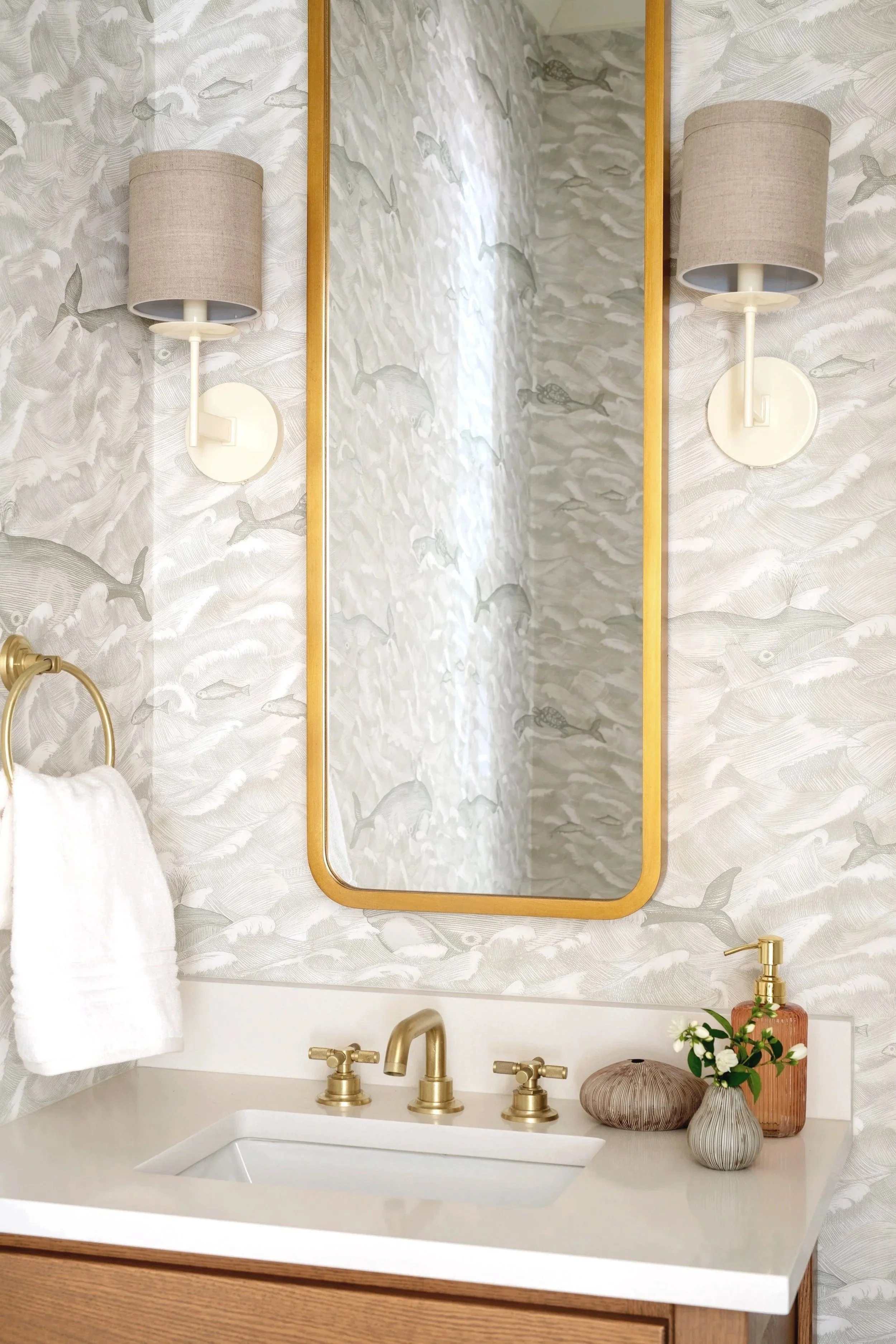
Without layering, a room can feel flat even with beautiful furniture. Adding details like a patterned area rug, textured throw pillows, brass or gold cabinet hardware, statement light fixtures, custom window trim, built-in shelving accents, or wallpaper on a feature wall turns ordinary spaces into ones that feel curated, polished, and full of character.
HOW TO AVOID IT:
Mix old and new elements to create depth and personality
Layer textures, patterns, and finishes thoughtfully
Incorporate small details that reflect your personal style and complement existing pieces
Allow room for evolution so the space can adapt over time
By combining intentional layering with thoughtful decorative details, your home will feel polished, dynamic, and timeless without requiring a full renovation. Small, considered choices create a big impact and make each room feel complete.

This coastal home is defined by intentional layering where texture, material, and pattern work together to create depth and warmth. Interior Design & Styling: Justine Sterling Design. Photographer: Jessica Delaney.
What Makes a House Look Cheap Even When It Is Not
A house can look fine at first glance, but the details often tell a different story. An undersized sofa in a large living room, countertops that clash, or a layout that interrupts the natural flow can make even a beautifully furnished space feel disconnected.
The key to a home that feels lived-in and timeless is thoughtful design, layered textures and finishes, and attention to how the space is actually used. With these intentional choices, a home comes together in a way that feels effortless and inviting.
Why Professional Guidance Matters
Bringing in an interior designer at the right time can prevent many of the common design mistakes we’ve highlighted.
A professional can help you plan layouts that support how you live, select finishes and furnishings that work together, and add the thoughtful details that elevate a space from ordinary to exceptional. If you’re considering whether to hire an interior designer near you, professional guidance can help prevent design mistakes and ensure every decision works together.
For homeowners in the Greater Boston area or anyone planning a home in New England, we’d love to guide you through our design process at Justine Sterling Design and make sure that your home flows effortlessly, looks polished, and fits the way you live.
When you’re ready, send in your inquiry and schedule a free discovery call with us!
Until next time,
Justine