

A well-designed dining room should feel just as inviting for everyday meals as it does when you're hosting friends and family. Sometimes, the difference comes down to a few thoughtful adjustments rather than a major redesign.
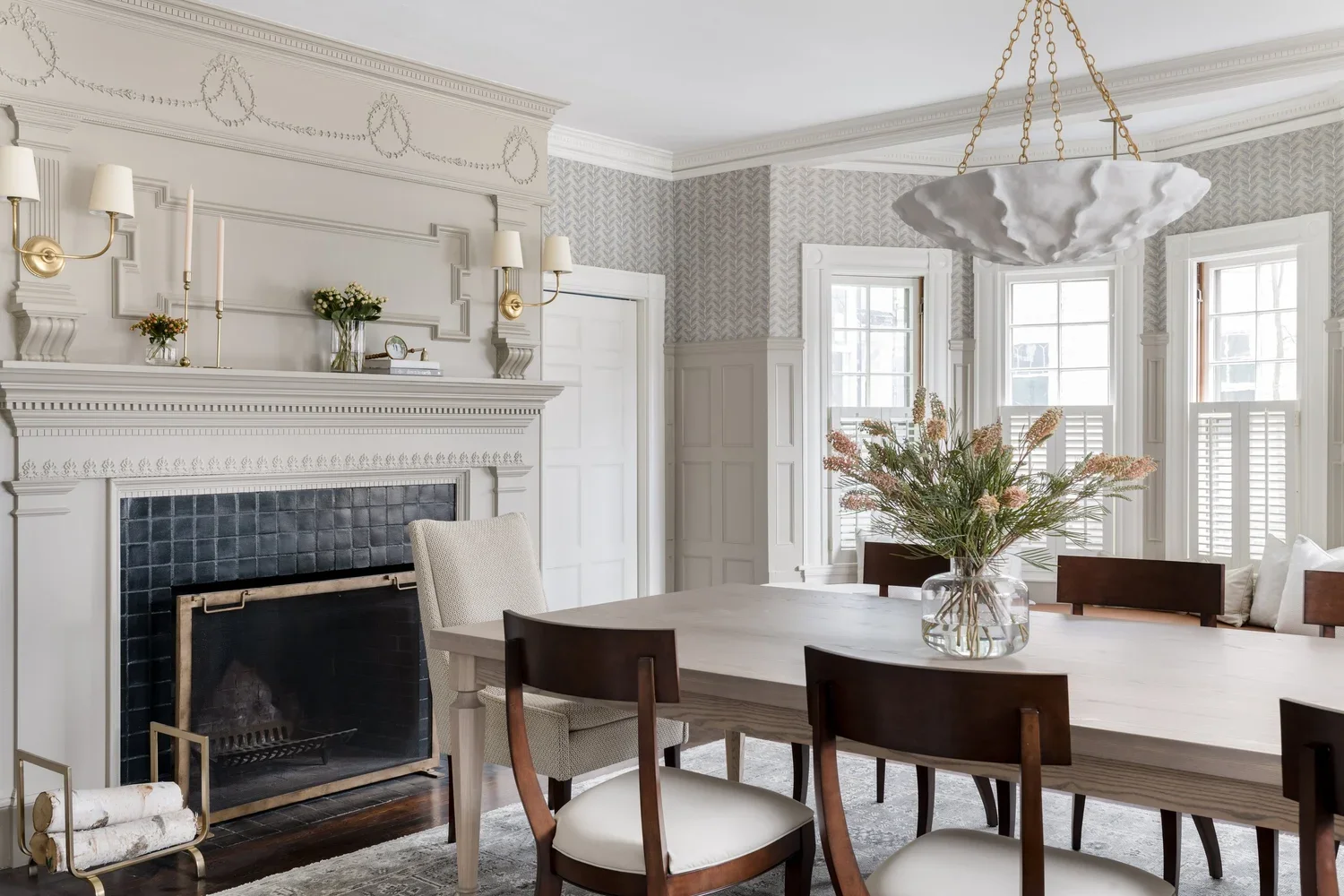
The trick is knowing what to look for. A rug that's slightly too small, a centerpiece that takes up too much room, or lighting that feels harsh after dark can affect how the entire space comes together.
Here in New England, fall brings a change in how we use our homes, with cozy evenings and gatherings around the dining table becoming part of the season.
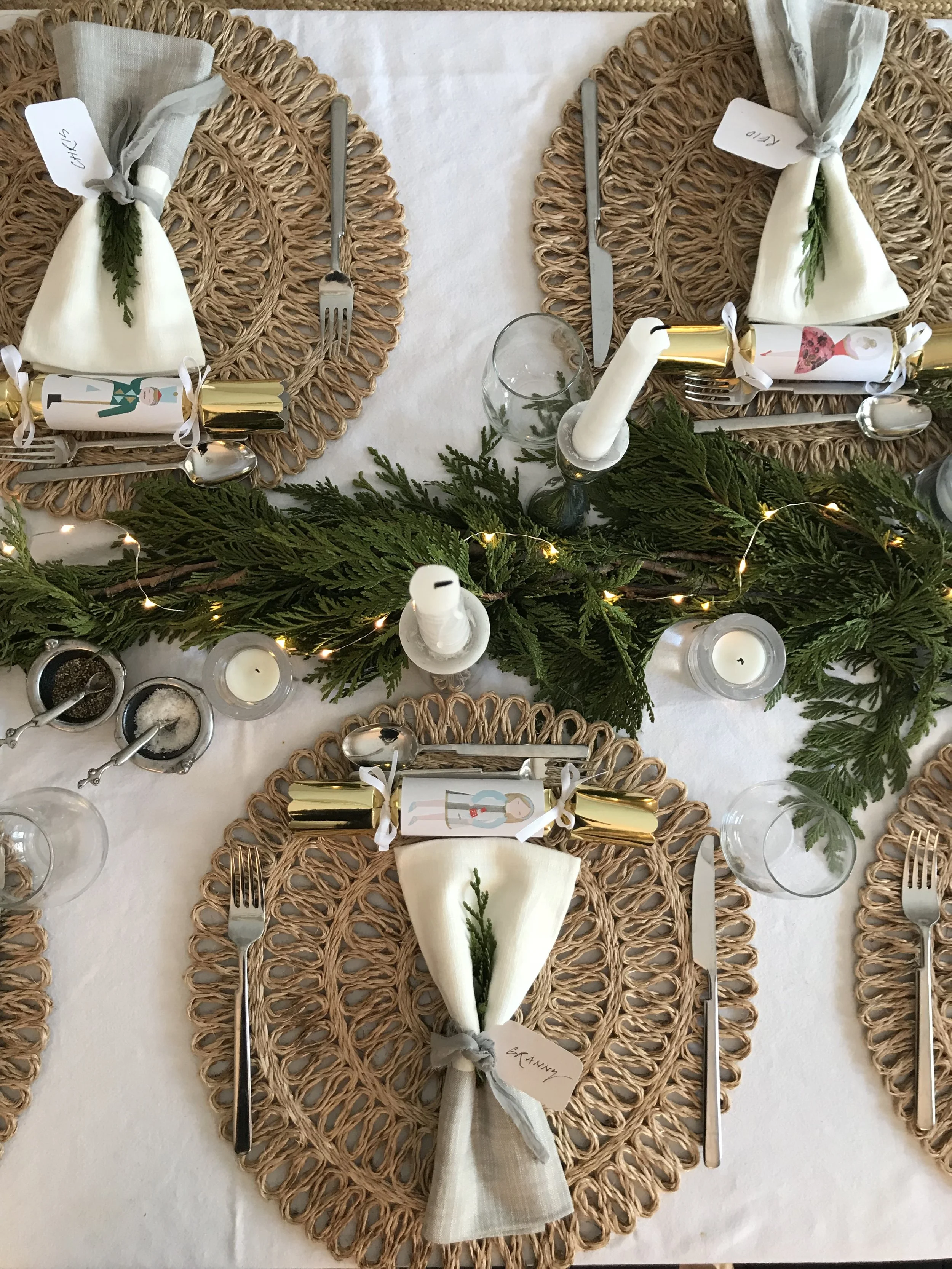

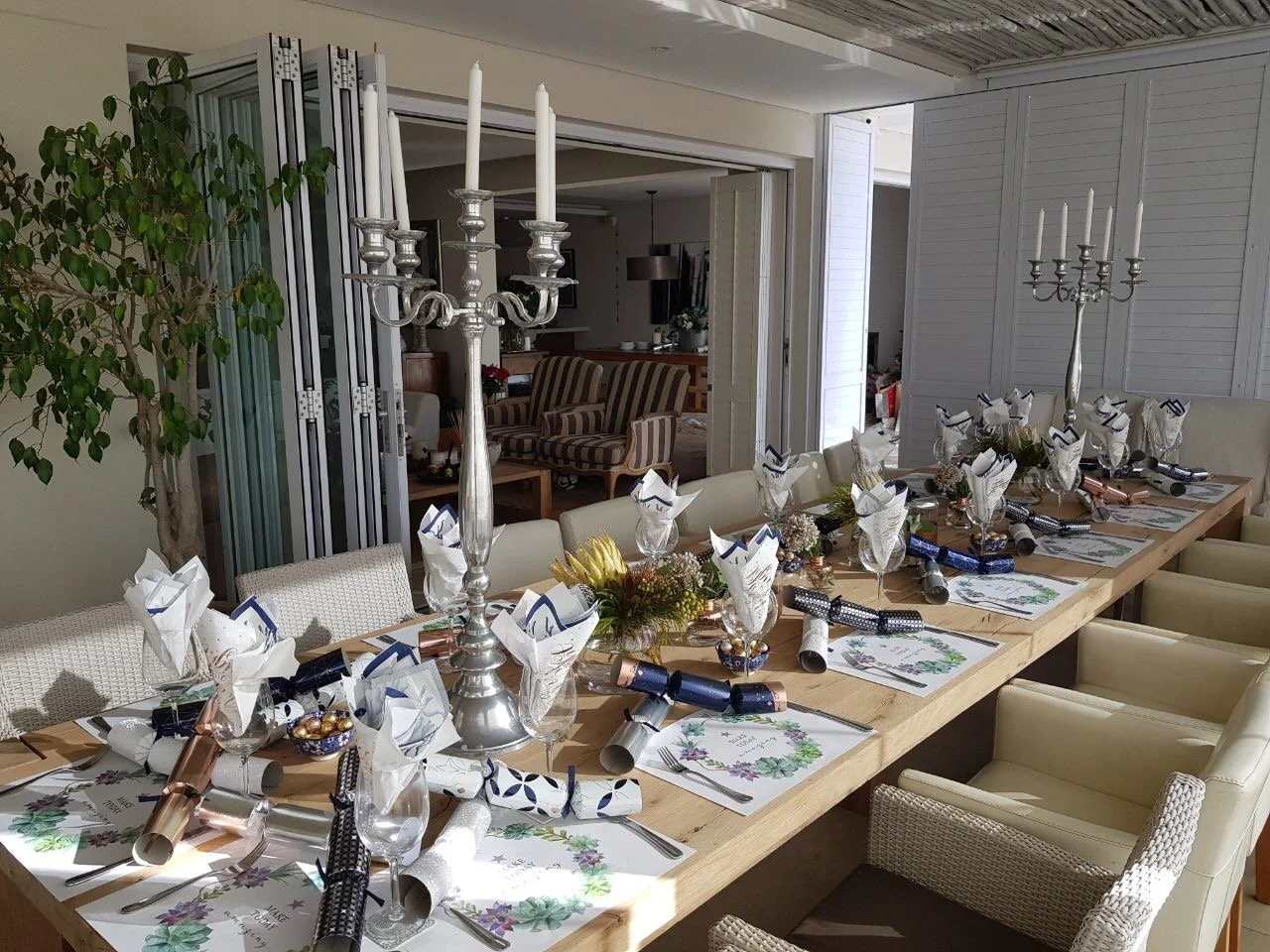

As an interior designer serving Boston North Shore, I always see this time of year as a great opportunity to revisit the details that make a dining room feel both beautiful and comfortable.
Whether you're refreshing your dining room for everyday living, preparing to host a dinner party, or getting your home ready for the holidays, here are practical ways to assess your space and bring it together with a designer's eye.
1. Walk Through Your Dining Room Like a Guest
Before adding decorations, take a few minutes to assess how your dining room looks and functions. Start at the entrance and walk through the space as if you're arriving for dinner.
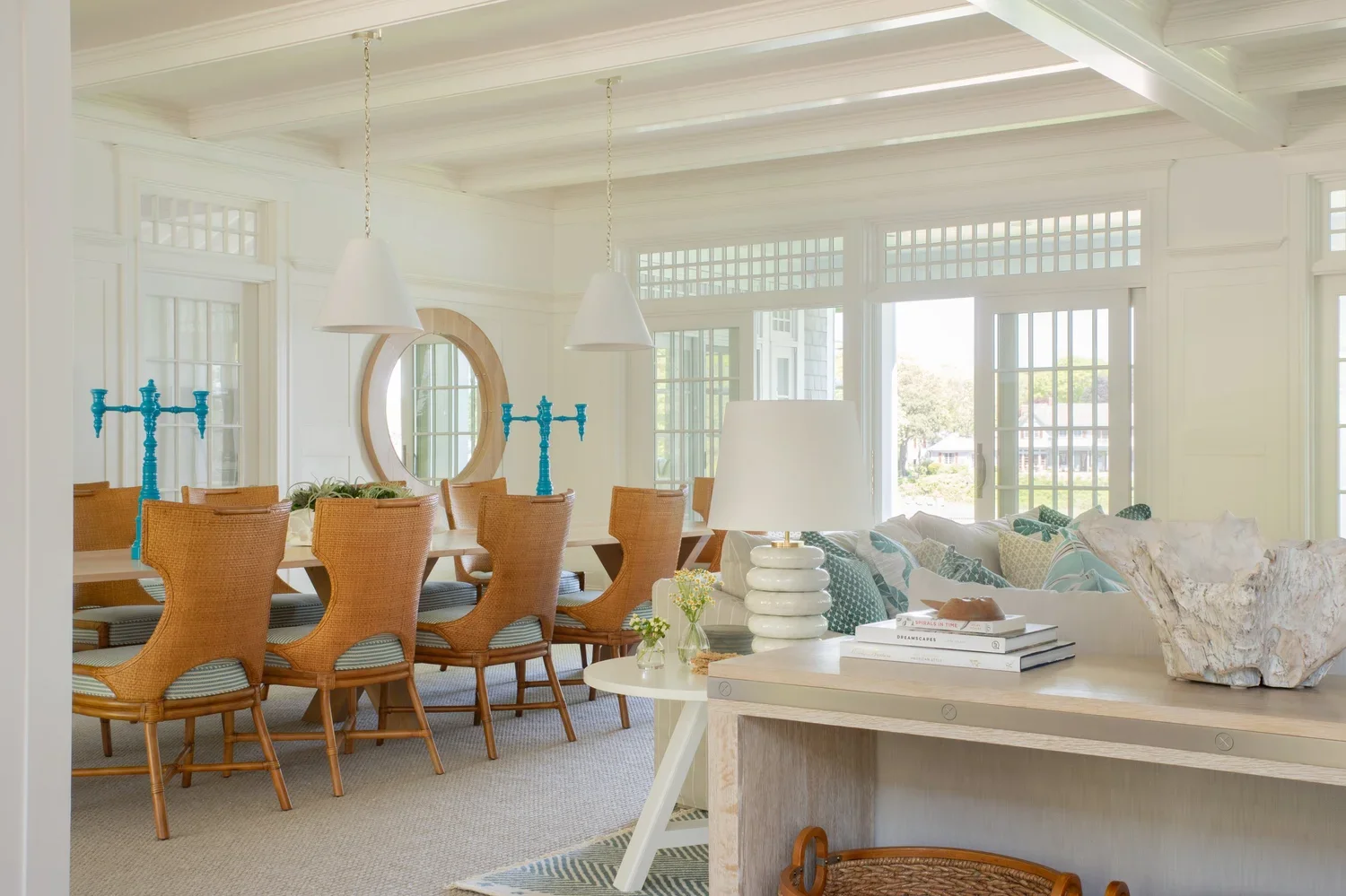
Ask yourself:
Is the path to the table clear?
Check the route between the dining room, kitchen, and other gathering spaces. Move unnecessary furniture or accessories that interrupt the flow.
Can guests sit down comfortably?
Pull out every dining chair and check the space behind it. Around 36 inches of clearance is a useful starting point, although busy walkways may need more.Does the room feel visually balanced?
Look at the dining table alongside the chandelier, artwork, and surrounding furniture. If one area feels noticeably heavier than another, try adjusting the accessories or repositioning smaller pieces.Are there surfaces that have become cluttered?
Clear the sideboard, console, or nearby shelves so the room feels intentional and you have space for serving dishes and drinks.
A designer's perspective often starts with editing rather than adding. You may find that moving a chair, clearing a surface, or removing a few accessories makes more difference than bringing anything new into the room.
2. Check the Scale of Your Rug and Window Treatments
Rugs and window treatments can make a dining room feel finished, but their proportions matter. If something feels slightly off in your space, these are two areas worth reviewing.
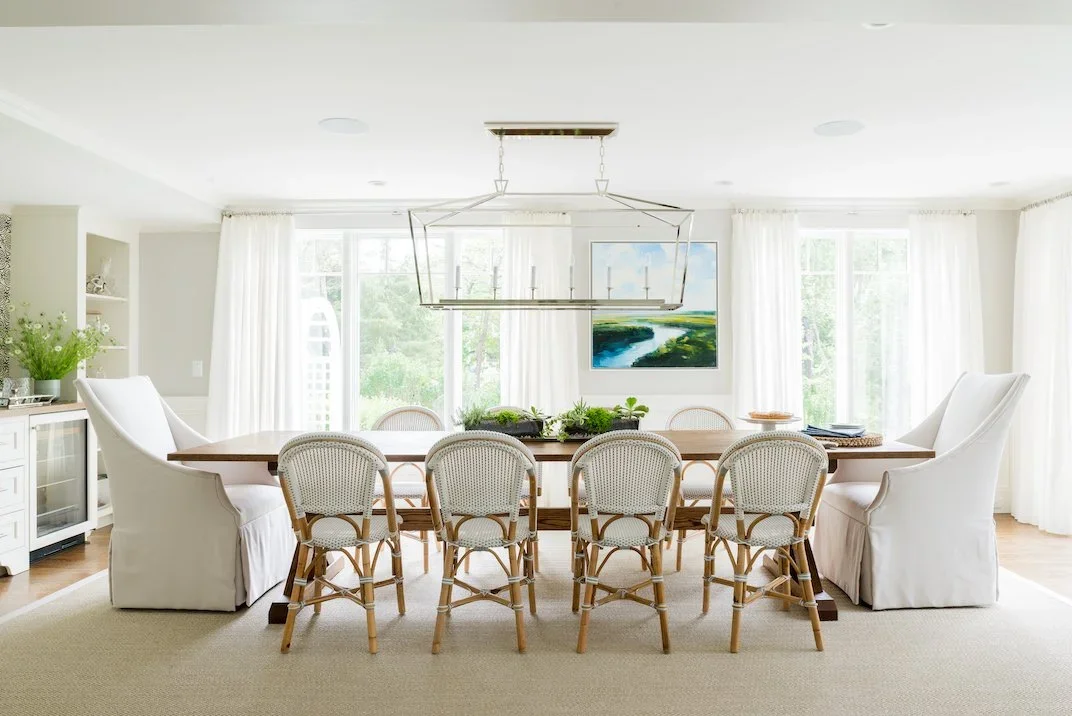
Does your dining rug extend far enough?
A rug under a dining table should accommodate the chairs even when they're pulled out. As a starting point, aim for approximately 24 inches of extra rug beyond each edge of the table, then account for the size of your chairs and the room itself.
Try This at Home:
Pull the chairs out as if guests were seated. Do the back legs remain on the rug, or do they catch on the edge? If the chairs keep slipping off, the rug may be too small for the arrangement.
If replacing the rug isn't practical right now, consider whether it would work better in another room. A properly sized rug can make the dining area feel more grounded, especially in an open-concept space.
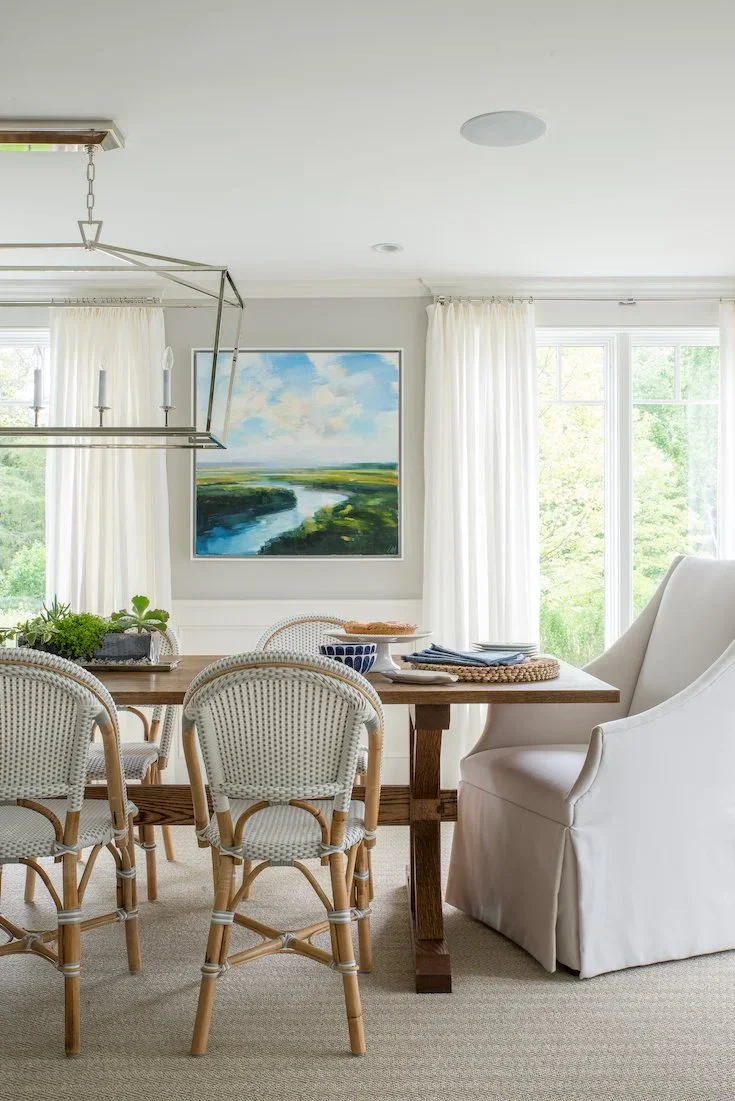
Are your curtains framing the windows properly?
When curtains are pushed open, they should ideally sit beside the window rather than covering a large portion of the glass. Where the wall allows, mounting the rod wider than the window frame can make the window feel more generous and allow more natural light into the room.
Try This at Home:
Open your curtains fully and look at the window from across the room. If the fabric blocks much of the glass or the panels look cramped, adjusting the rod position may improve the proportions.
For a dining room used frequently, also consider how the fabric will hold up to everyday use. Easy-care or performance fabrics can be useful in busy households.
3. Make Your Existing Dining Room Lighting Work Harder
A dining room can look beautiful during the day but feel completely different once the sun goes down. Since holiday gatherings often extends into the evening, it's worth testing your lighting before guests arrive.
Start by turning on the lights after dark and sitting in one of the dining chairs. Notice what you see from a seated position.
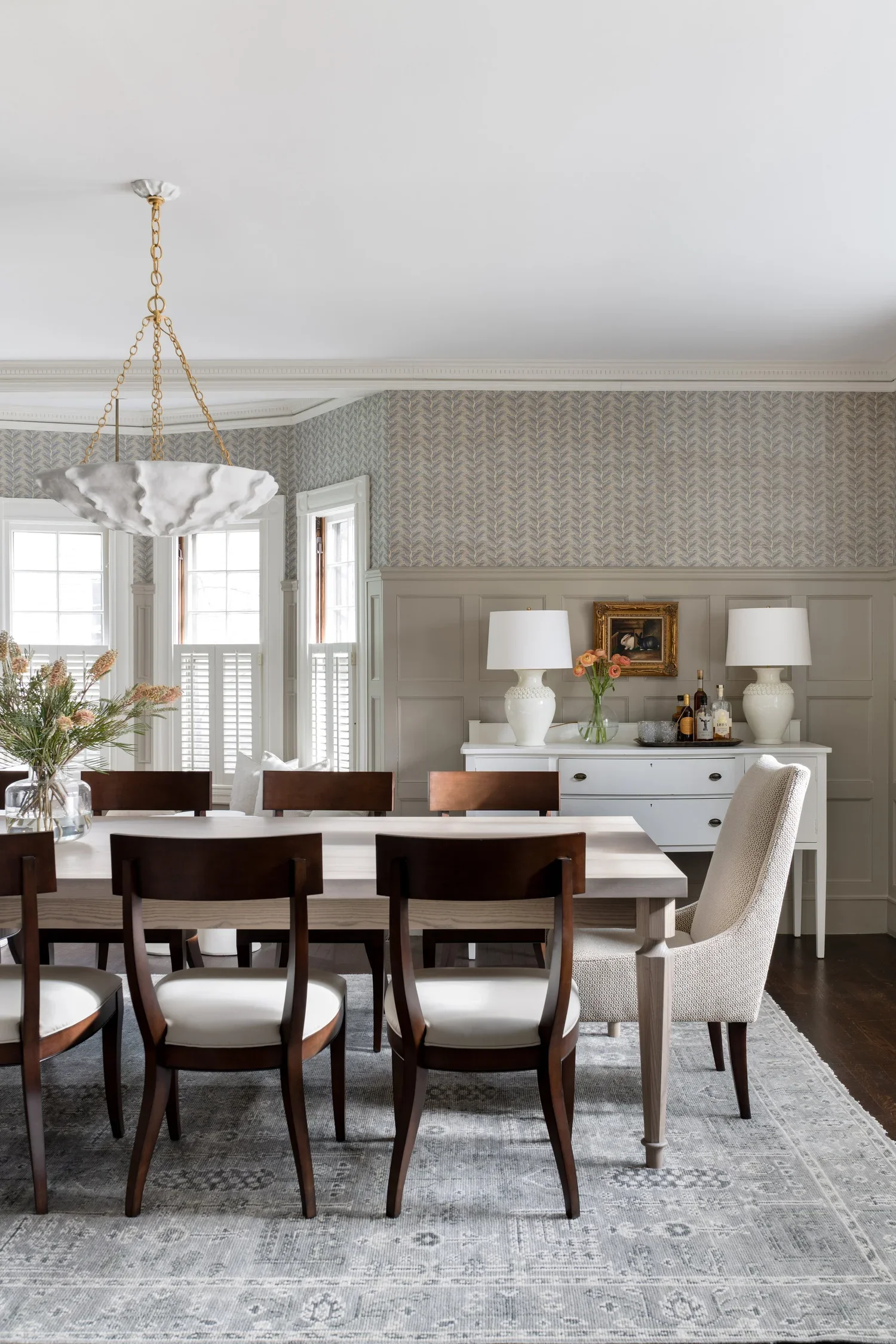
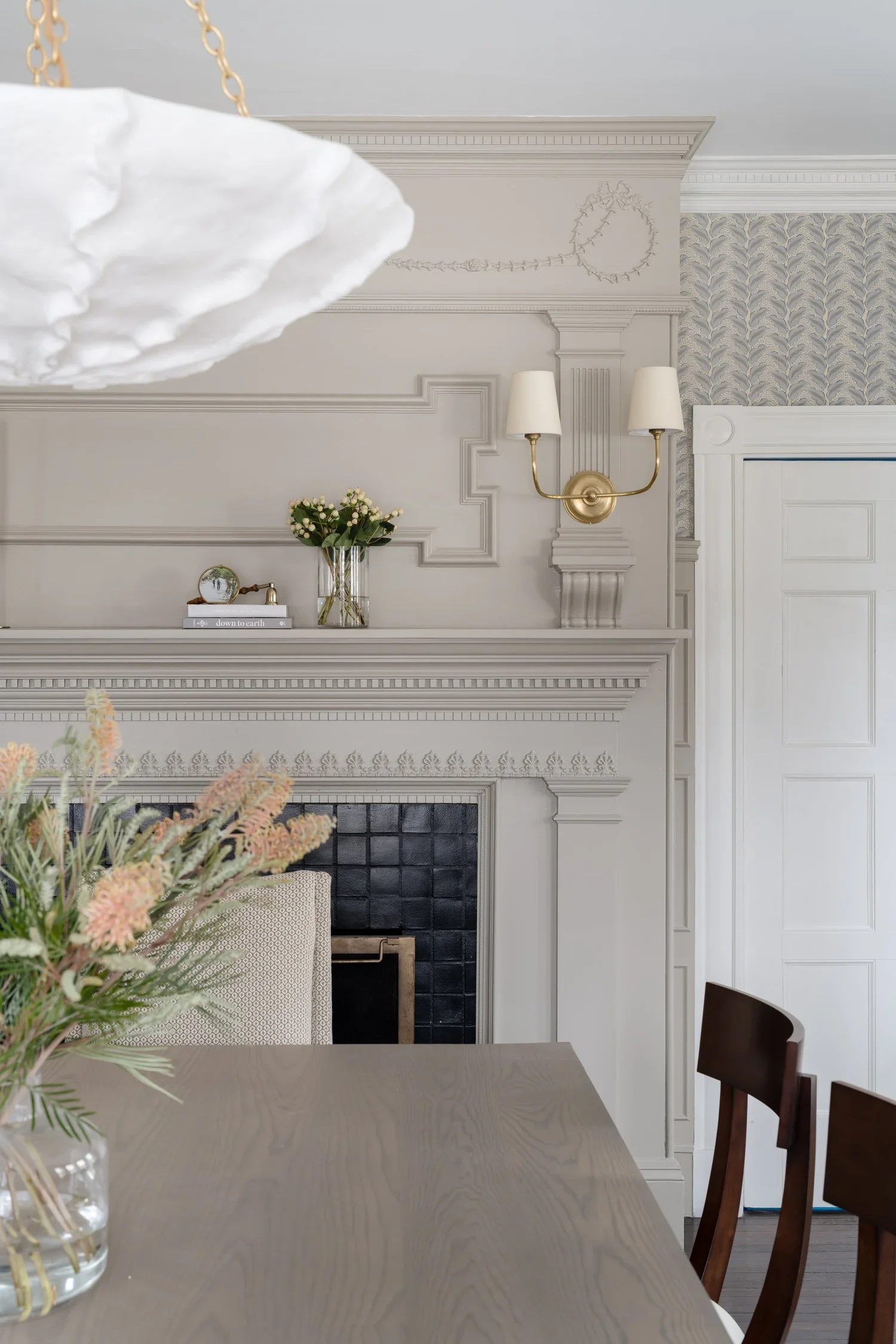
Is the light too harsh?
If your fixture has a dimmer, lower the brightness until the room feels comfortable while remaining bright enough to eat. If you can change the bulbs, warm white light around 2700K is often a good starting point for a relaxed dining atmosphere.
Are exposed bulbs creating glare?
Look toward the fixture from different seats. If the light feels uncomfortable, adjusting the dimmer or using suitable diffused bulbs may help.
Does the rest of the room disappear into darkness?
If the table is brightly lit but the surrounding space feels gloomy, switch on a nearby lamp or wall sconces to create a more balanced effect.
If you're considering a new fixture in the future, its scale and placement should relate to the table rather than simply the center of the room. For now, though, testing your existing lighting and adjusting its intensity can make the dining room feel more inviting without a renovation.
Now that we've covered the layout, lighting, and finishing details, let's move on to the fun part: styling your table with color, texture, and personality!
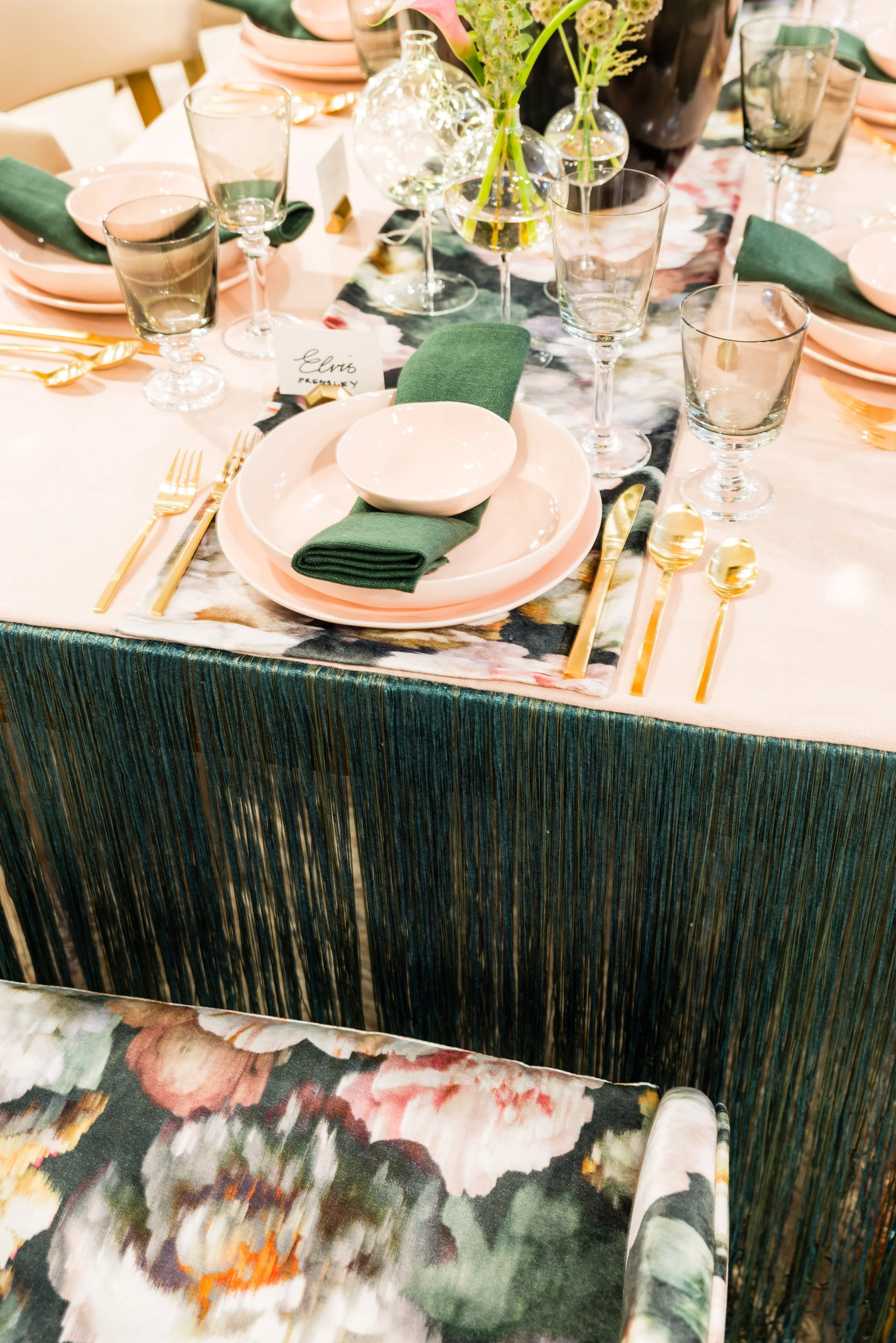
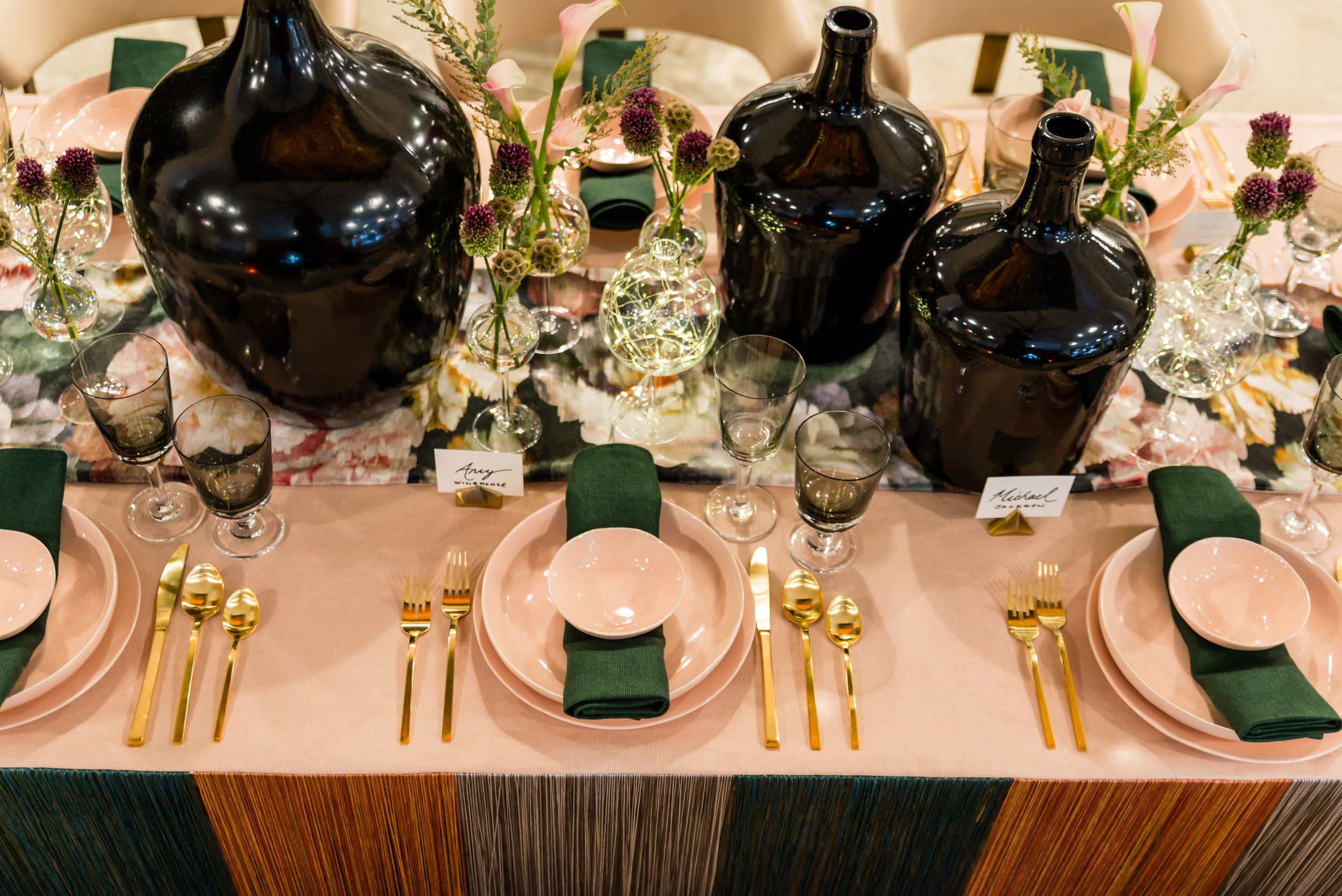
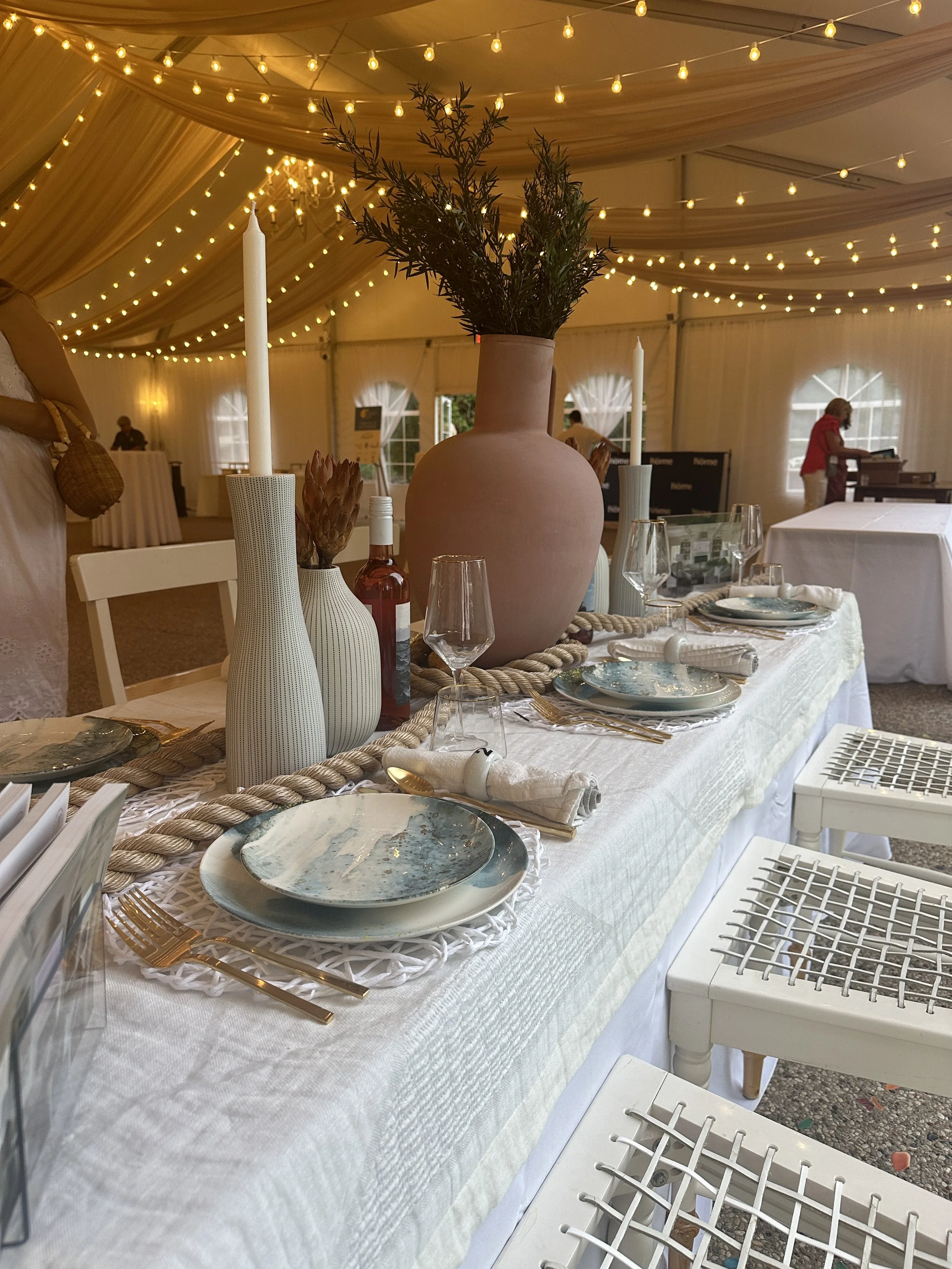
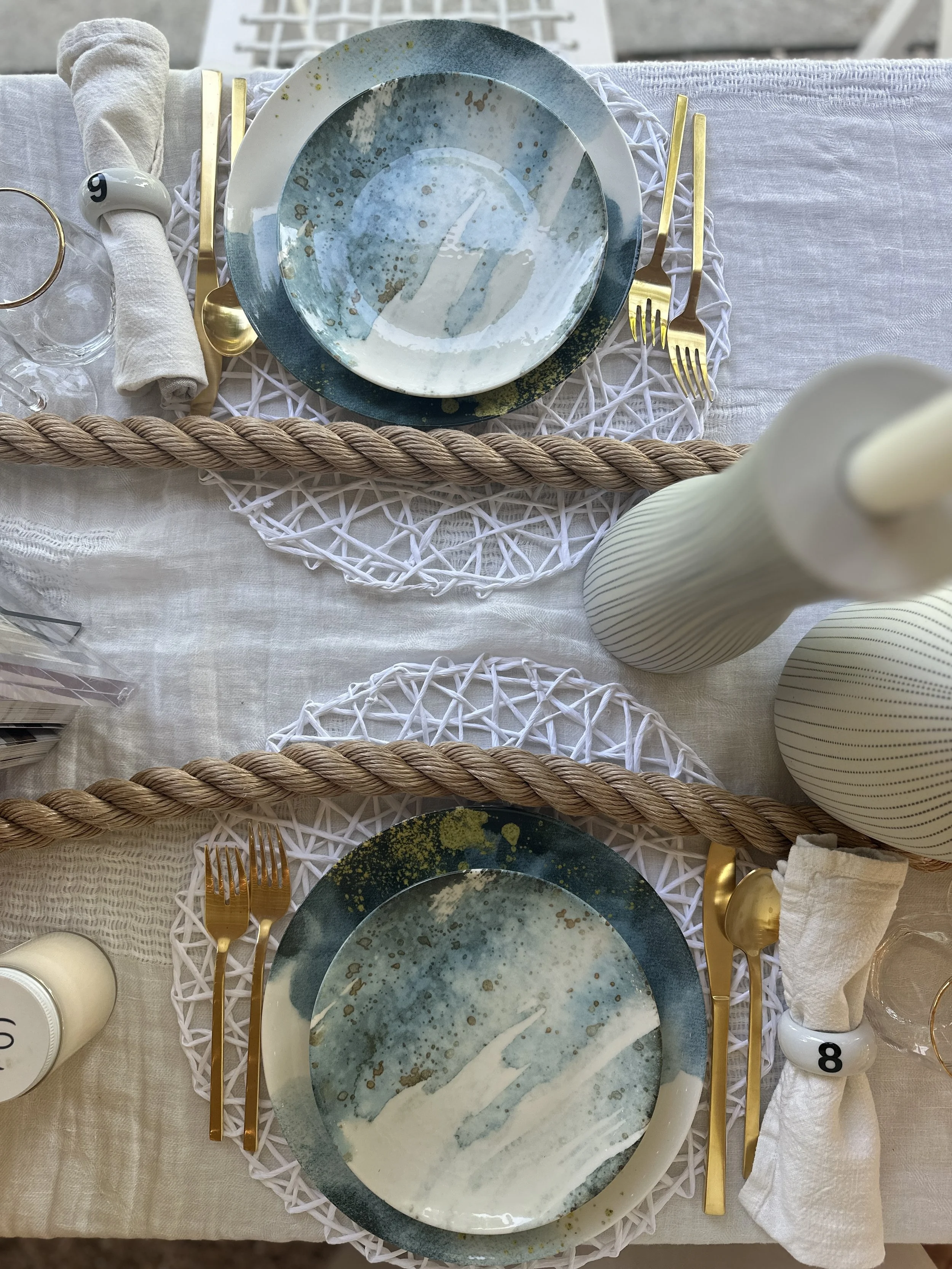
Style Your Table With Color, Texture, and a Thoughtful Centerpiece
A tablescape can feel disjointed when every accessory introduces a new color, pattern, or finish. A simple way to make your table feel more cohesive is to build on what already exists in the room.
Start by looking at the colors and materials already in your dining room. Choose one dominant color, one supporting shade, and a smaller accent.
Your table decor should feel connected to the space, so consider pulling a color from your rug, artwork, or upholstery into your linens, dinnerware, or centerpiece.
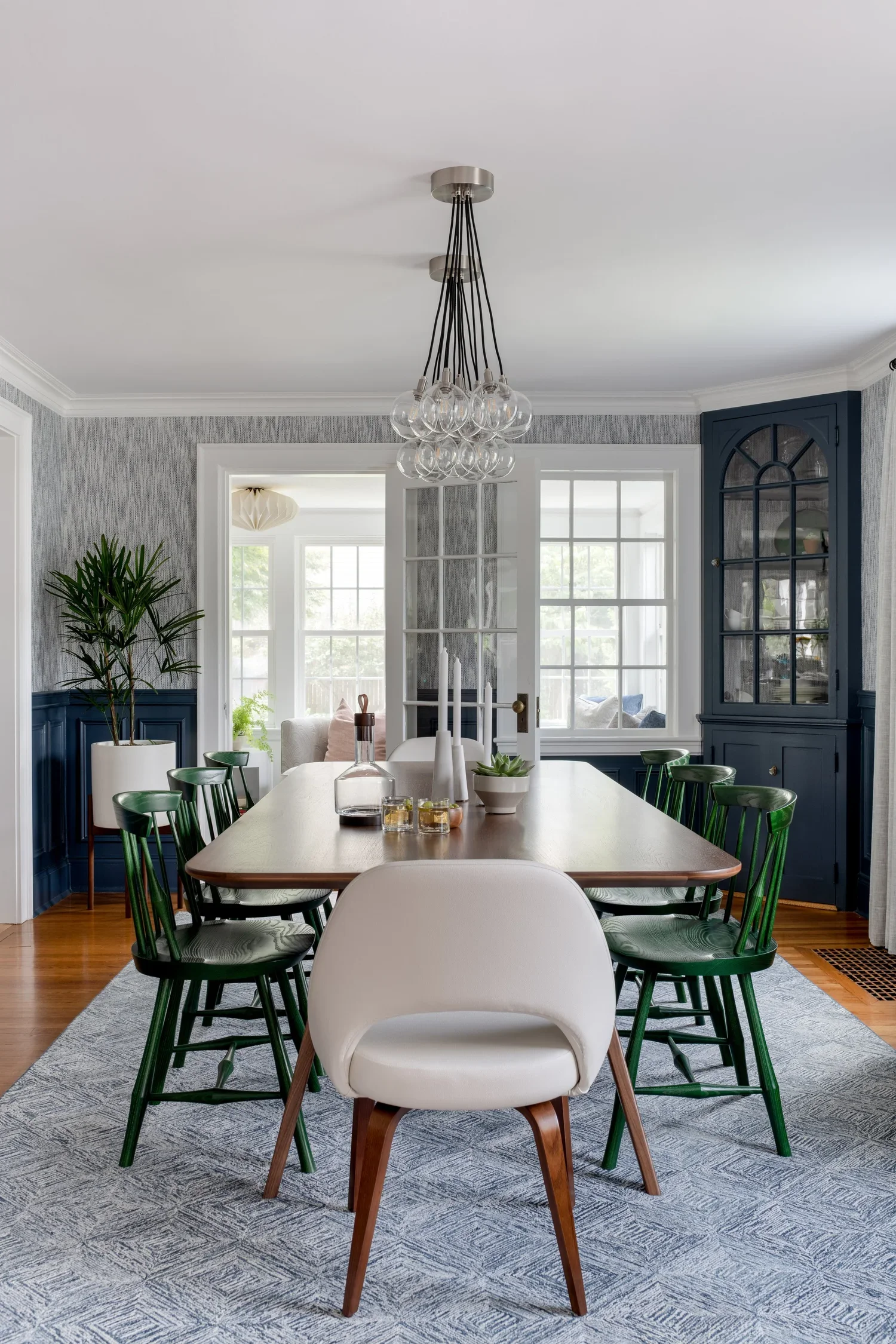
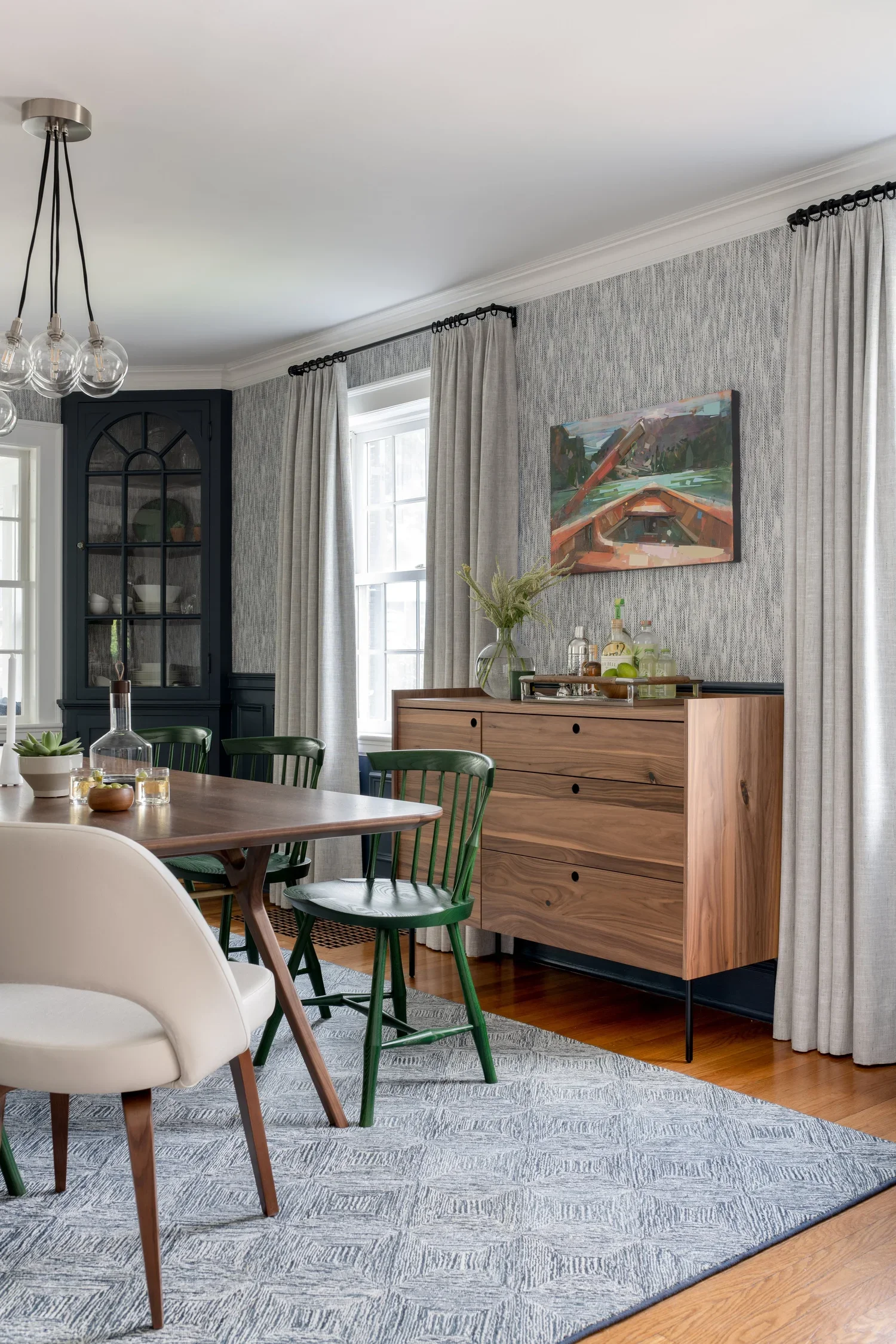
For Thanksgiving, this might mean using the existing neutrals in your dining room alongside muted green and a little burgundy or rust.
You don't need to match everything exactly. Repeating a few colors, materials and finishes create a connection between the table and the wider room.
If your dining room has brass hardware or bronze lighting, you could echo that finish in candleholders or serving accessories. If the room features lots of wood and natural textures, linen napkins and ceramic dinnerware may feel like a natural fit.
Try this at home:
Gather your potential table accessories in one place before arranging them. Group items by color and material, then select only the pieces that work together. This is often more effective than placing objects on the table one at a time.
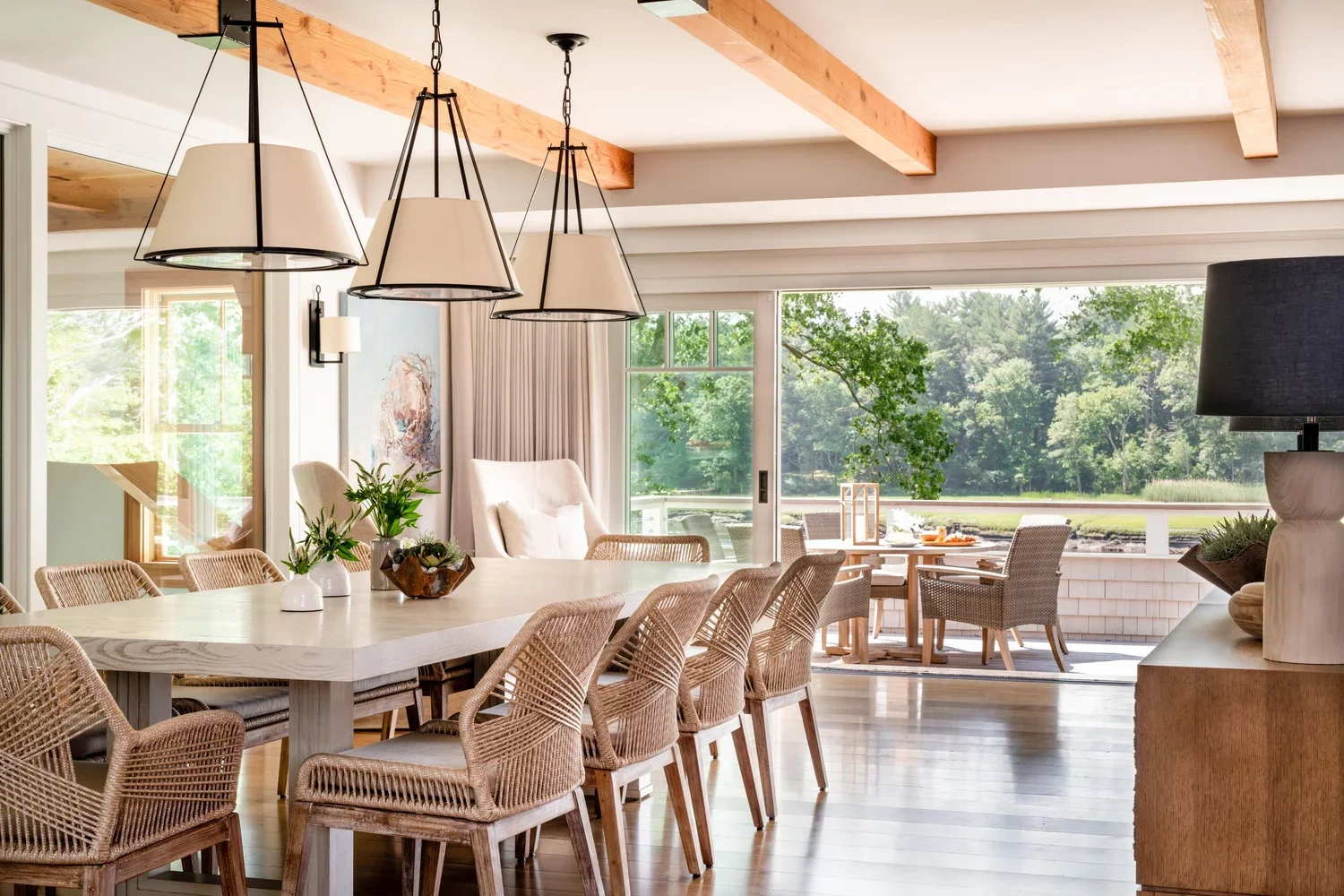
When it comes to the centerpiece, consider the shape of your table and how you'll be serving the meal. It should complement the dining table without taking over. Its size, height, and shape all affect how comfortably guests can eat and talk.
For a round table
A single arrangement can create a natural focal point. Keep its footprint compact enough to leave room for plates, glasses, and serving dishes.
For a long rectangular table
Consider a series of smaller arrangements or objects arranged along the center. Repeating elements creates a visual rhythm and often feels more balanced than one small arrangement floating in the middle of a long table.
Keep arrangements low enough for guests to see one another comfortably, and leave plenty of room for serving dishes, glasses, and place settings. Before finalizing your decor, try setting out everything you'll need for the meal to see how much space you actually have.
The goal is a table that feels thoughtfully styled while still being comfortable and practical to gather around.
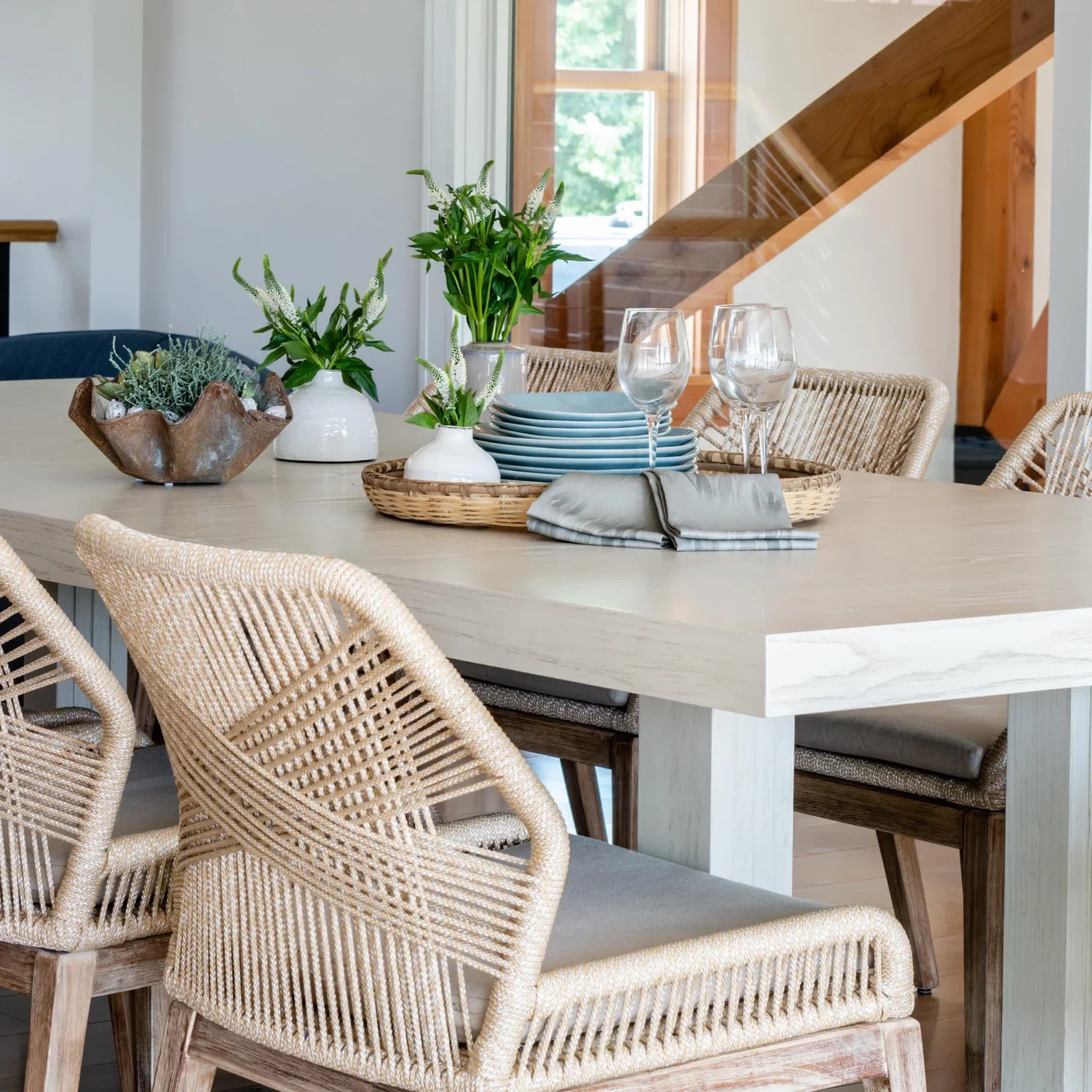
Before settling on your arrangement,
Place your largest serving dishes on the table first. Think about whether the meal will be passed around or served from a sideboard. Then arrange your centerpiece around the space you need.
For a Thanksgiving table, seasonal foliage, branches, fruit, or flowers can introduce color and texture. The specific materials matter less than how the arrangement fits the table and the rest of the setting.
Preparing your dining room for holiday hosting doesn't have to involve a long shopping list. Often, a few thoughtful adjustments to the layout, lighting, and finishing details can make a meaningful difference in how the space looks and feels.
Of course, sometimes a room needs more than a few decorative updates. If you've been feeling like your dining room isn't quite working for your lifestyle, or you're ready to rethink the space entirely, it may be time for a more comprehensive refresh or renovation.
If you're considering a dining room makeover or a larger home renovation in the Boston North Shore, or surrounding New England communities, I'd love to help you create a space that feels personal, beautiful, and works for the way you live.
Explore our interior design services or get in touch to tell us a little about your project.
Until next time,
Justine