

Cape Town has a way of reshaping how you see design.
Returning recently, I was reminded that the most lasting inspiration often comes from places that feel both deeply familiar and entirely new at the same time. As a designer, travel has always shaped how I understand space, materials, and the feeling a home can create. Coming back to where I grew up brought a different kind of clarity. It was familiar, but I saw it with new eyes.
From coastal villages to considered architecture, Cape Town holds a balance that continues to influence how I approach design.
These are the spaces that left the deepest impression during my recent trip.
1. Hout Bay and the Market
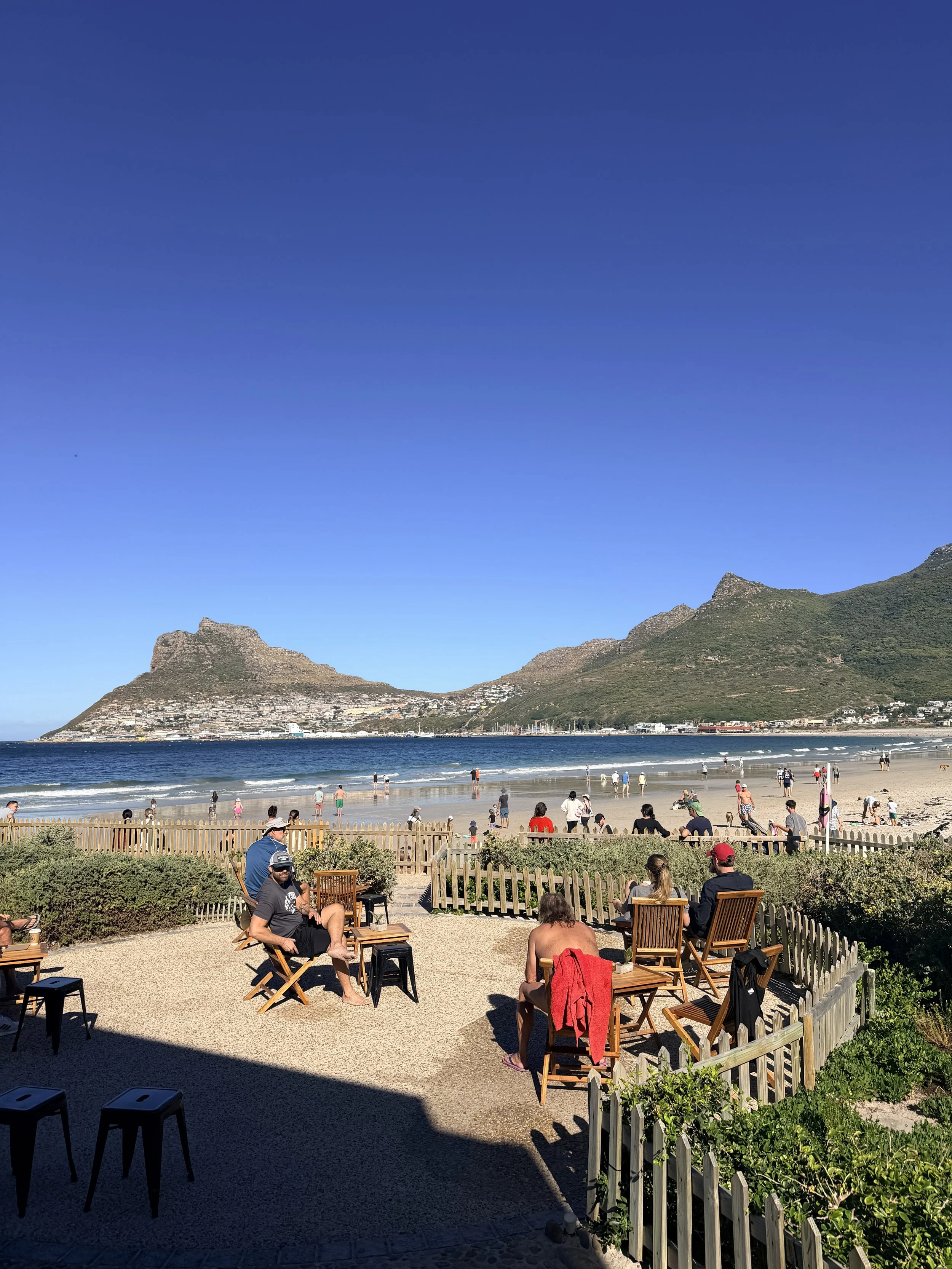
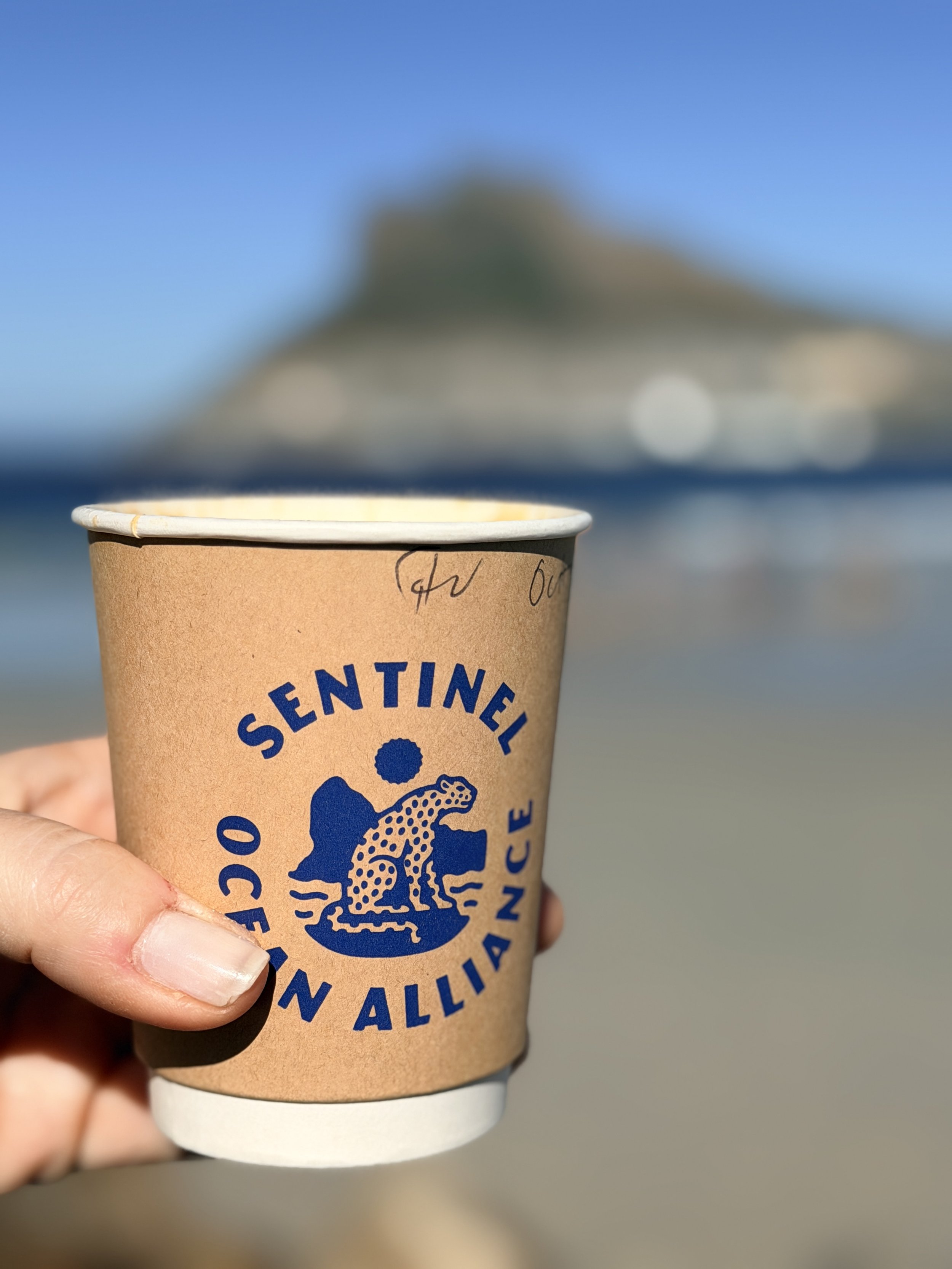
I stayed in Hout Bay, a coastal enclave that still reflects its roots as a fishing village. There is a natural ease to life here. It feels unforced, grounded, and closely tied to the landscape.
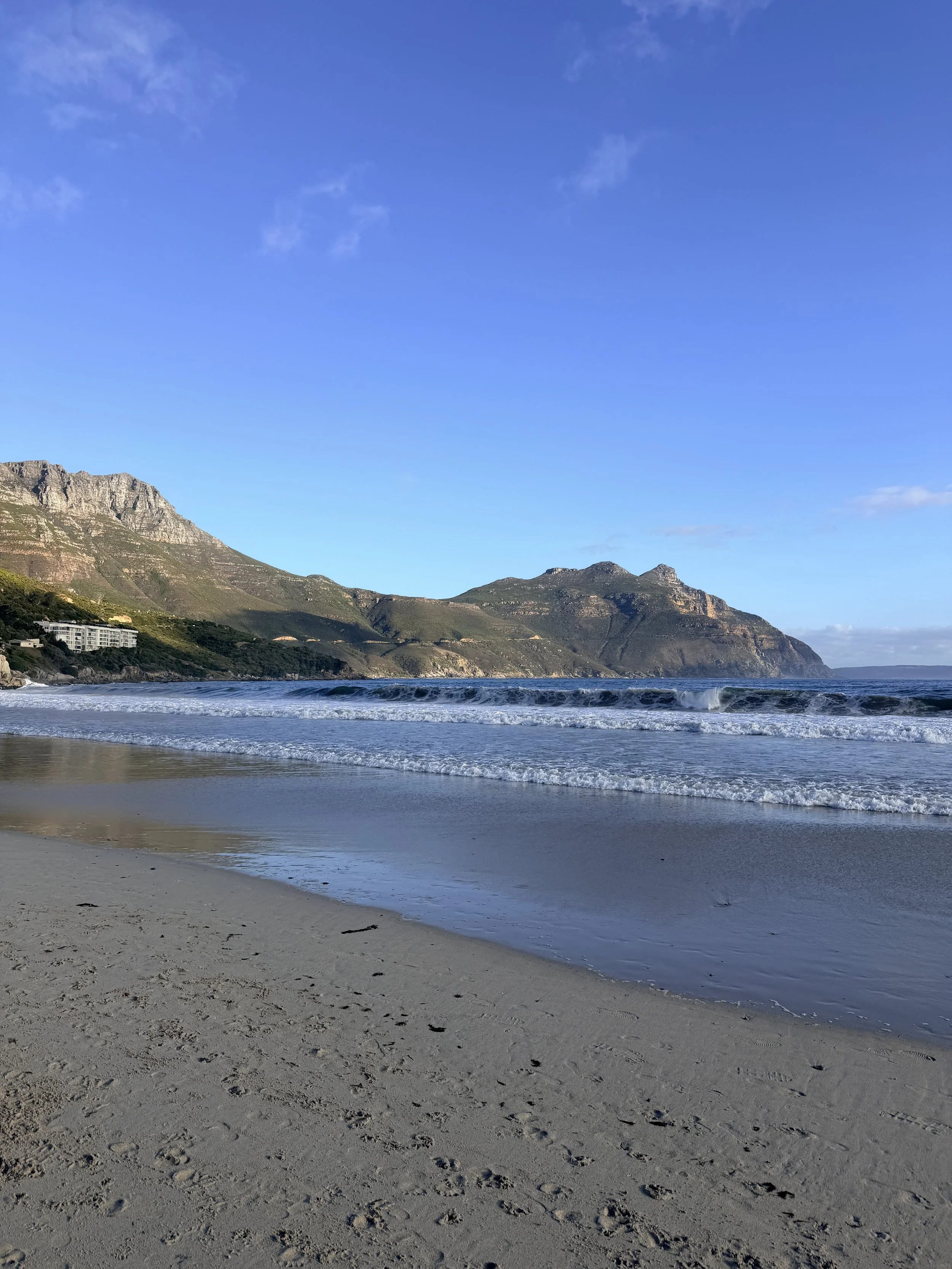
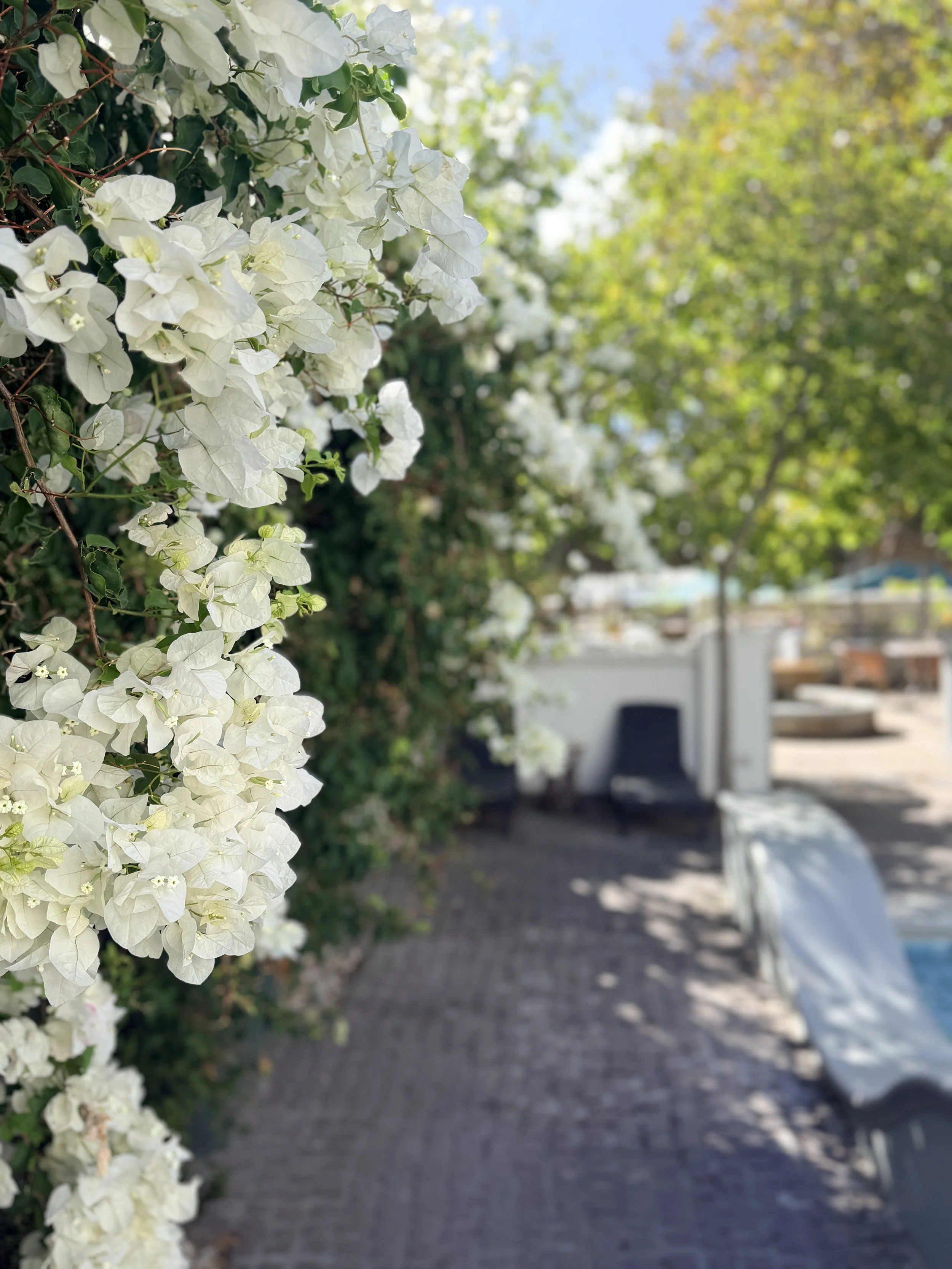
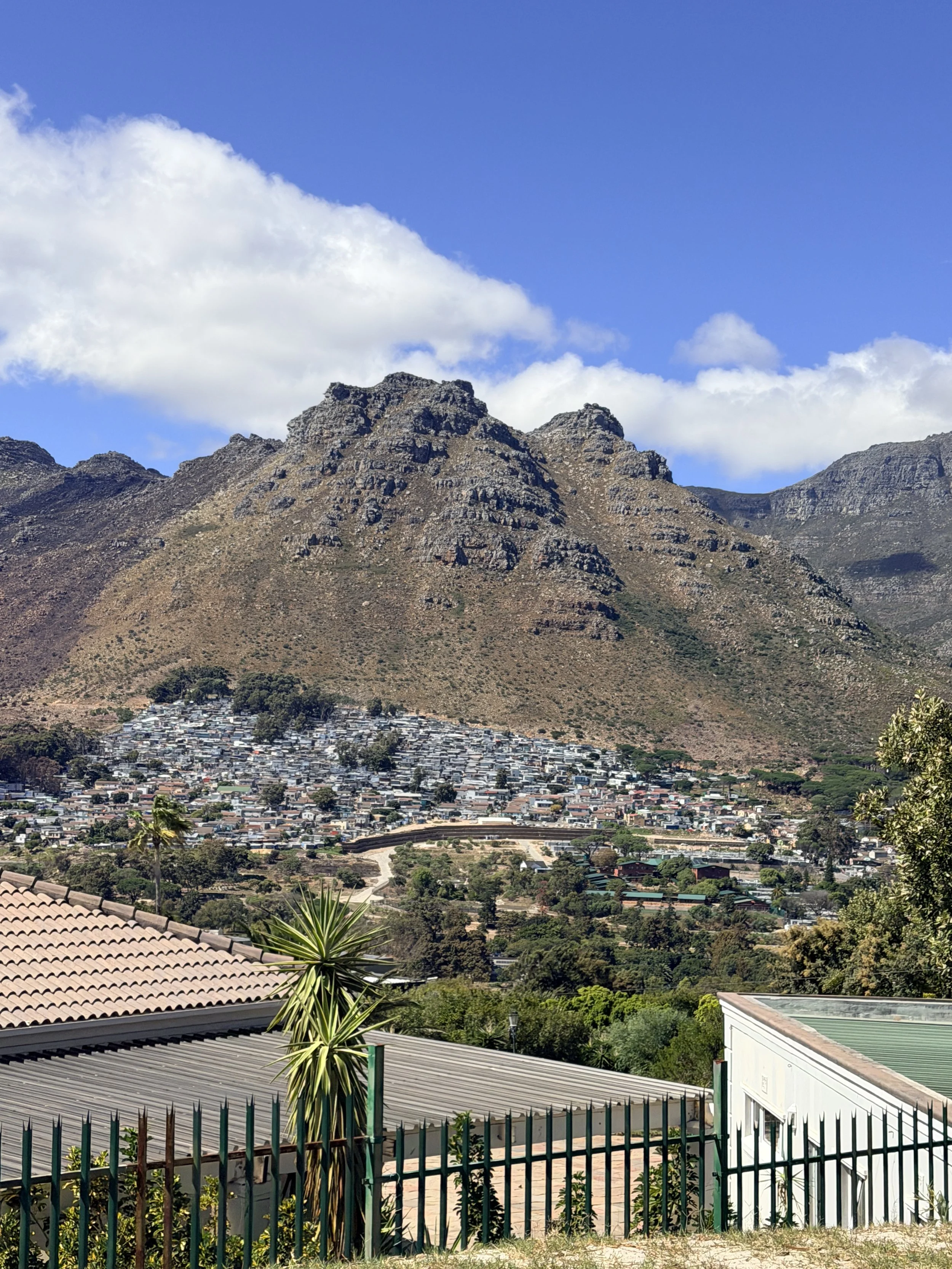

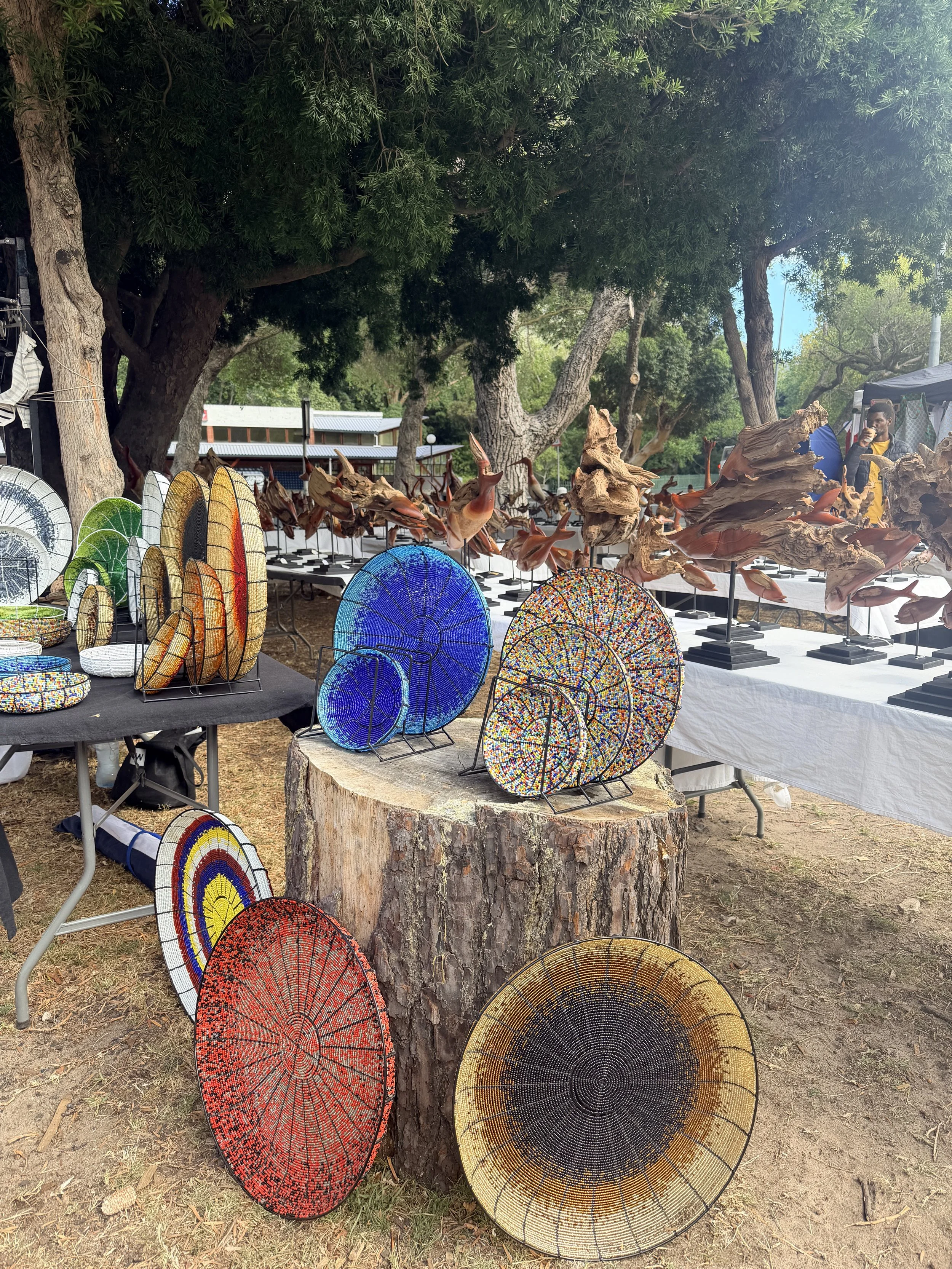
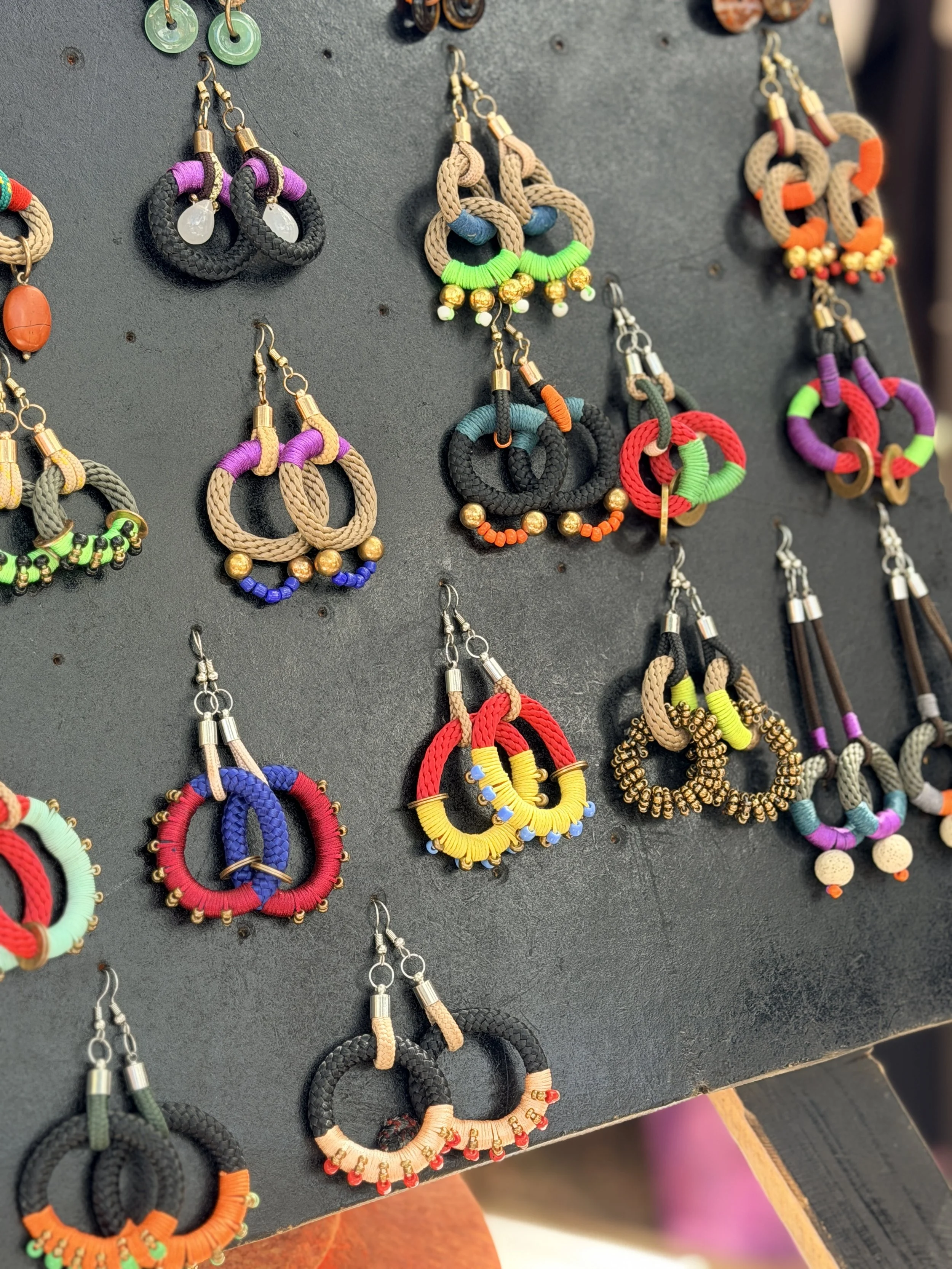
At the Hout Bay Market, that same feeling carries through in a different way. Stalls are filled with vibrant textiles, ceramics, and handmade goods. Color is used freely and confidently, without hesitation.
It is a reminder that not everything needs to be overly refined to feel considered. There is beauty in pieces that are expressive, layered, and full of character. That perspective continues to influence how I think about incorporating color in a way that feels intentional and lived-in.
2. Buitenverwachting and Franschhoek
A visit to Buitenverwachting in Constantia is always meaningful for me. It is one of the oldest wine estates in the region, and also where I was married, which gives it a personal significance that goes beyond design.
The architecture is quiet and enduring. Whitewashed walls, thatched roofs, and natural materials create a sense of permanence that feels both grounded and effortless. It is a place that does not need to compete for attention.
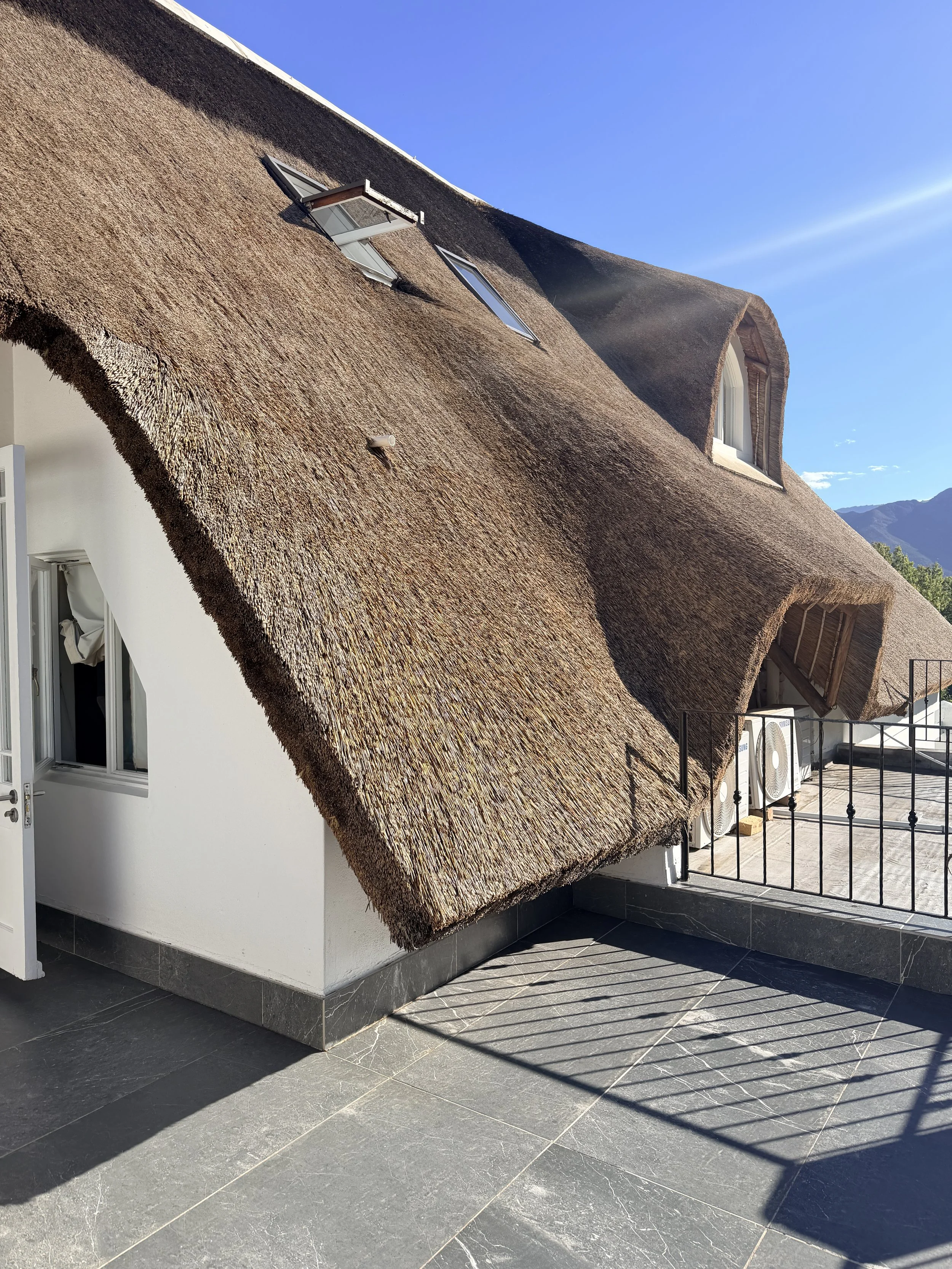
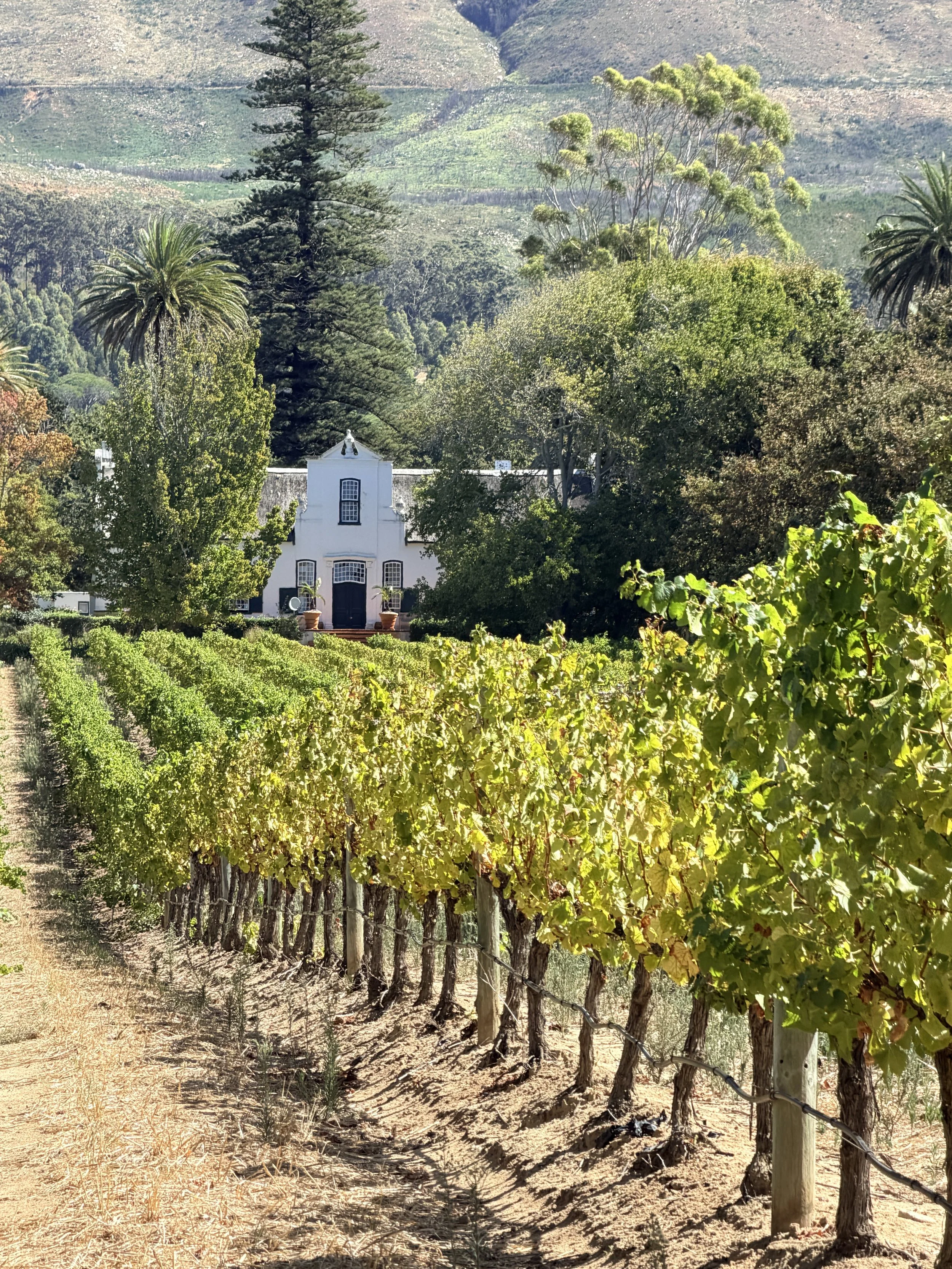
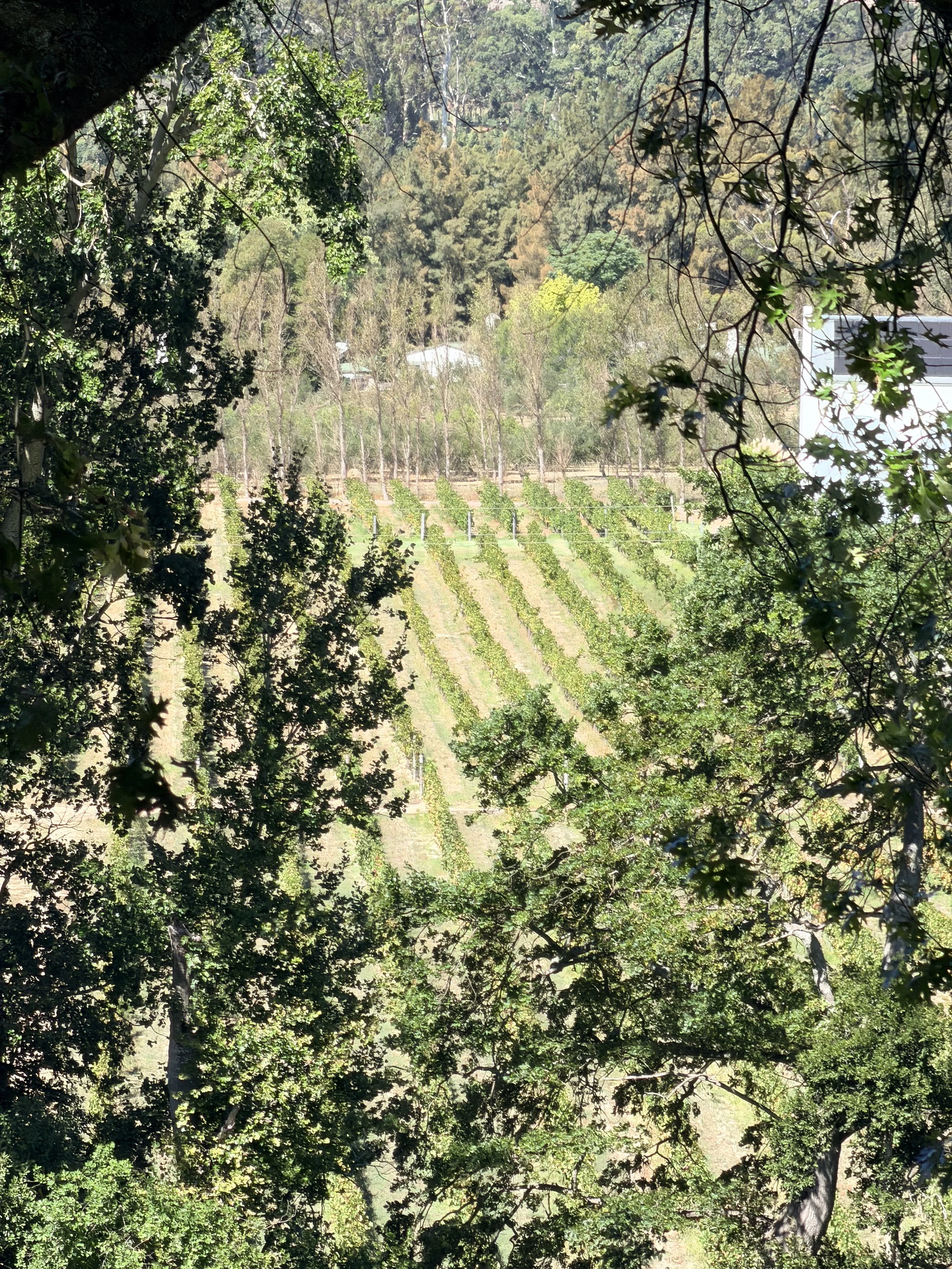
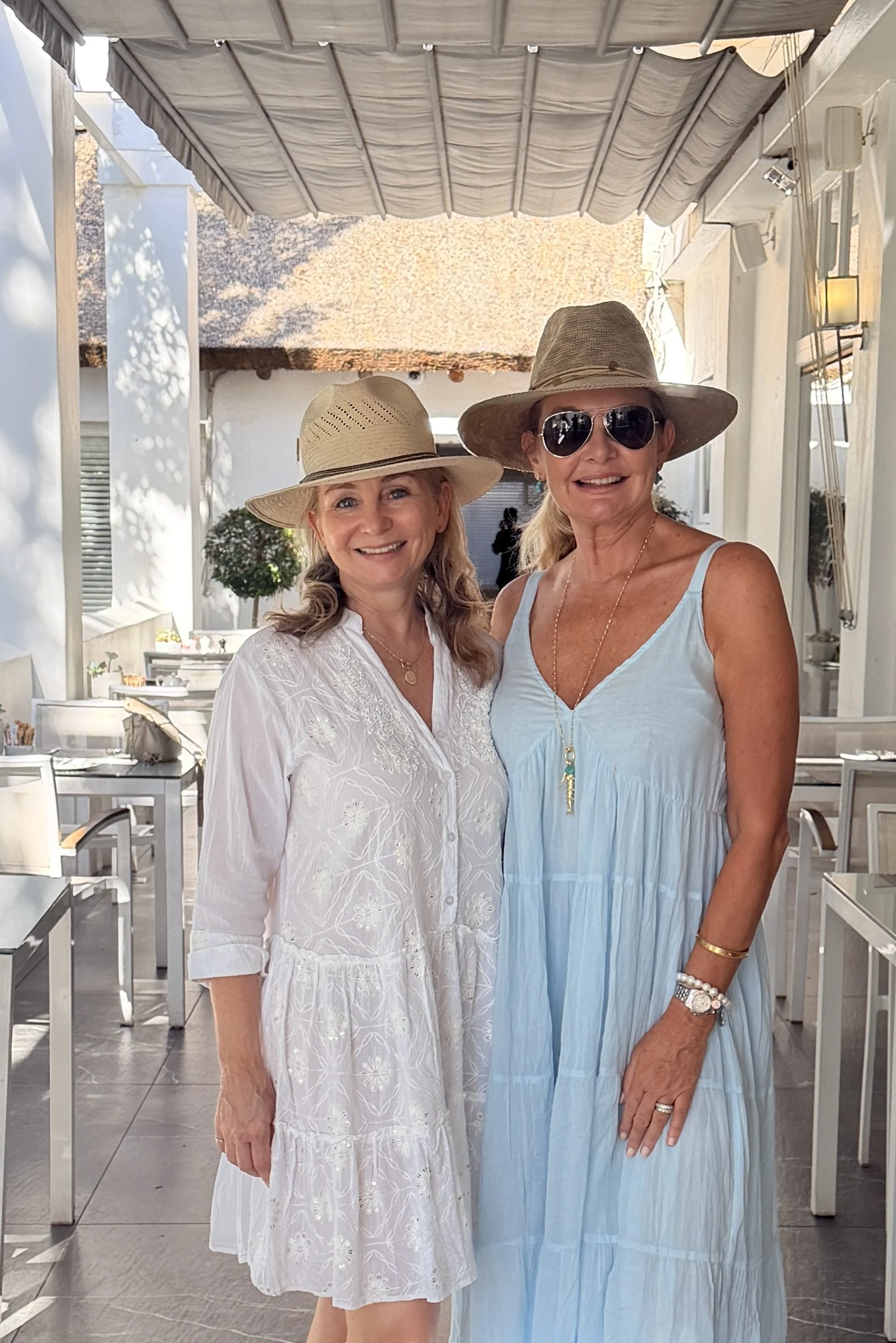
In Franschhoek, the focus shifts toward art and craftsmanship. Time spent walking through galleries and visiting spaces like the Ardmore store highlights a different kind of richness. Pieces feel expressive and deeply rooted in culture, often sitting somewhere between art and function.
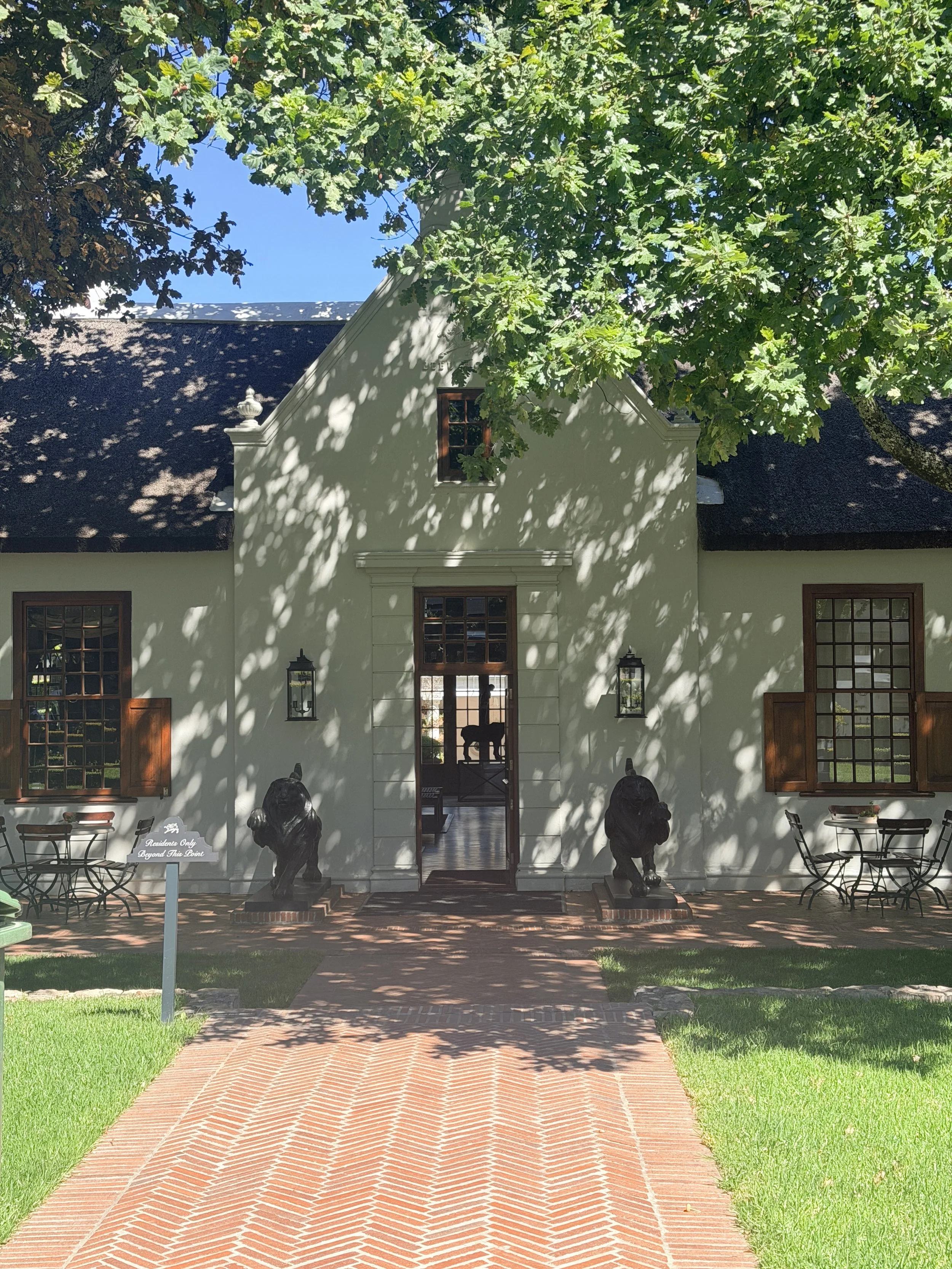
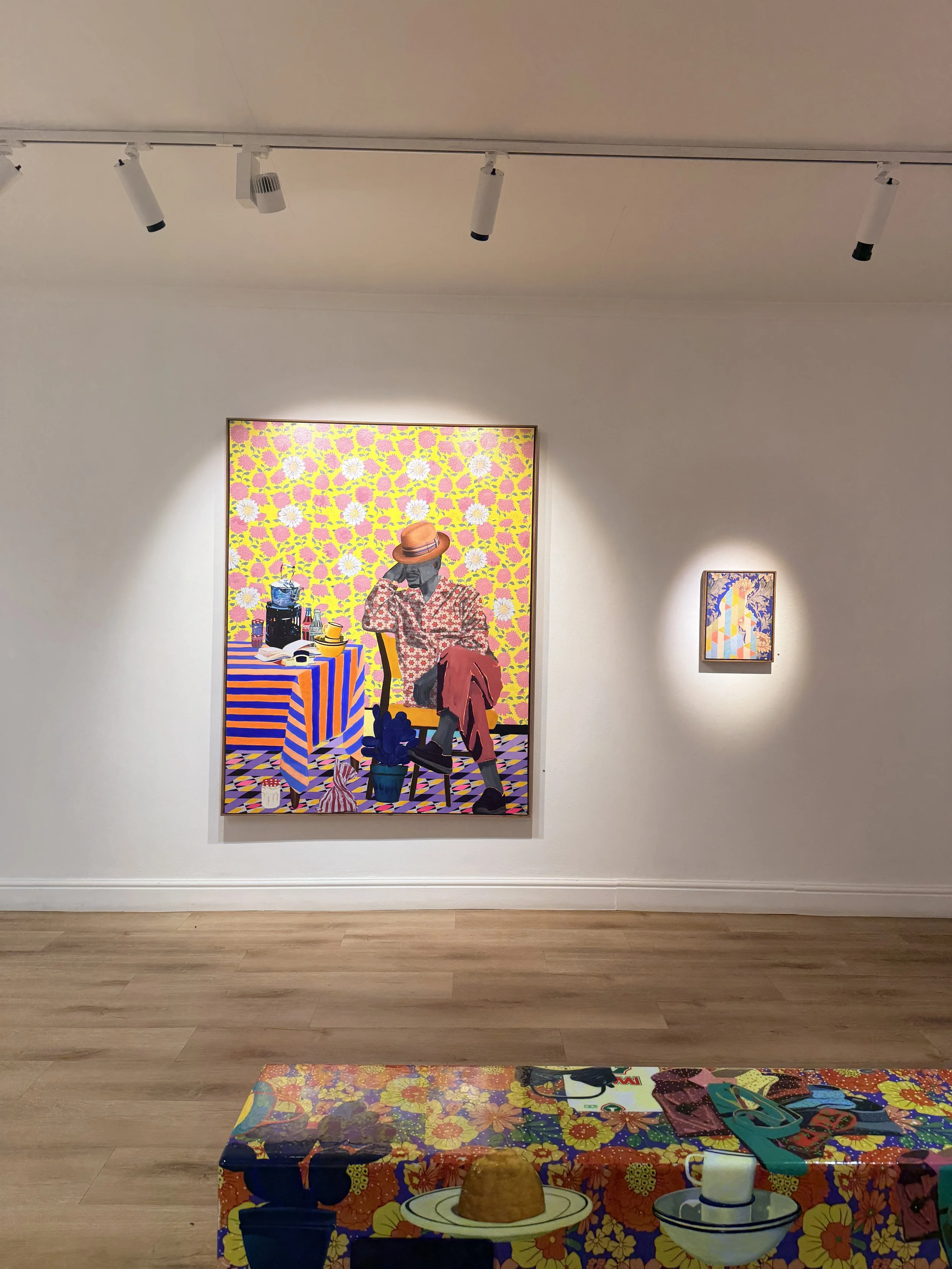
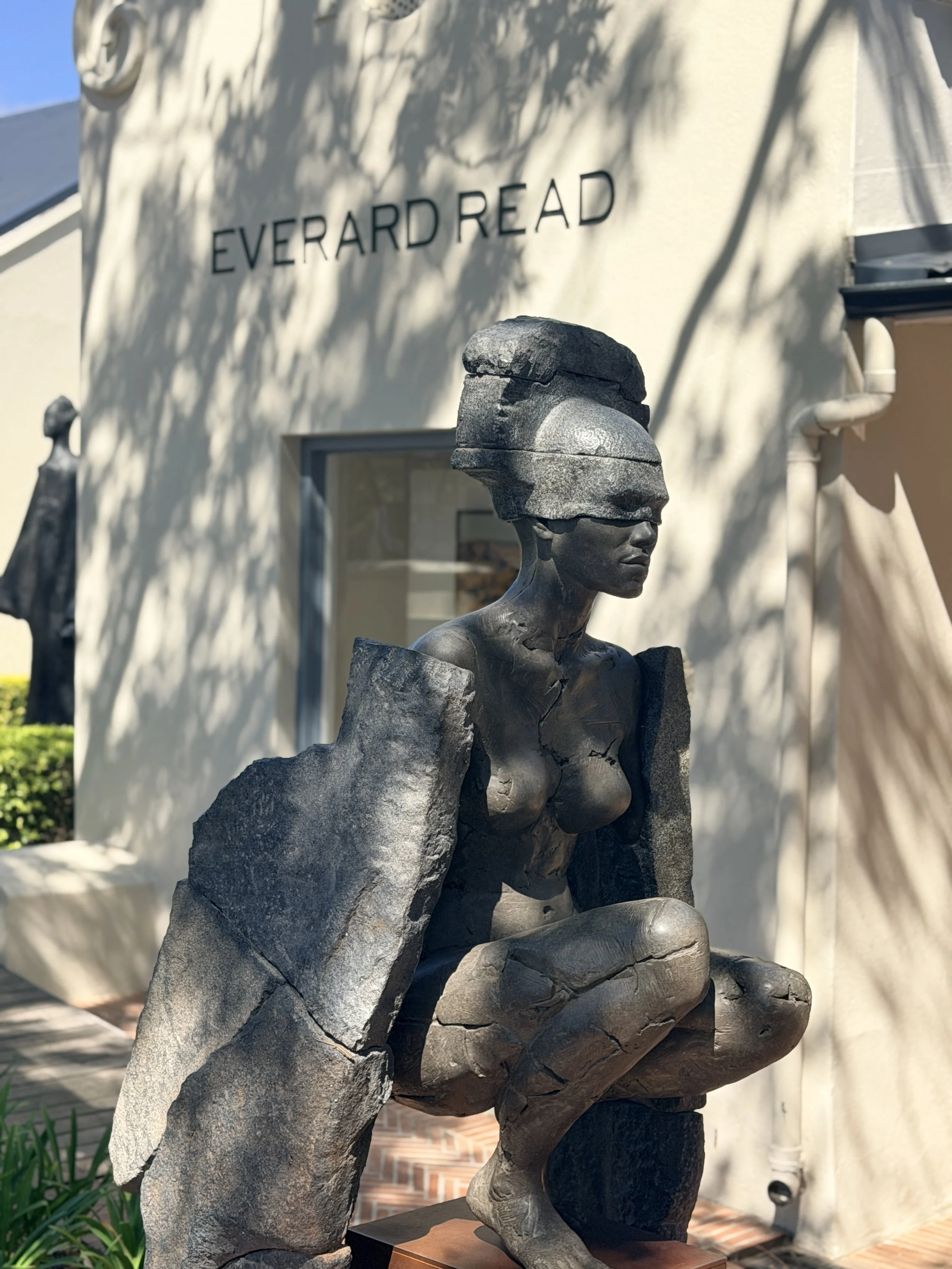
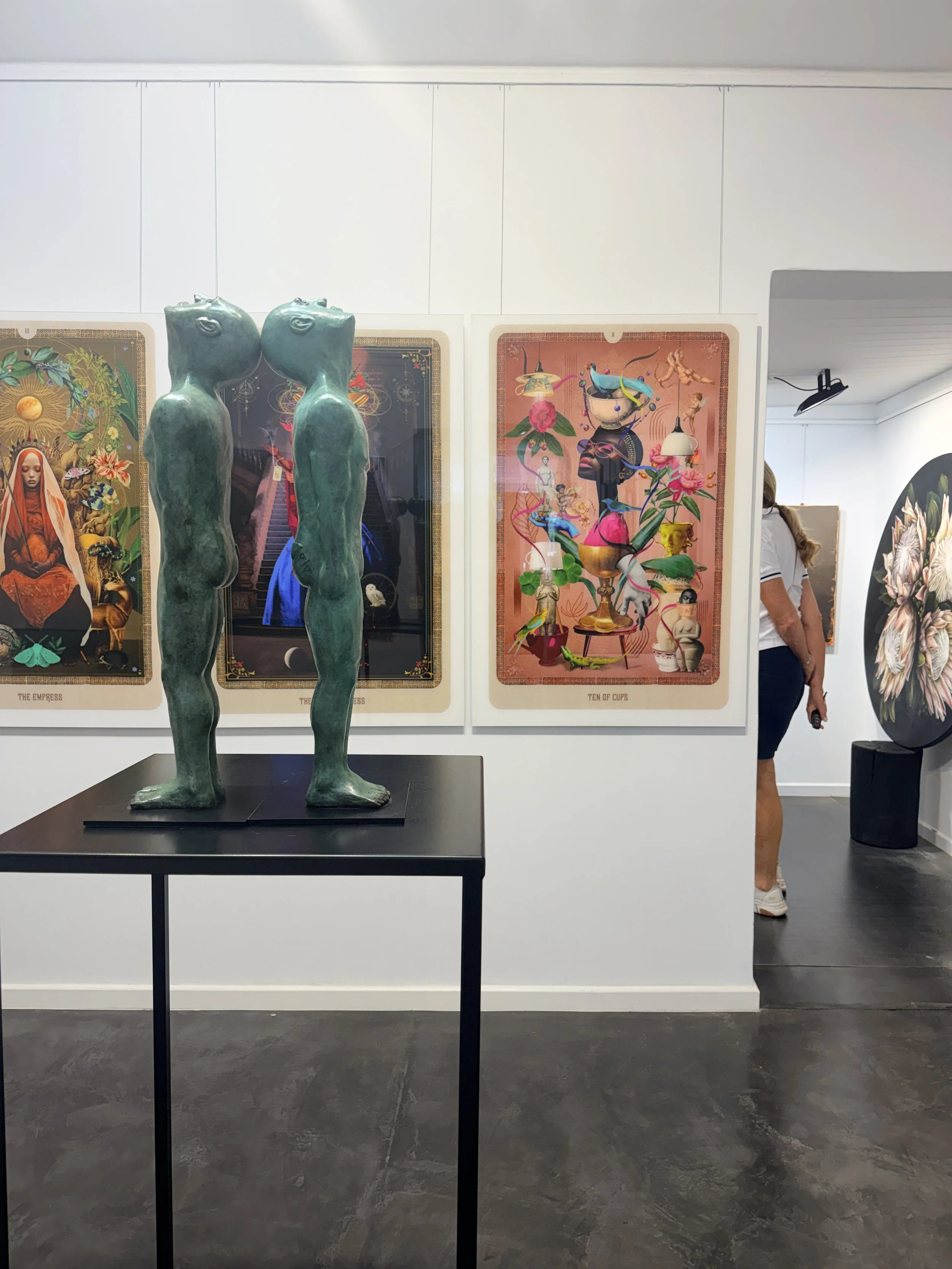
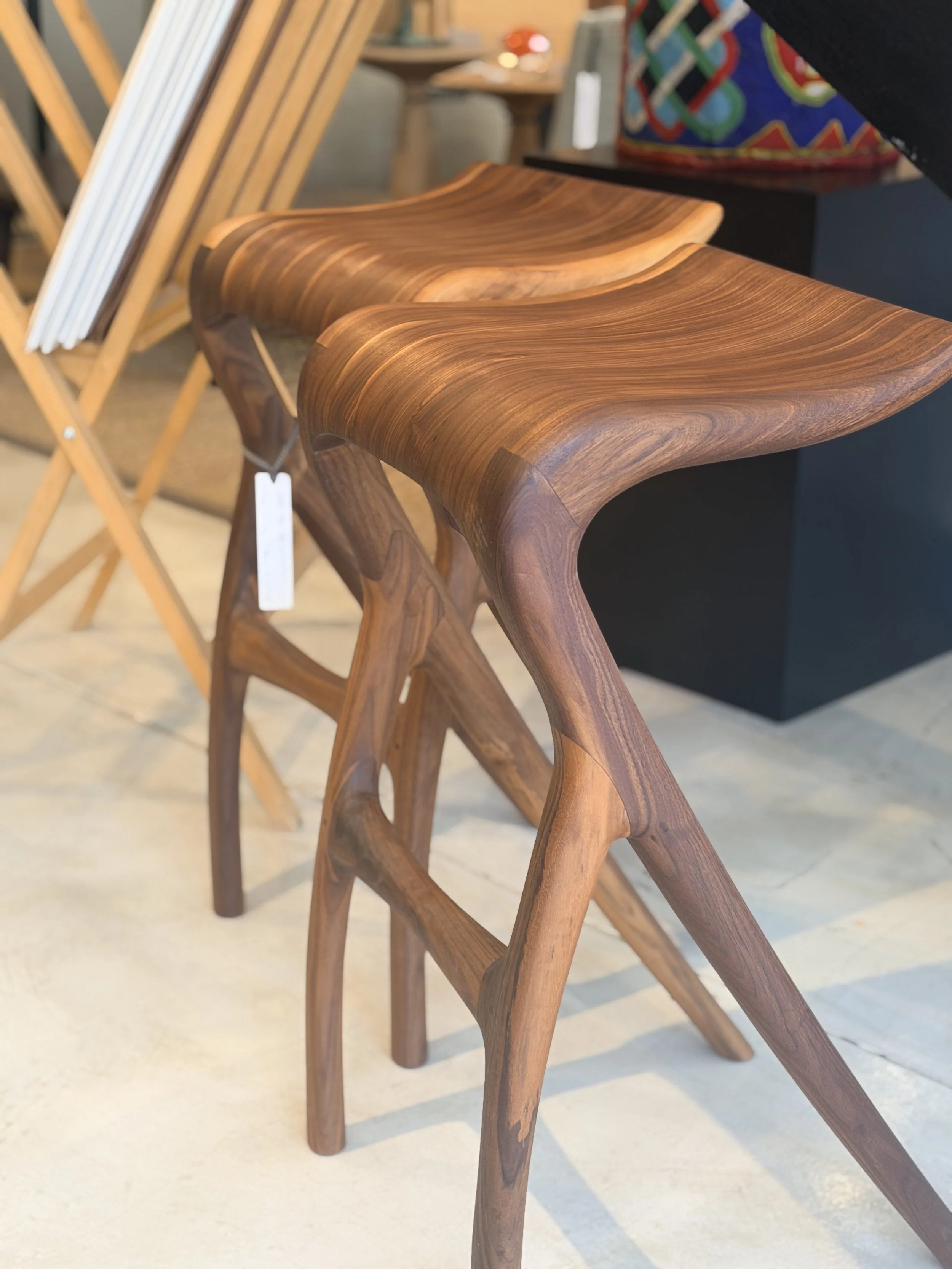
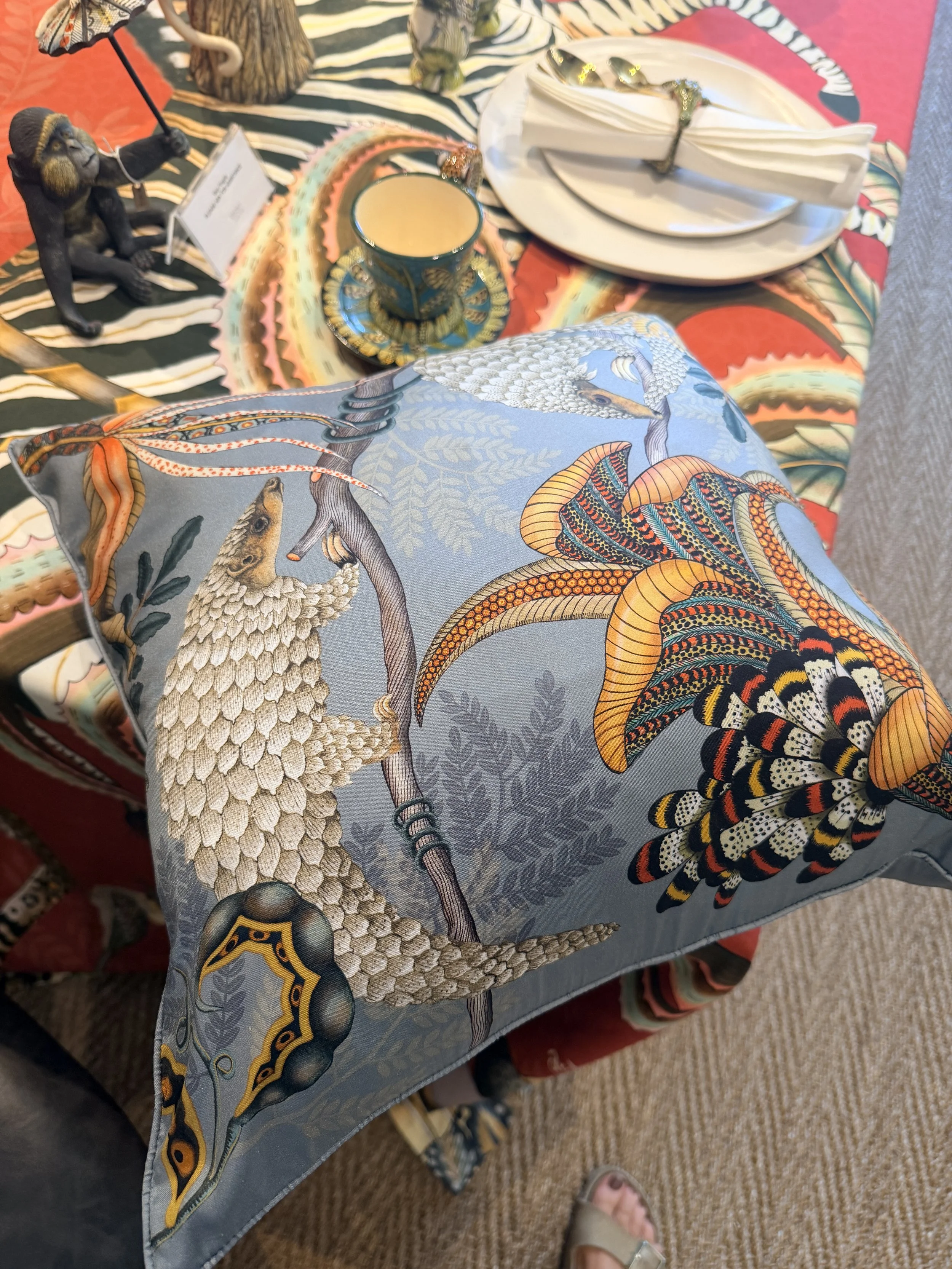
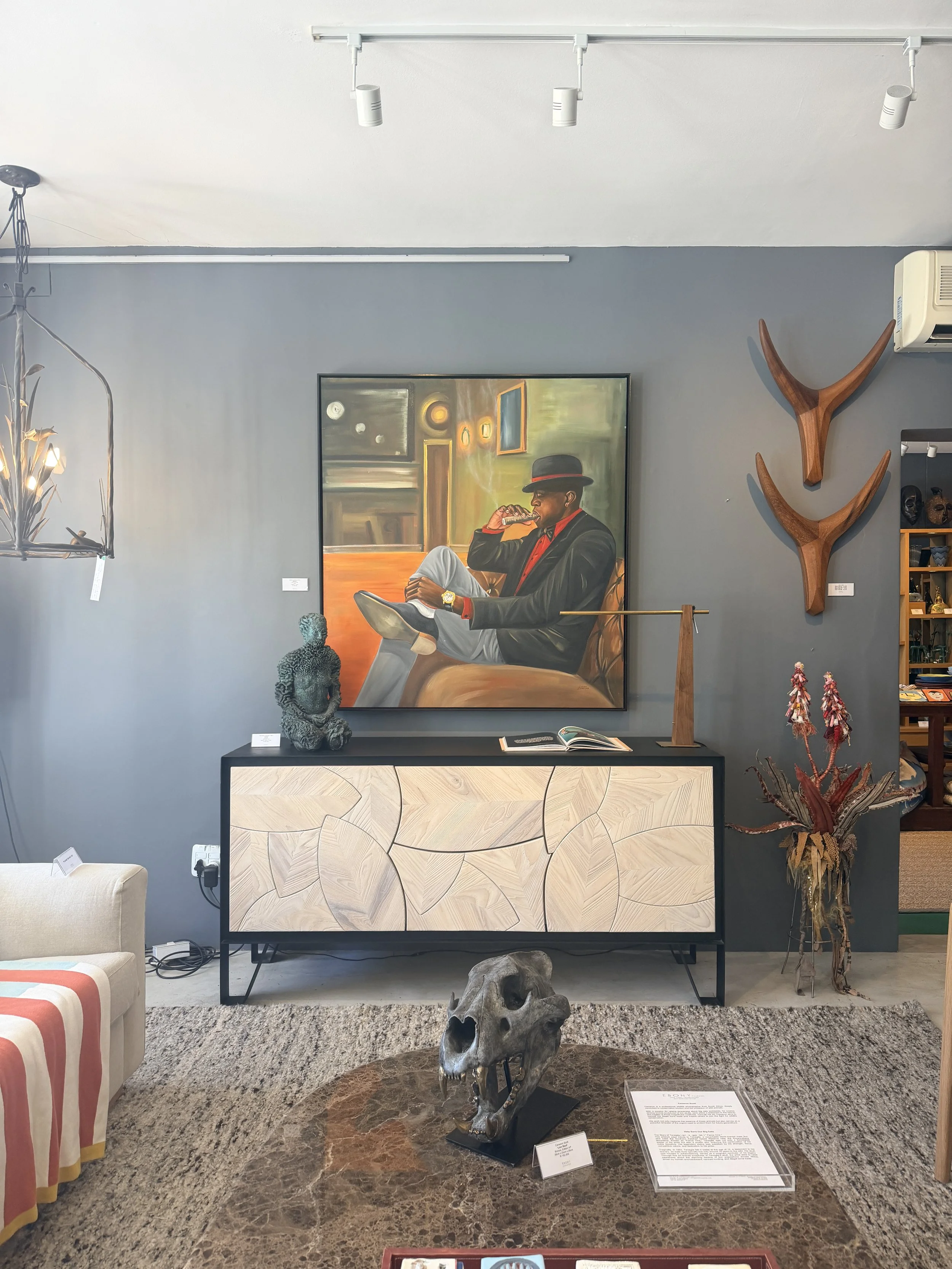
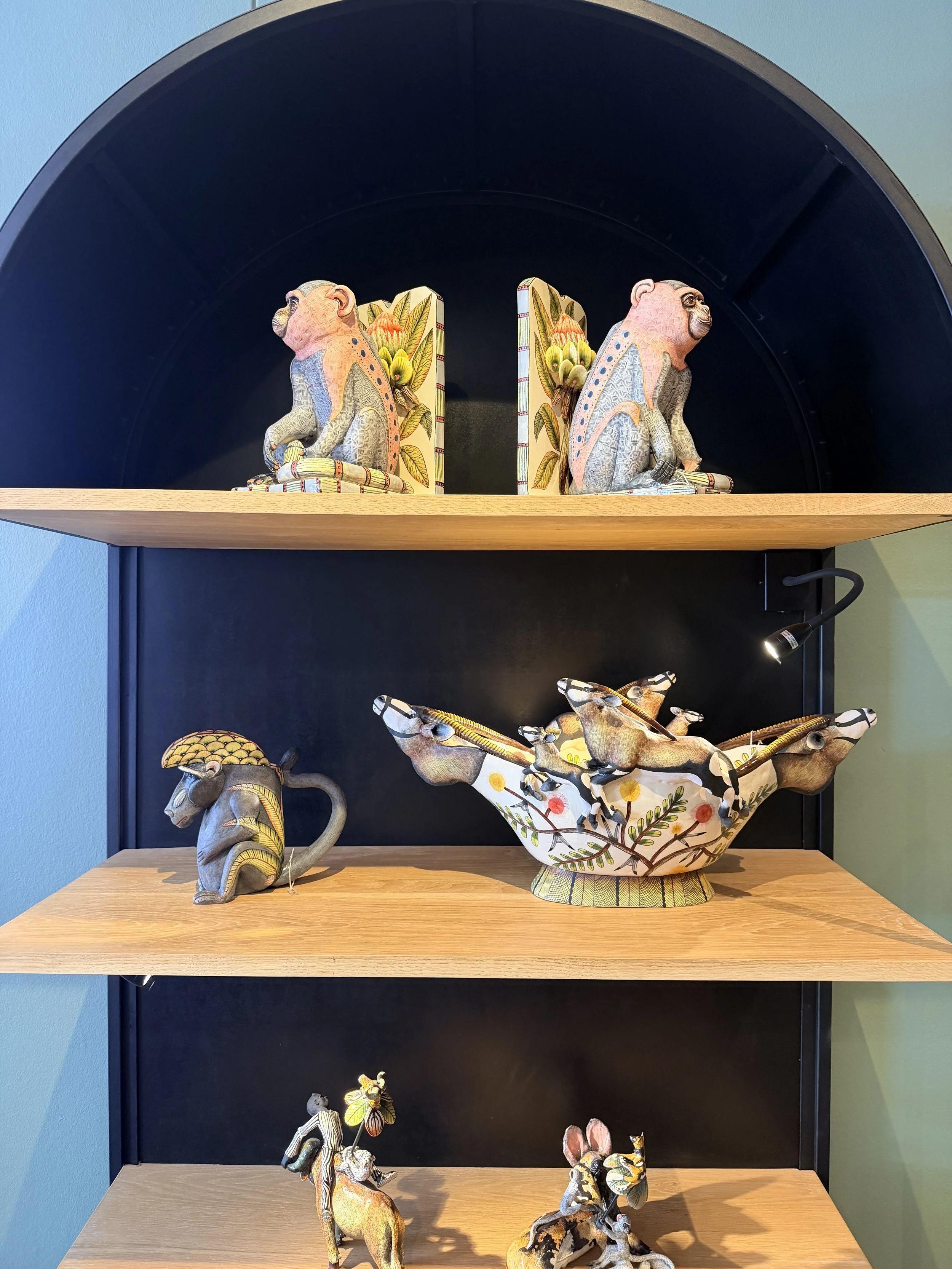
Together, these places reflect two sides of design that are equally important. One is rooted in history and restraint, the other in creativity and individuality.
3. Zeitz MOCAA
The Zeitz Museum of Contemporary Art Africa is one of the most impactful spaces I visited.
Built within a series of historic grain silos, the architecture transforms something industrial into something entirely new. The carved concrete interiors and central atrium create a sense of scale that is difficult to capture in photographs.
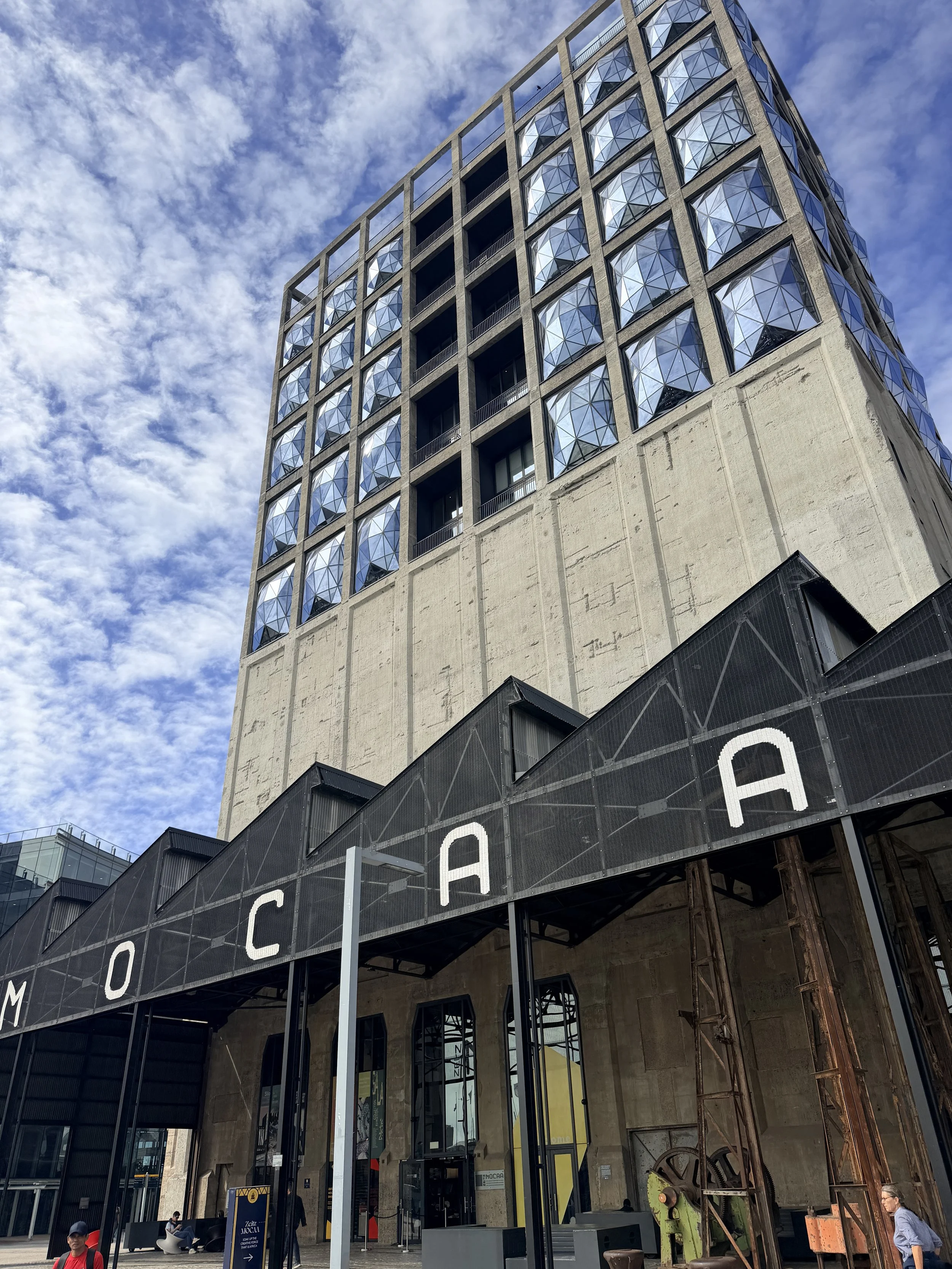
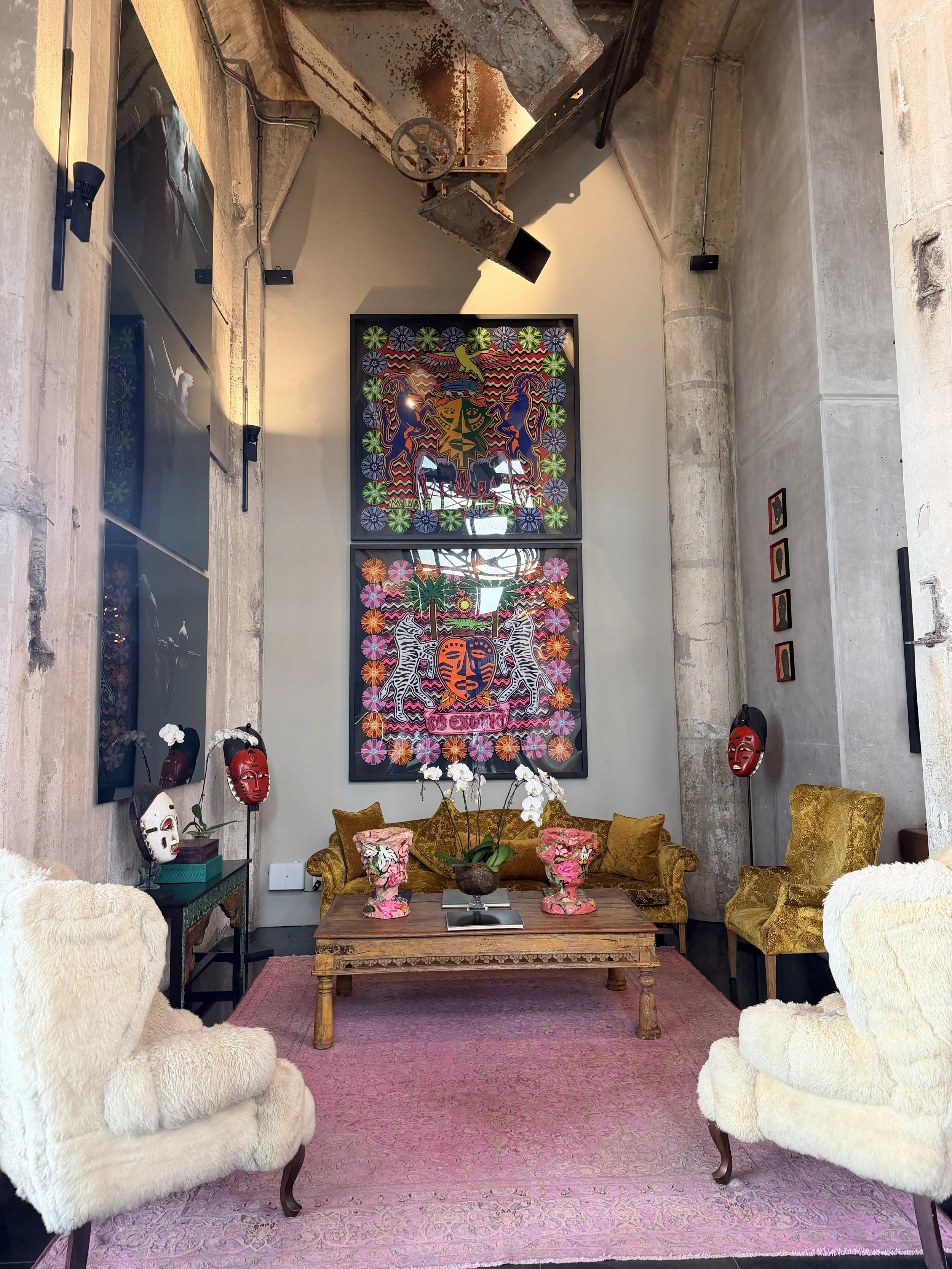
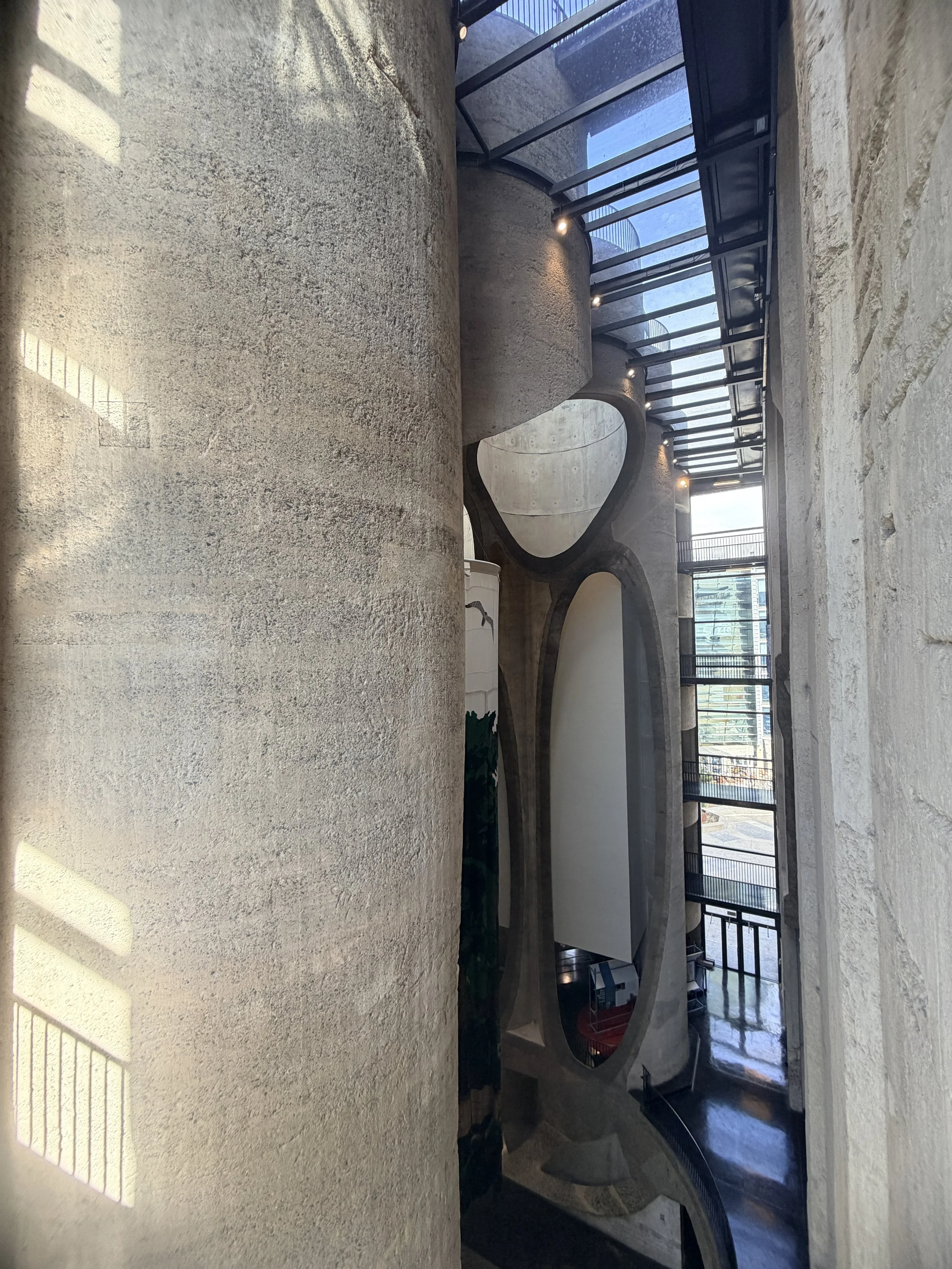
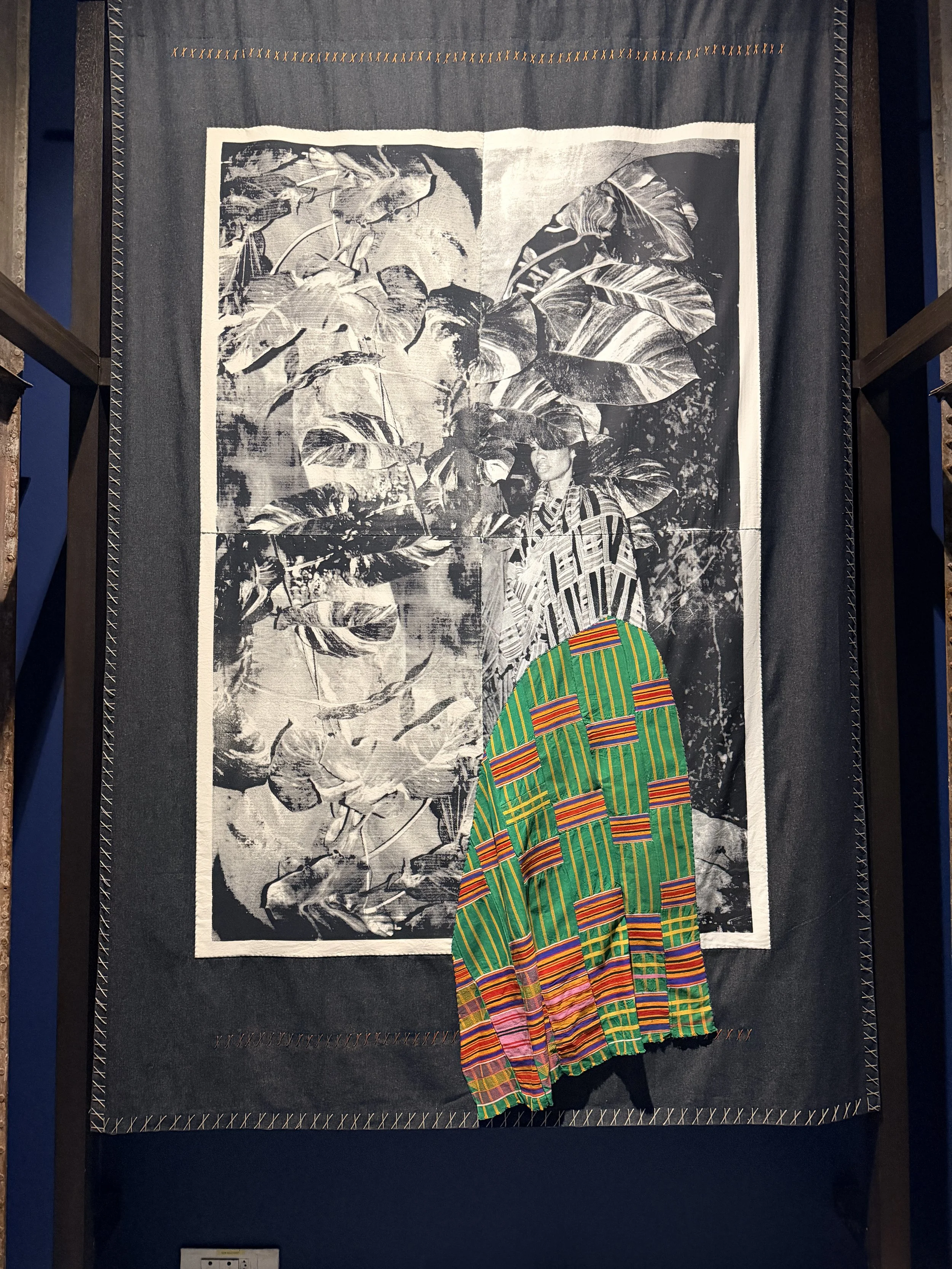
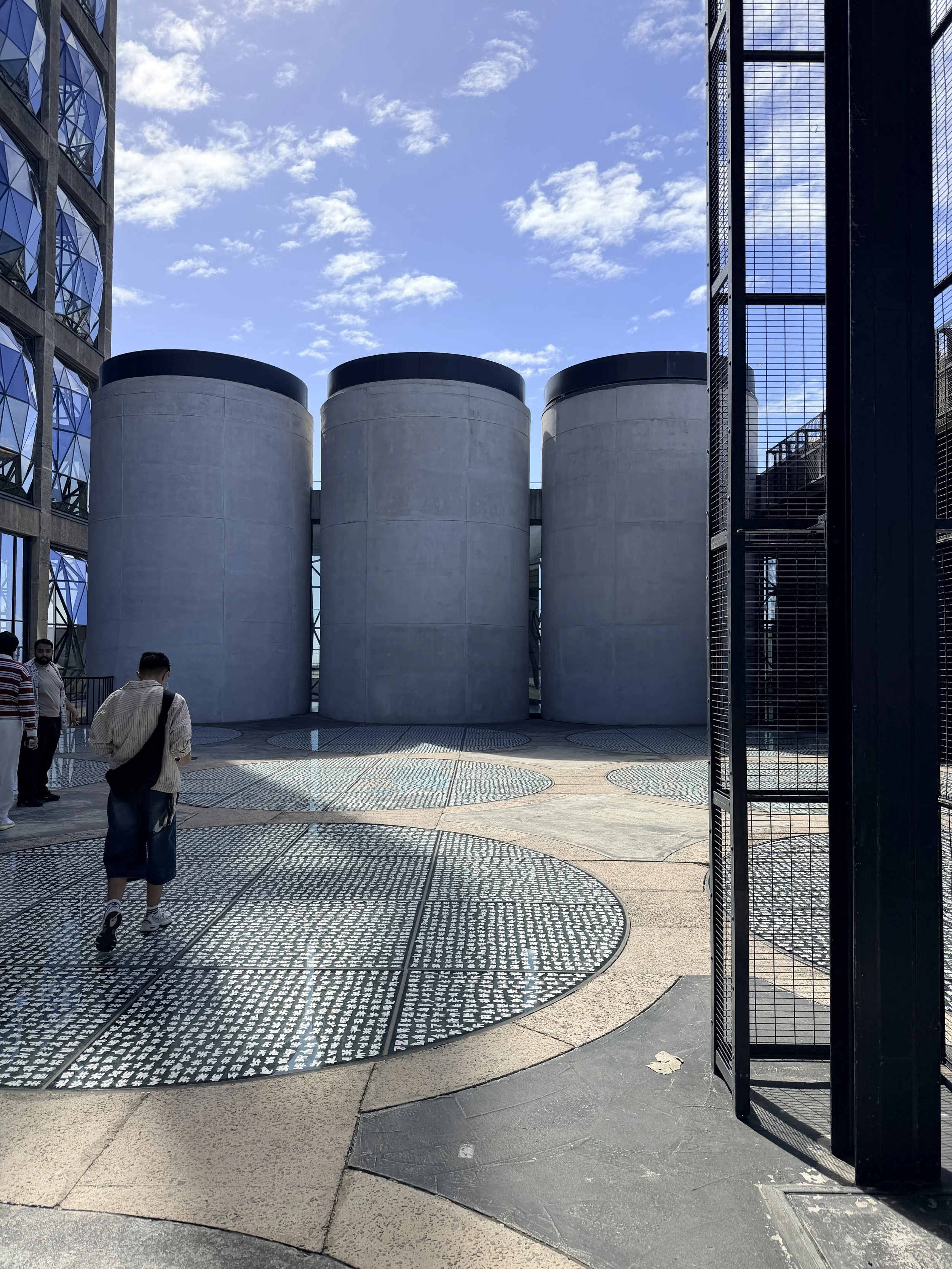
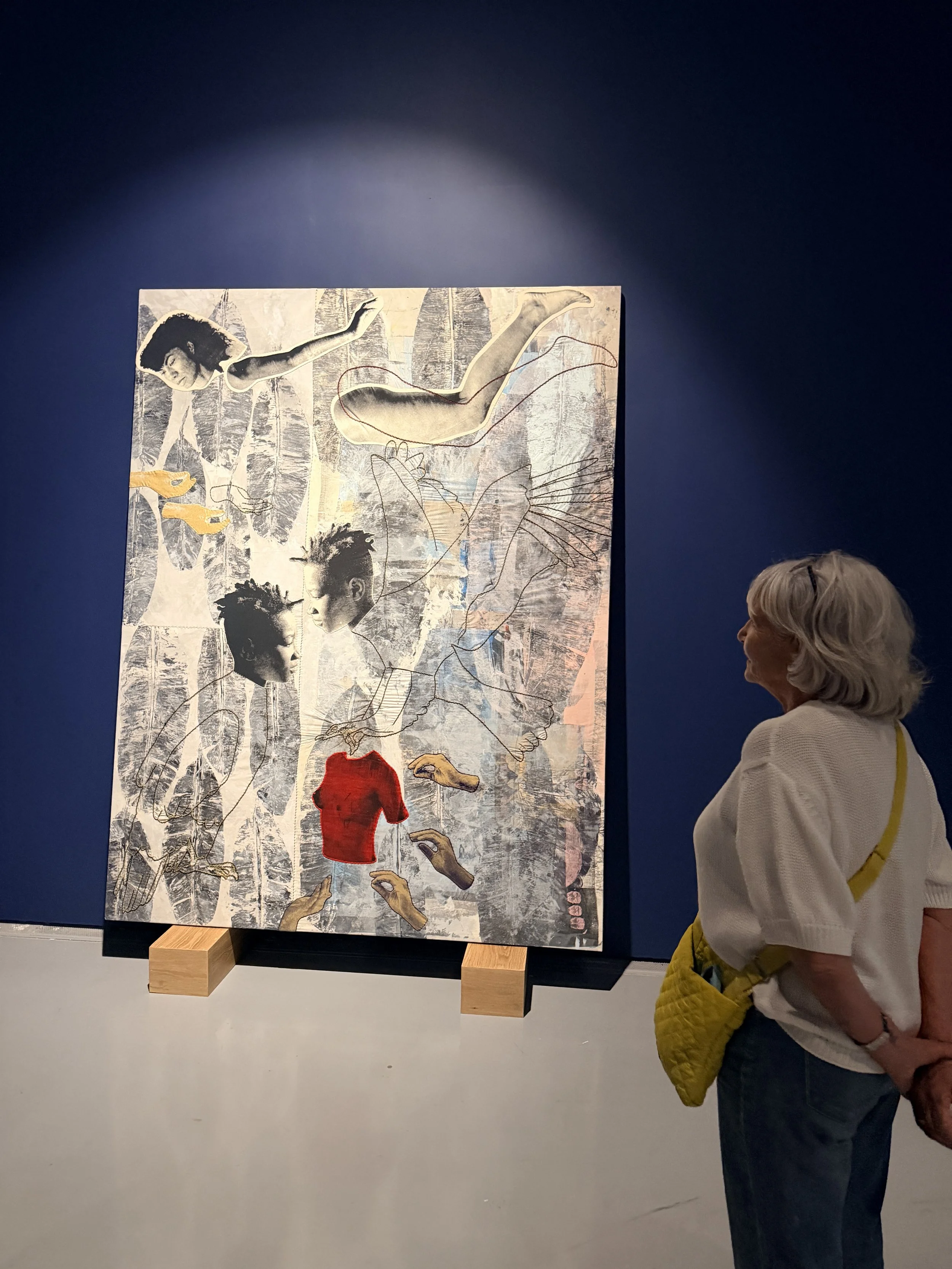
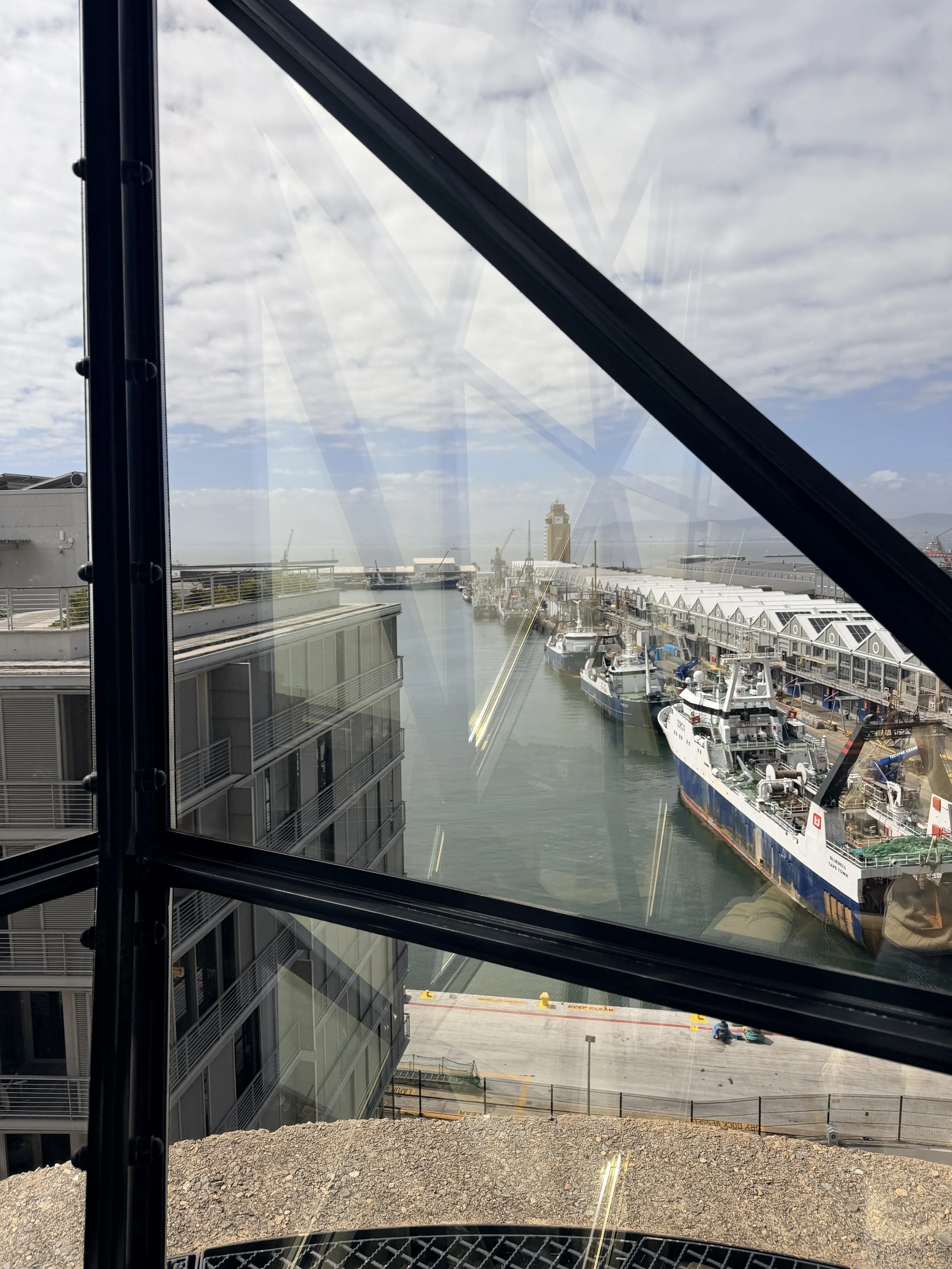
What makes it so compelling is not just how it looks, but how it feels to move through it. Light shifts throughout the space, and every angle offers a different perspective.
It is a powerful example of what happens when architecture and intention are fully aligned.
4. Kraal Bay
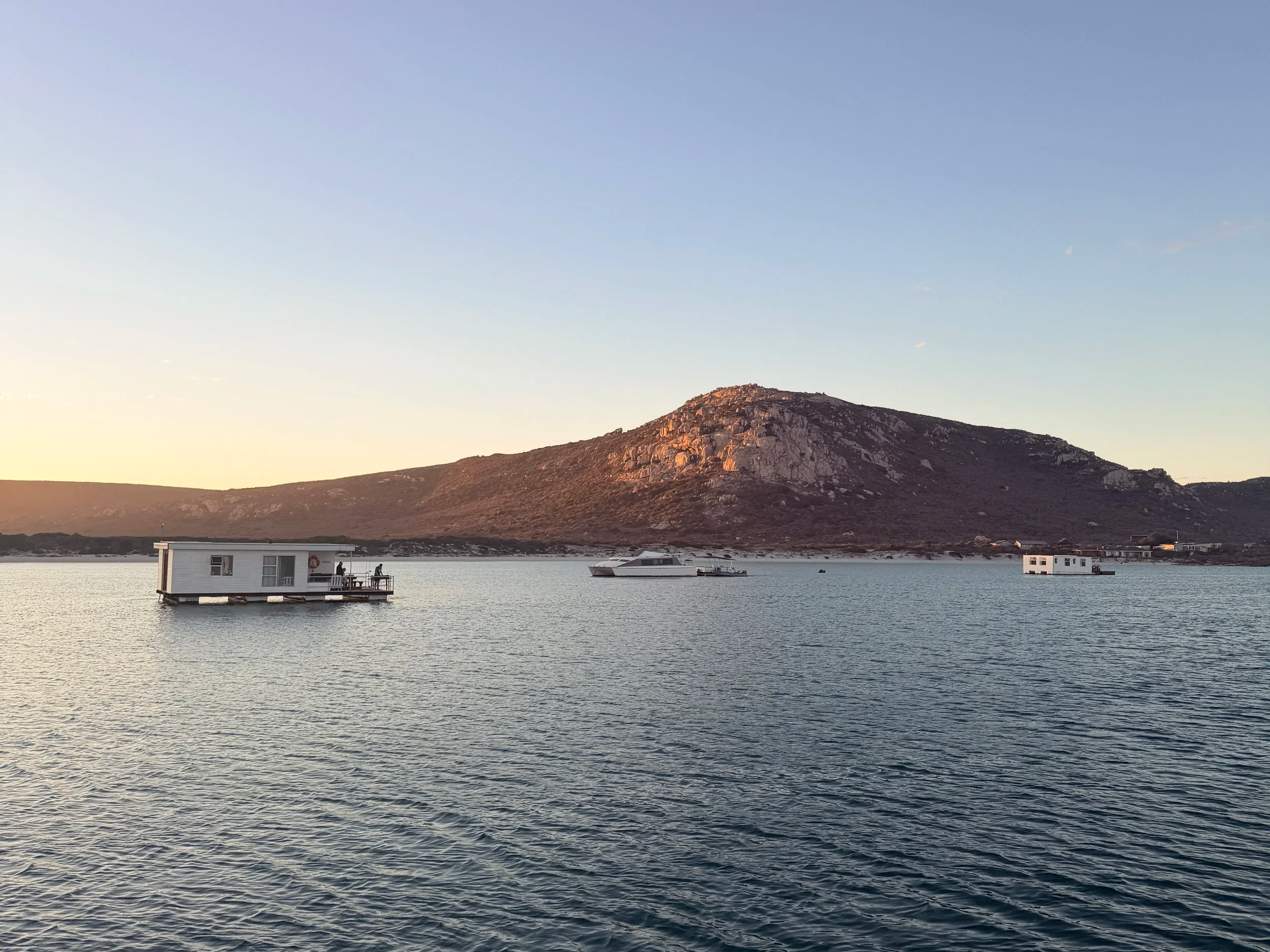
Kraal Bay, just up the West Coast, offers a completely different experience.
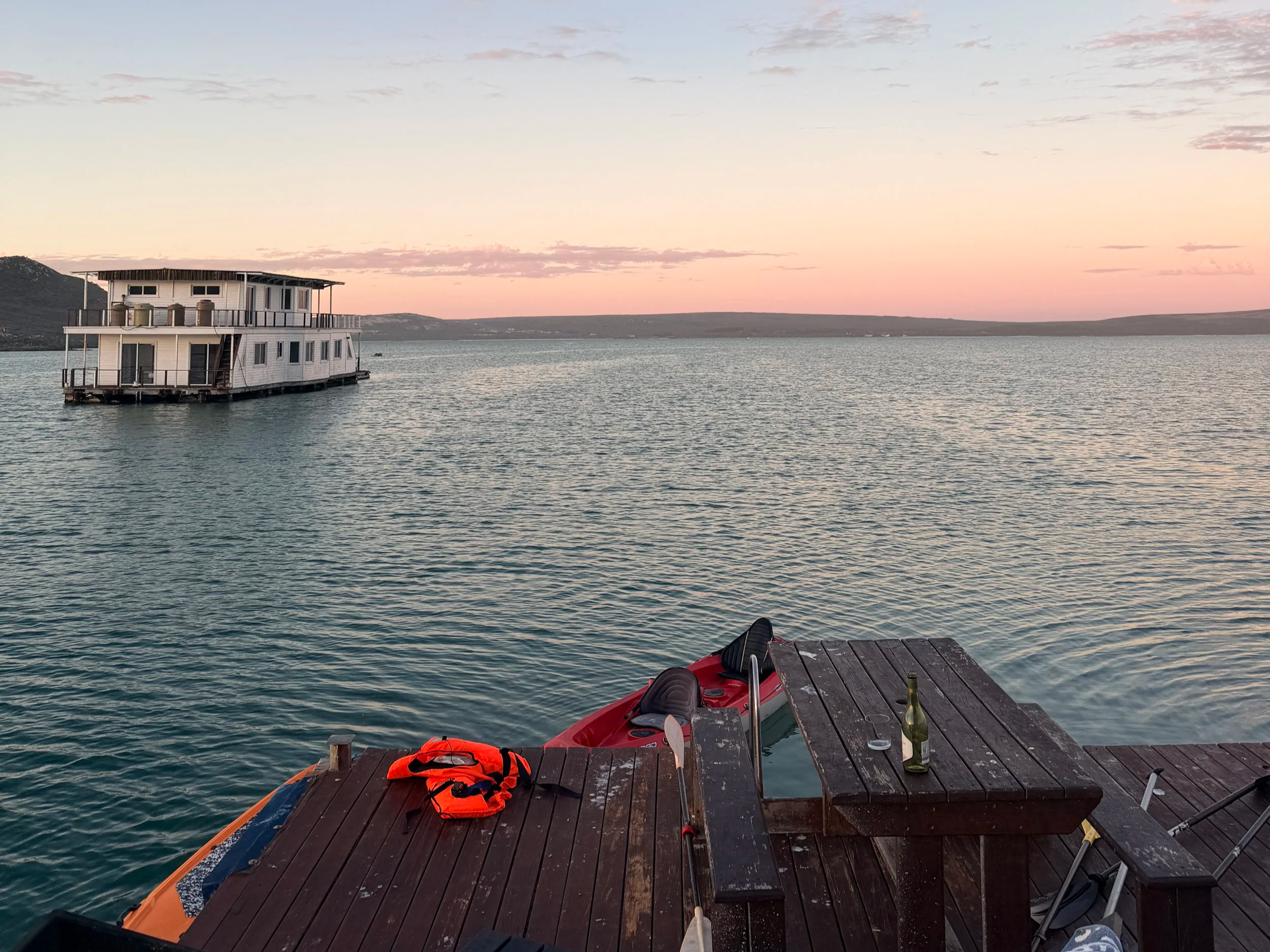
Set within a national park, the landscape is open and quiet. We stayed overnight in a simple boathouse, spent the morning paddleboarding, and ended the day watching the sun set over the water.
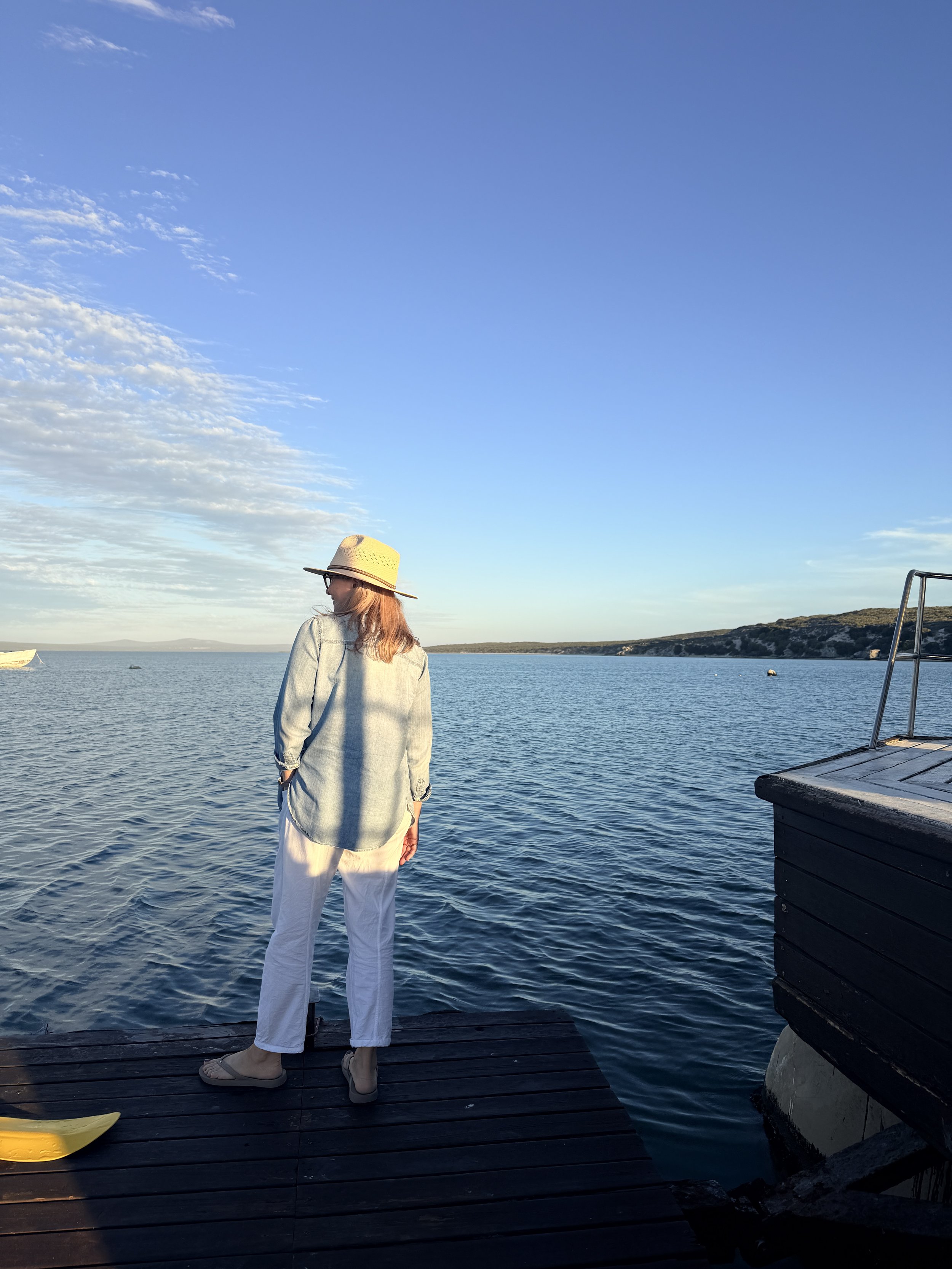
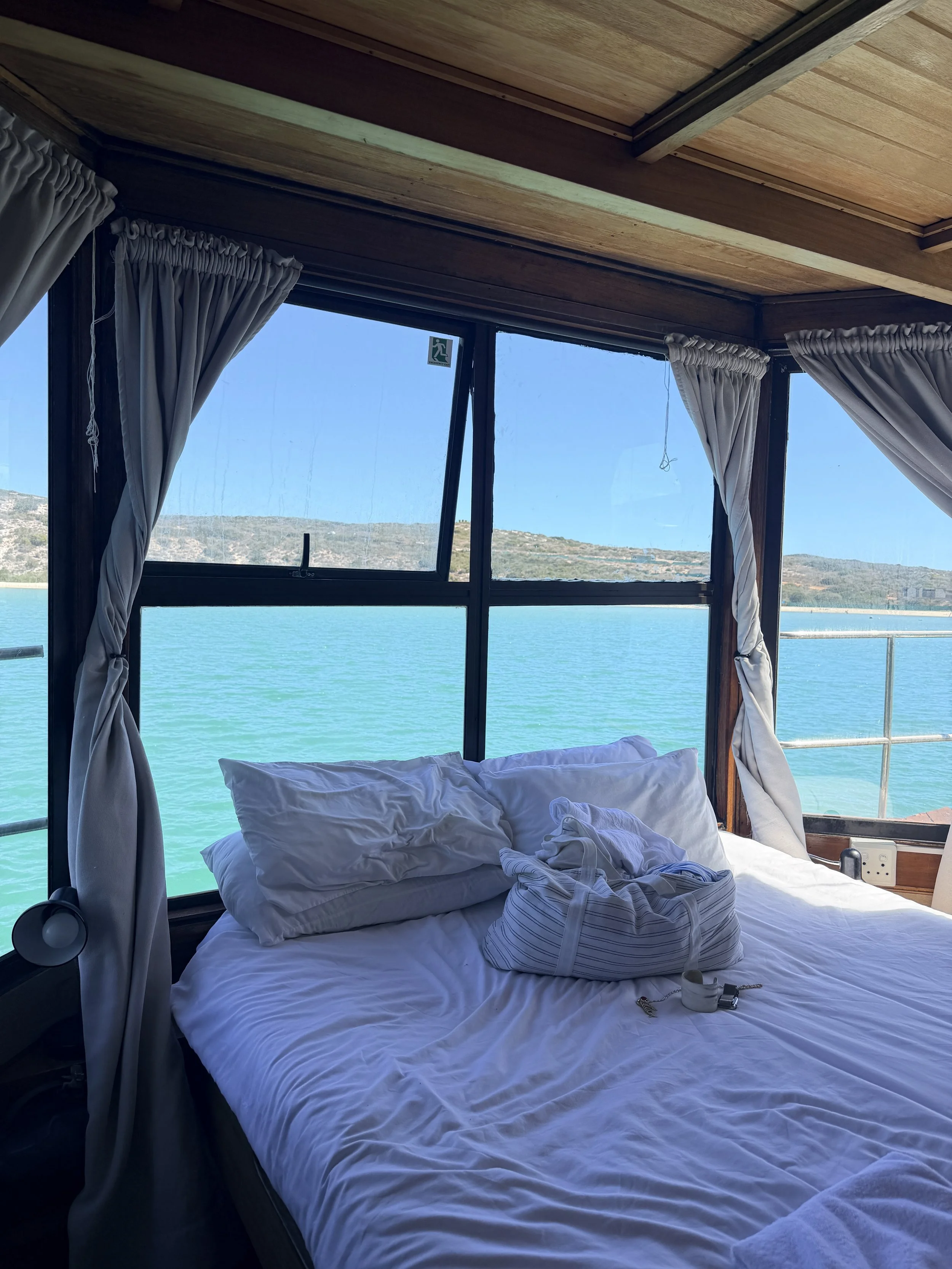

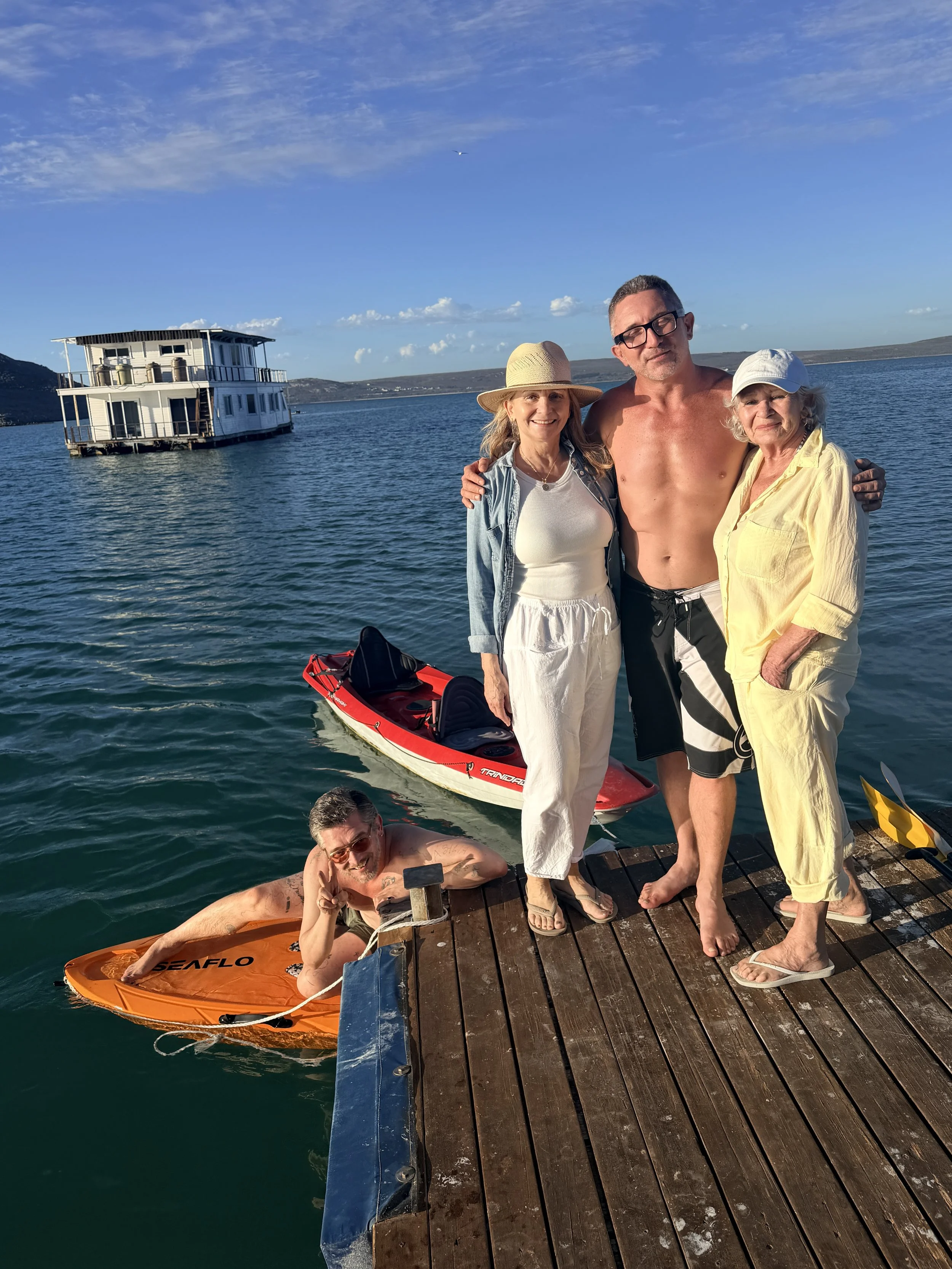
There is a clarity to a place like this. It strips everything back to what is essential.
5. Personal Spaces and Meaningful Moments
Some of the most memorable moments of the trip happened in private homes.
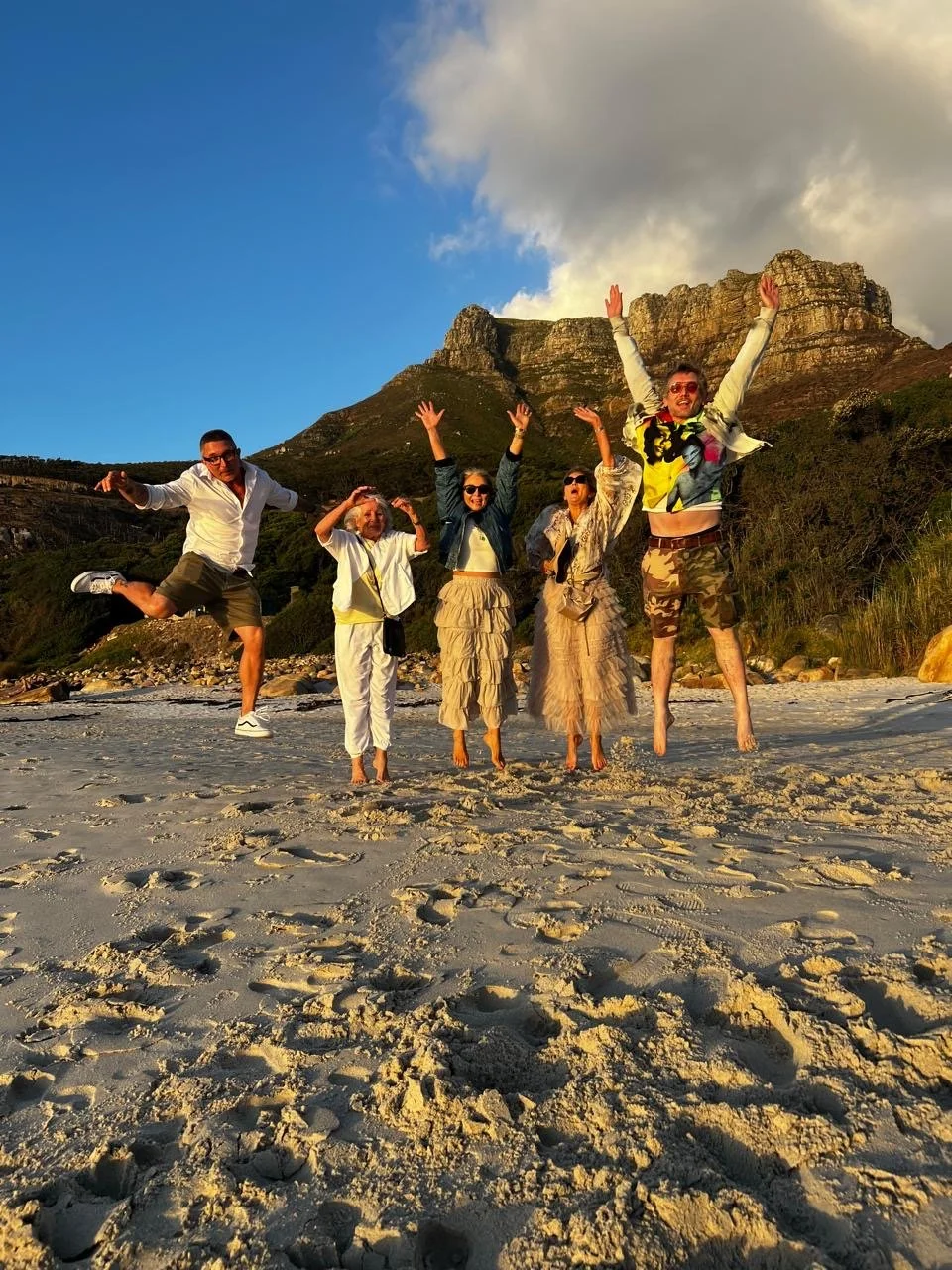
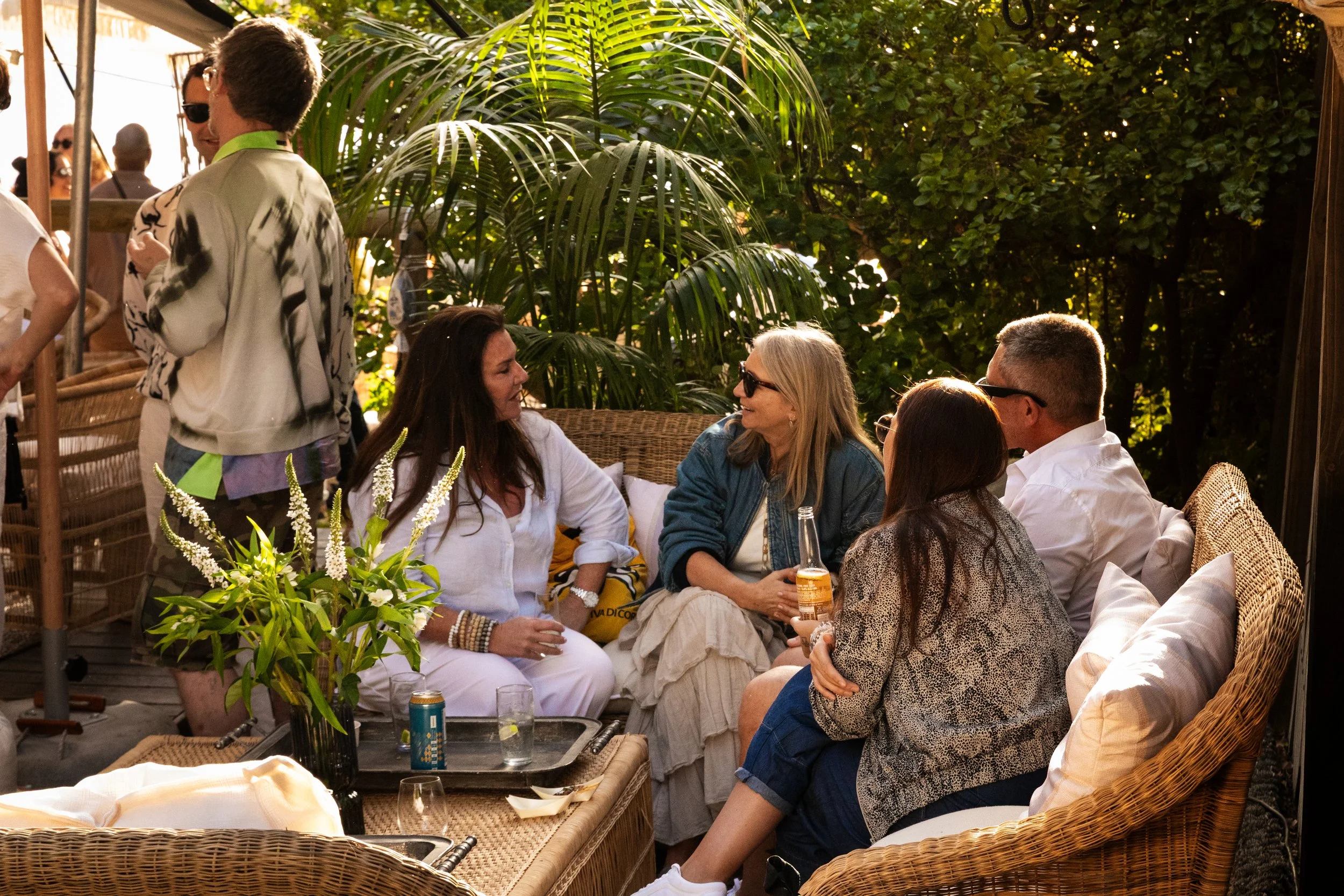
An afternoon spent at a friend’s home, time with my siblings, and a rare family reunion all offered a different kind of inspiration. These spaces were not styled or curated for an audience. They were personal, layered, and filled with meaning.
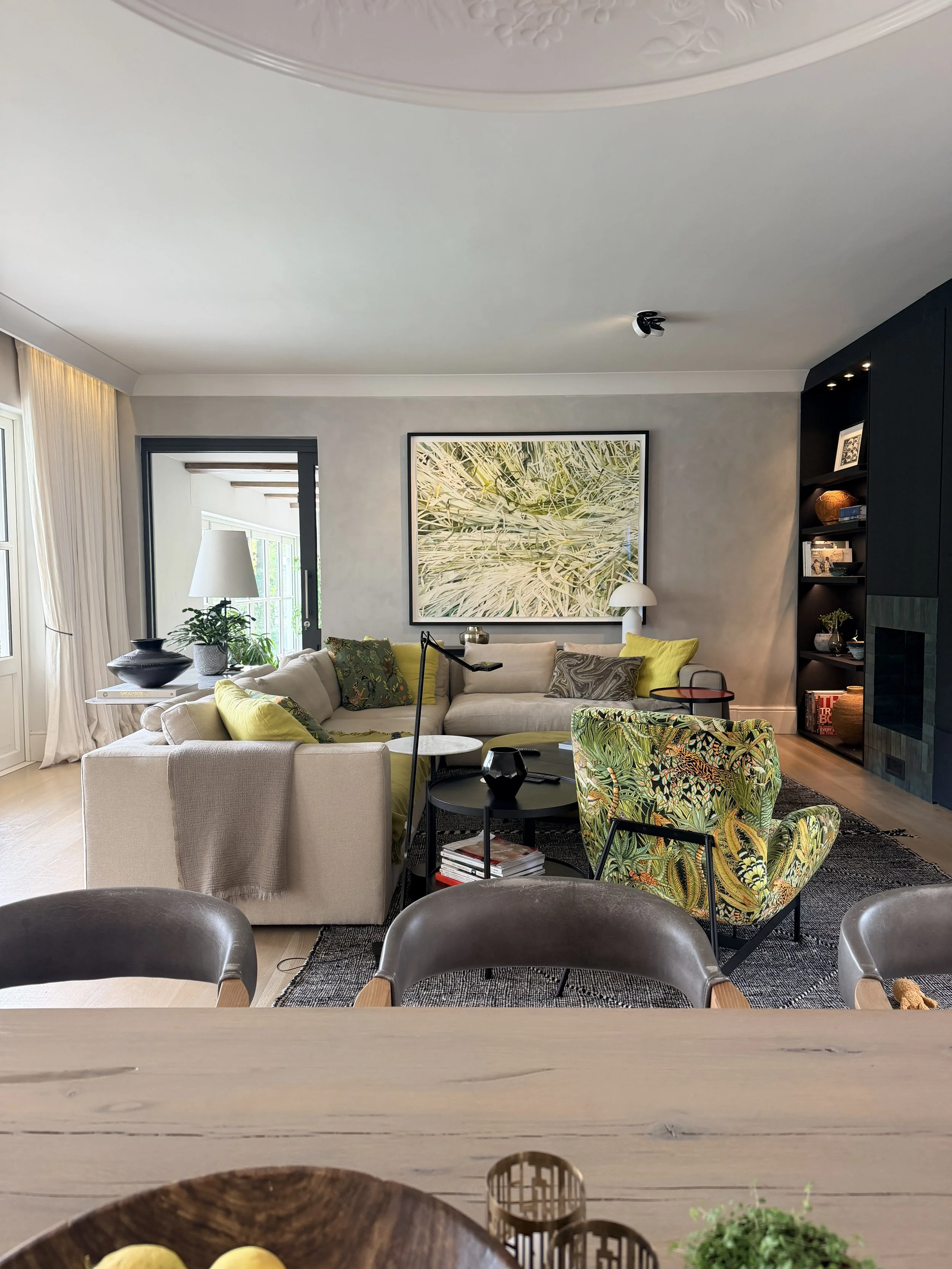
The most successful interiors are not defined by how they look, but by how they are lived in. This reinforced something I return to often in my work.
Travel continues to shape how I approach design. It builds a deeper understanding of how spaces feel, not just how they appear.
Cape Town remains one of the most influential places for me. Not only for its natural beauty, but for the way it brings together history, culture, and everyday life in a way that feels both effortless and enduring.
For those drawn to homes layered with color, pattern, and intentional design, we welcome projects that are ready to explore that kind of depth. Let’s connect!
Until next time,
Justine